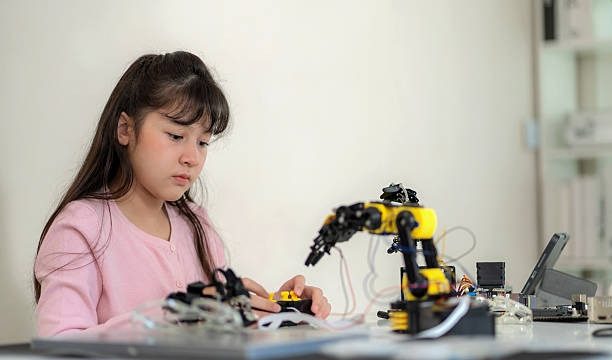
In our ever-evolving world, the role of engineering has become increasingly vital in crafting solutions that not only address our immediate needs but also enhance the quality of our lives.
From the bridges we cross to the smartphones we hold, engineering is woven into the fabric of our daily existence.
It is the art and science of problem-solving, and it continuously inspires us to think differently about how we interact with our environment.
The essence of engineering lies in its ability to innovate. As we face complex challenges such as climate change, urbanization, and resource scarcity, engineers are at the forefront of developing smarter solutions. These solutions are not merely about creating new technologies; they are about reimagining our relationship with the world around us. By embracing a holistic approach, engineers can create systems that are sustainable, efficient, and beneficial for both people and the planet.
A gentle shift toward sustainability is one of the most significant trends in engineering today. This shift is not just a response to environmental concerns; it is a recognition that our resources are finite and that we must use them wisely. Engineers are now designing with sustainability in mind, integrating renewable energy sources, recycling materials, and developing energy-efficient systems. For instance, the rise of green buildings showcases how engineering can harmonize human activity with nature. These structures utilize natural light, improve insulation, and harness renewable energy, creating spaces that are not only functional but also nurturing to the environment.
Another aspect of engineering’s impact is its role in enhancing connectivity. In our fast-paced world, staying connected is more important than ever. Engineers are crafting smarter communication systems that enable us to interact seamlessly, regardless of where we are. The development of 5G technology is a prime example of this endeavor. With faster speeds and lower latency, 5G is set to revolutionize how we experience the internet, allowing for innovations in telemedicine, remote work, and smart cities. These advancements foster a sense of community, bridging gaps between people and providing access to resources that were once out of reach.
As we explore the intersection of engineering and technology, we also find a profound commitment to improving our daily lives. Smart home devices, for example, are designed to enhance comfort and convenience. From smart thermostats that learn our preferences to automated lighting systems that adjust to our routines, these innovations reflect a deeper understanding of our needs. Engineering in this context is about creating environments that respond to us, making our lives more enjoyable and manageable.
Moreover, engineering is increasingly focusing on inclusivity. The recognition that technology should be accessible to everyone is reshaping how products are designed and implemented. Engineers are now prioritizing user experience, ensuring that solutions cater to diverse populations. This dedication to inclusivity fosters a sense of belonging and empowers individuals, allowing them to engage with technology in ways that enhance their lives.
The integration of engineering with health and wellness is another exciting frontier. As we strive for a healthier lifestyle, engineering plays a crucial role in developing tools and technologies that support our well-being. Wearable fitness trackers, for instance, help us monitor our physical activity and health metrics, encouraging us to make informed decisions about our bodies. This blend of engineering and wellness creates a pathway for individuals to take charge of their health in a proactive manner.
In the realm of transportation, engineering is redefining how we move. The emergence of electric vehicles and advancements in public transit solutions illustrate a commitment to reducing carbon footprints while enhancing mobility. Engineers are designing systems that promote efficiency and convenience, making it easier for us to navigate our cities without relying on fossil fuels. This shift not only benefits the environment but also encourages a more connected and vibrant urban landscape.
A thoughtful approach to engineering also emphasizes the importance of collaboration. The most successful solutions arise from diverse teams working together, bringing together various perspectives and expertise. This collaborative spirit fosters creativity and innovation, resulting in products and systems that are more robust and effective. As engineers engage with communities, stakeholders, and interdisciplinary teams, they gain insights that shape their designs, ensuring that the solutions they create truly meet the needs of the people they serve.
Looking ahead, the future of engineering is bright, filled with possibilities that inspire us to envision a better world. As we continue to face challenges, engineers will undoubtedly rise to the occasion, leveraging their skills and knowledge to create solutions that are smarter, more sustainable, and deeply human-centered. This journey toward a more harmonious existence is a testament to the power of engineering as a force for good, reminding us that through innovation and collaboration, we can build a future that enhances the quality of life for all.
In conclusion, engineering is not just about machines and structures; it is a way of thinking that shapes our lives profoundly. By focusing on sustainability, connectivity, inclusivity, and wellness, engineers are crafting solutions that resonate with our values and aspirations. As we embrace these advancements, we can look forward to a world where technology and humanity coexist in a balanced, enriching relationship. The next time you marvel at a new invention or enjoy the convenience of modern life, take a moment to appreciate the engineering that makes it all possible. It is a journey that continues to evolve, driven by a shared vision of a brighter future.