In our fast-paced world, the way we learn has evolved dramatically, influenced by technological advancements and changing societal needs.
Yet, amidst these shifts, one timeless skill remains crucial: creative thinking.
Embracing creative thinking can open new pathways for better learning experiences, allowing us to engage with information in fresh and meaningful ways.
When we think of creativity, we often picture artists or inventors, but creativity is not confined to the realm of the arts. It’s a vital tool that can enhance our ability to absorb and apply knowledge across all disciplines. Imagine a classroom where students are encouraged to explore different perspectives, where the process of learning feels more like an adventure rather than a chore. This is the essence of creative thinking in education.
A gentle shift in perspective can have a profound impact on how we approach learning. Instead of viewing challenges as obstacles, we can see them as opportunities for innovation. For example, when faced with a complex problem, we might brainstorm several solutions, allowing our imaginations to roam free. This practice not only fosters a deeper understanding of the material but also encourages resilience and adaptability—qualities that are invaluable in today’s ever-changing environment.
Engaging in creative thinking involves cultivating a mindset that welcomes curiosity and exploration. It encourages us to ask questions, to seek out new experiences, and to connect seemingly unrelated ideas. This interconnectedness is where true learning happens. When we allow ourselves to wander through different concepts and disciplines, we begin to discover patterns and insights that enrich our understanding.
One way to nurture this mindset is through storytelling. Stories have a unique power to captivate our attention and make complex ideas more relatable. By incorporating narratives into our learning, we can transform dry facts into engaging tales. Whether it’s through reading literature, sharing personal experiences, or even creating our own stories, this approach can make the learning process more enjoyable and memorable.
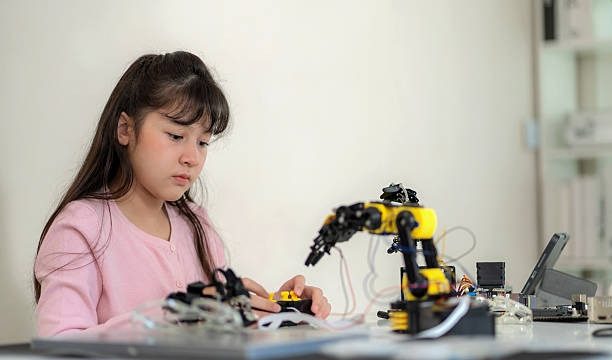
Additionally, incorporating play into our learning routines can spark creativity. Play is not just for children; it’s a powerful tool for people of all ages. When we approach learning with a playful spirit, we free ourselves from the fear of making mistakes. This freedom encourages experimentation and exploration. For instance, consider a science lesson that involves hands-on experiments or a history class that invites students to reenact historical events. Such playful engagement can deepen understanding and retention of information.
Collaboration also plays a significant role in enhancing creative thinking. When we work with others, we are exposed to diverse viewpoints and ideas. This exchange can lead to innovative solutions that we might not have considered on our own. Group discussions, brainstorming sessions, and collaborative projects can foster a sense of community and shared purpose, which can be incredibly motivating. Together, we can inspire each other to think outside the box and approach problems from different angles.
In our quest for better learning, it’s also essential to create an environment that encourages creativity. A space that feels safe and welcoming allows individuals to express their thoughts without fear of judgment. This can be achieved by promoting open dialogue, providing constructive feedback, and celebrating the unique contributions of each individual. When people feel valued and heard, they are more likely to engage deeply with the learning process.
Incorporating mindfulness into our learning routines can also enhance our ability to think creatively. Mindfulness encourages us to be present in the moment, to observe our thoughts and feelings without judgment. This practice can help clear mental clutter, allowing us to focus on the task at hand. By taking a few moments to breathe and center ourselves, we can approach learning with a fresh perspective, ready to explore new ideas and concepts.
As we navigate the complexities of our modern world, it’s important to remember that learning is not a destination but a lifelong journey. Creative thinking encourages us to embrace this journey with an open heart and a curious mind. It invites us to view challenges as stepping stones rather than barriers, fostering a sense of wonder and discovery along the way.
Incorporating creative thinking into our learning can lead to richer experiences and deeper understanding. Whether through storytelling, play, collaboration, or mindfulness, there are countless ways to infuse creativity into our educational pursuits. By nurturing this skill, we not only enhance our own learning but also inspire those around us to do the same.
Ultimately, the goal is to create a culture of learning that values creativity and innovation. As we encourage ourselves and others to think outside the box, we pave the way for a more engaging and fulfilling educational experience. By embracing creative thinking, we can transform the way we learn, making it a joyful and enriching journey that lasts a lifetime. Let’s embark on this adventure together, celebrating the beauty of curiosity and the power of imagination in our quest for knowledge.