In today’s diverse educational landscape, fostering collaboration among students has become more essential than ever.
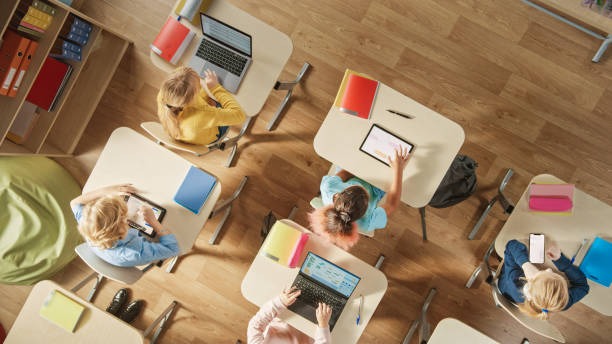
The classroom is not just a space for individual learning; it can be a vibrant community where students come together to share ideas, solve problems, and grow both academically and socially.
Collaborative classroom strategies can create an inclusive environment that nurtures teamwork, enhances communication skills, and ultimately leads to a deeper understanding of the material.
Let’s explore some gentle yet effective strategies that can help bring students together in a meaningful way.
A small shift toward balance
Creating a collaborative classroom begins with a subtle shift in mindset. Instead of viewing education as a solo journey, teachers can encourage students to see their peers as allies in the learning process. This can be achieved by incorporating group projects that require collaboration. When students work together, they learn to appreciate diverse perspectives and develop a sense of belonging. It’s important to design these projects thoughtfully, ensuring that each student has a role that plays to their strengths while also challenging them to grow.
Another important aspect of fostering collaboration is creating a safe space where students feel comfortable sharing their thoughts and ideas. Establishing classroom norms that promote respect and active listening can help cultivate an atmosphere of trust. When students feel secure, they are more likely to engage in open discussions and contribute to group activities. This sense of safety allows for richer conversations and deeper connections among students.
The power of peer learning
Peer learning is a powerful strategy that encourages students to collaborate and support one another. When students teach each other, they not only reinforce their own understanding but also build valuable communication skills. Teachers can facilitate this by pairing students with different strengths, allowing them to learn from one another. For instance, a student who excels in mathematics can partner with someone who struggles, creating a mutually beneficial relationship.
To enhance peer learning, consider incorporating activities such as “think-pair-share.” In this format, students first think about a question or topic individually, then discuss their thoughts with a partner before sharing with the larger group. This approach not only encourages collaboration but also empowers students to articulate their ideas, fostering a deeper engagement with the material.
The role of technology in collaboration
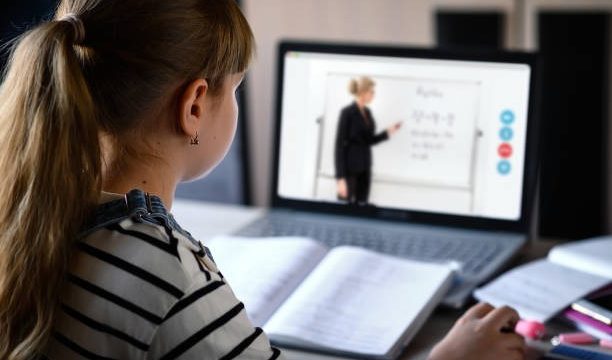
In our digital age, technology can play a vital role in enhancing collaborative learning experiences. Tools like shared documents, online discussion boards, and educational apps can facilitate teamwork, even outside the classroom. By integrating technology into collaborative projects, teachers can help students develop digital literacy while allowing them to connect and collaborate seamlessly.
For example, using platforms like Google Docs allows students to work on a project simultaneously, regardless of their physical location. This not only teaches them how to collaborate in a digital environment but also prepares them for future workplaces that often rely on remote teamwork.
Creating a community of learners
Another gentle strategy to foster collaboration is to build a community of learners within the classroom. This can be achieved through team-building activities that promote trust, respect, and camaraderie. Simple icebreakers or group challenges can help students bond and learn more about each other, creating a supportive network that enhances their collaborative efforts.
Additionally, incorporating service-learning projects can deepen these connections. When students work together on a project that benefits their community, they develop a sense of shared purpose. This not only strengthens their collaboration skills but also fosters empathy and a commitment to contributing positively to society.
Celebrating diversity
In a collaborative classroom, diversity is an asset that should be embraced. Students come from various backgrounds, each bringing unique perspectives and experiences. Encouraging students to share their cultural backgrounds and personal stories can enhance collaboration by fostering mutual respect and understanding.
By incorporating diverse materials and perspectives into lessons, teachers can create a richer learning environment. Group discussions that embrace different viewpoints can lead to more innovative solutions and a deeper appreciation for the complexity of issues. Celebrating diversity helps students learn to collaborate with others who may think differently, preparing them for a world that thrives on diversity and inclusion.
The importance of reflection
Reflection is a key component of collaborative learning. After group activities or projects, providing time for students to reflect on their experiences can enhance their understanding of collaboration dynamics. This can be done through guided discussions or reflective writing exercises where students consider what worked well, what challenges they faced, and how they can improve in future collaborations.
Encouraging students to express their feelings about teamwork can also help them develop emotional intelligence. They learn to navigate conflicts, appreciate each other’s contributions, and recognize the importance of compromise. These skills are invaluable, not just in the classroom but throughout their lives.
A journey worth taking
The journey toward creating a collaborative classroom is one filled with opportunities for growth, connection, and understanding. By implementing strategies that focus on teamwork, peer learning, and community building, educators can create an environment where students thrive together.
As students learn to collaborate, they develop essential skills that will serve them well in their academic pursuits and beyond. The ability to work well with others, communicate effectively, and approach problems from multiple angles is invaluable in today’s interconnected world.
Ultimately, fostering collaboration in the classroom is about more than just achieving academic success; it’s about nurturing well-rounded individuals who are prepared to engage with the world around them. By investing in collaborative strategies, we take a step toward creating a more inclusive, empathetic, and engaged future for all students. In this journey, both teachers and students can discover the beauty of learning together, celebrating each other’s strengths and growing in harmony.