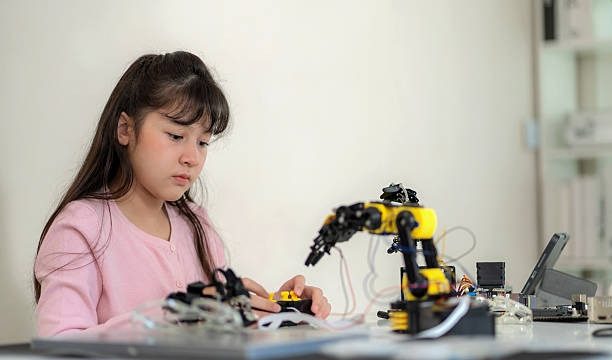
In today’s fast-paced world, technology is woven into the fabric of our daily lives.
From the smartphones in our pockets to the smart devices that make our homes more comfortable, technological advancements have transformed how we communicate, learn, and grow.
In the realm of education, this shift has opened new doors for formative assessment, allowing educators to gather insights into student learning in ways that were once unimaginable.
By harnessing the power of technology, teachers can create a more interactive and responsive learning environment, ultimately enhancing the educational experience for both students and educators.
The beauty of formative assessment lies in its ability to provide continuous feedback. Unlike traditional assessments that often serve as a final measure of understanding, formative assessments are ongoing and designed to inform instruction. This continuous feedback loop is where technology can truly shine. With an array of digital tools at their disposal, educators can collect real-time data on student performance, allowing them to adjust their teaching strategies to meet individual needs.
One of the most appealing aspects of using technology in formative assessment is the increased engagement it fosters among students. Interactive platforms and applications can turn what might feel like a mundane assessment into an exciting learning opportunity. For instance, online quizzes and interactive polls can provide instant feedback, making the learning process feel more dynamic. Students often find themselves more invested when they can see their progress in real time, transforming assessment from a chore into a collaborative journey.
Additionally, technology allows for diverse assessment methods that cater to different learning styles. Visual learners might thrive with video-based assessments, while auditory learners might benefit from podcasts or discussions. By integrating various digital tools, educators can create a rich tapestry of assessment options that resonate with all students. This variety not only supports individual learning preferences but also encourages students to take ownership of their learning journey.
A small shift toward balance can also be found in the way technology enables personalized learning experiences. Adaptive learning technologies can analyze a student’s performance and adjust content accordingly, providing tailored challenges that push each learner just enough to keep them engaged without overwhelming them. This personalized approach allows educators to meet students where they are, ultimately fostering a more inclusive classroom environment.
Moreover, the data collected through technology can illuminate trends and patterns that may not be apparent through traditional assessment methods. Educators can analyze student performance over time, identifying strengths and areas for improvement not just on an individual level but across the entire classroom. This insight can inform instructional decisions, helping teachers to refine their methods and better support their students’ growth.
However, while the benefits of technology in formative assessment are clear, it is important to approach its implementation thoughtfully. Educators should consider the needs and contexts of their students, ensuring that the technology enhances rather than detracts from the learning experience. Striking this balance can be a delicate dance, but when done well, it can lead to profound improvements in student engagement and understanding.
As we navigate this digital landscape, it’s also essential to cultivate a sense of community around formative assessment. Technology can facilitate collaboration not just among students but also between educators. Online platforms allow teachers to share resources, strategies, and insights, fostering a culture of continuous improvement. This communal approach can lead to richer discussions about assessment practices and ultimately benefit students across the board.
Incorporating technology into formative assessment also empowers students to reflect on their learning. Many digital tools offer analytics that students can access, allowing them to track their progress and set personal goals. This self-reflection can be a powerful motivator, encouraging students to take a proactive role in their education. When students feel empowered to assess their own learning, they become more invested in their educational journey.
Another aspect worth considering is the accessibility that technology can provide. For students with diverse needs, digital tools can offer alternative ways to demonstrate understanding. Whether through speech-to-text software, interactive simulations, or accessible online resources, technology can break down barriers and create an equitable assessment landscape. This inclusivity not only benefits individual learners but enriches the classroom as a whole.
As we look ahead, the future of formative assessment seems bright, with technology serving as a guiding light. By embracing innovative tools and approaches, educators can create a more responsive, engaging, and personalized learning environment. The key lies in finding harmony between traditional practices and modern advancements, ensuring that technology enhances the educational experience rather than overshadowing it.
Ultimately, the goal of formative assessment remains the same: to support student learning and growth. By leveraging technology thoughtfully, educators can foster a nurturing environment where students feel valued and empowered. This journey is not just about data and metrics; it’s about cultivating curiosity, collaboration, and a love for learning that lasts a lifetime. As we continue to explore the intersection of technology and education, let us remember the heart of formative assessment: a commitment to understanding and nurturing each student’s unique potential.