Teaching is a journey, one that requires creativity, patience, and a deep understanding of how students learn.
As educators navigate this path, the right materials can make all the difference in crafting lesson plans that resonate with students.
In this exploration of teacher materials, we’ll delve into some resources that not only enrich lesson plans but also create an engaging and supportive learning environment.
A gentle approach to understanding student needs
Understanding the diverse needs of students is foundational to effective teaching. Materials that promote inclusivity and cater to different learning styles foster an atmosphere where every student can thrive. Consider incorporating visual aids, such as charts and diagrams, which can help visual learners grasp complex concepts more easily. For auditory learners, podcasts or recorded lectures can provide an alternative way to engage with the material. And for kinesthetic learners, hands-on activities or experiments can transform abstract ideas into tangible experiences.
In addition to these tools, it’s essential to have resources that encourage social interaction. Group activities and cooperative learning materials can help students develop communication skills while fostering a sense of community within the classroom. When students work together, they can learn from each other, share diverse perspectives, and build lasting relationships. This social dimension of learning is often just as important as the academic content itself.
Creating a sanctuary for exploration
A well-organized classroom filled with engaging materials can become a sanctuary for exploration. Think about the layout and the resources available. Incorporating a reading corner stocked with a variety of books can invite students to dive into new worlds and ideas. It’s important to include texts that reflect various cultures and experiences, allowing students to see themselves in the stories they read.
Another way to create an inviting space is through the use of educational games and interactive materials. These can transform learning into a playful experience. Games can reinforce concepts in a fun way, making it easier for students to absorb information. Whether it’s a math game that encourages teamwork or a science-related puzzle, these materials can spark curiosity and motivate students to engage with the content.
A small shift toward balance
As educators, it’s easy to become overwhelmed by the demands of lesson planning and the plethora of materials available. A small shift toward balance can make a significant difference in how we approach teaching. This involves selecting materials that not only align with curriculum goals but also resonate with our teaching philosophy.
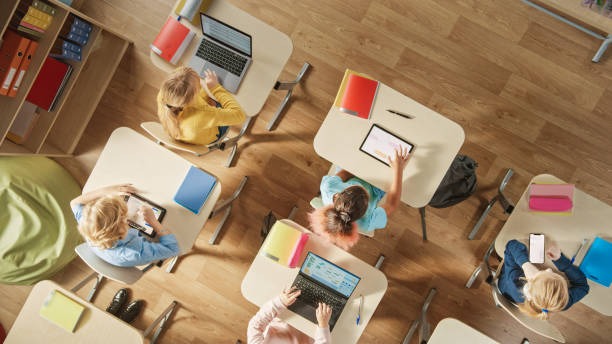
Consider incorporating technology thoughtfully. Digital resources can enhance lesson plans by providing access to a wealth of information and interactive tools. Educational apps and online platforms can offer personalized learning experiences, allowing students to progress at their own pace. However, it’s important to strike a balance between screen time and traditional learning methods. A harmonious blend of both can create a rich educational environment.
The power of reflection and feedback
An often-overlooked aspect of teaching is the importance of reflection and feedback. Utilizing materials that facilitate self-assessment and peer feedback can empower students to take ownership of their learning. Journals, reflection prompts, and peer review checklists can encourage students to think critically about their work and the work of their classmates.
Moreover, providing students with opportunities to express their thoughts on the materials used in class can lead to meaningful conversations about what works and what doesn’t. This not only informs future lesson planning but also fosters a collaborative spirit where students feel valued and heard. When students see their input shaping the learning experience, their engagement and motivation can soar.
Nurturing creativity and innovation
Creativity is a vital component of learning, and the right materials can nurture this in students. Art supplies, musical instruments, and technology tools can encourage students to express themselves in unique ways. Projects that integrate different subjects—such as combining art with history or science with music—can inspire innovation and critical thinking.
Encouraging students to pursue their interests within the framework of the curriculum can yield remarkable results. For instance, allowing students to choose a project topic related to their passions can lead to deeper engagement and a sense of ownership over their learning. When students feel free to explore their creativity, they are more likely to develop a lifelong love of learning.
Building a community of support
Finally, it’s essential to remember that teaching is not a solitary endeavor. Building a community of support among colleagues can enhance lesson planning and resource sharing. Collaborating with fellow educators allows for the exchange of ideas, materials, and strategies that can benefit everyone involved. Consider hosting informal meetups to discuss challenges and successes or creating a shared digital space for resources.
Engaging with parents and caregivers can also strengthen the educational community. Involving them in the learning process by sharing resources or inviting them to participate in classroom activities can create a sense of partnership. When families are invested in their children’s education, it can lead to a more supportive and enriched learning environment.
As we navigate the world of teaching, the materials we choose can profoundly impact our lesson plans and our students’ experiences. By selecting resources that foster inclusivity, creativity, and collaboration, we can create a nurturing environment that encourages exploration and growth. In this shared journey, every small step toward enhancing lesson plans can lead to significant strides in student engagement and success. Ultimately, the goal is to inspire a love for learning that lasts a lifetime.