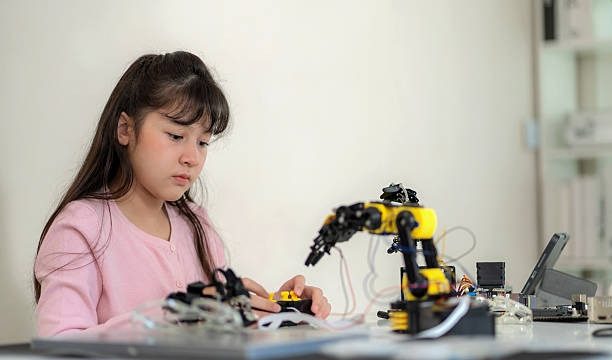
In a world that often feels fast-paced and demanding, nurturing our problem-solving skills can be a gentle yet powerful way to foster resilience and creativity in our lives.
One approach that has gained traction in educational settings is project-based teaching.
This method invites learners to engage deeply with real-world challenges, encouraging not only academic growth but also essential life skills.
By embracing this approach, we can cultivate a mindset that thrives on curiosity, collaboration, and the joy of discovery.
The essence of project-based teaching lies in its ability to transform traditional learning into a dynamic experience. Instead of passively absorbing information, students become active participants in their education. They explore topics that ignite their interests and tackle problems that resonate with their lives. This approach not only makes learning more relevant but also instills a sense of purpose. When learners see the impact of their work, it fosters a deeper connection to their education and encourages them to think critically about the world around them.
At its core, project-based teaching is about encouraging exploration and inquiry. When students are presented with open-ended questions or real-world problems, they are naturally inclined to seek solutions. This process often involves research, experimentation, and collaboration with peers, all of which are vital components of effective problem-solving. As students navigate through challenges, they learn to analyze situations, weigh options, and make informed decisions. These skills extend beyond the classroom, preparing them for the complexities of life.
Creating an environment conducive to project-based learning is essential. Educators play a pivotal role in this process by fostering a supportive atmosphere where questions are welcomed, and creativity is encouraged. By providing resources and guidance, teachers can empower students to take ownership of their learning journey. This shift not only enhances engagement but also builds confidence. When students realize that they have the ability to tackle challenges head-on, it can lead to a profound transformation in their self-perception.
One of the most beautiful aspects of project-based teaching is its collaborative nature. Working together on projects helps students develop interpersonal skills, such as communication, teamwork, and empathy. These are not just academic skills; they are life skills that serve individuals well beyond their school years. In a world that increasingly values collaboration, fostering these abilities is crucial. Students learn to appreciate diverse perspectives and understand that collective efforts often lead to more innovative solutions.
As learners engage in project-based activities, they also experience the importance of perseverance. Challenges may arise, and not every attempt will yield success. However, learning to embrace failures as opportunities for growth is a lesson that can last a lifetime. This resilience is a key component of effective problem-solving. Students discover that each setback can lead to new insights and that persistence in the face of difficulty is a valuable trait.
Incorporating project-based teaching into various subjects can also enhance interdisciplinary learning. For instance, a project about environmental sustainability can seamlessly blend science, mathematics, and social studies. This interconnected approach not only enriches the learning experience but also mirrors the complexity of real-world issues. Students begin to see the relevance of their studies in a broader context, leading to a more holistic understanding of the world.
Another significant benefit of project-based teaching is its adaptability to different learning styles. Every student is unique, with distinct strengths and preferences. Some may thrive in hands-on activities, while others may excel in research or creative expression. By offering a variety of ways to engage with a project, educators can cater to diverse learning needs. This inclusivity fosters a sense of belonging and encourages all students to contribute their unique talents.
As we consider the impact of project-based teaching, it’s important to recognize the role of reflection in the learning process. After completing a project, students should be encouraged to reflect on their experiences. What challenges did they face? What strategies worked well? What would they do differently next time? This reflective practice not only reinforces learning but also cultivates self-awareness. Students begin to understand their own problem-solving processes and develop a personal toolkit for tackling future challenges.
Incorporating project-based teaching into our educational systems is not merely a trend; it’s a profound shift in how we view learning. By encouraging students to explore, collaborate, and reflect, we are equipping them with the skills necessary to navigate an increasingly complex world. This approach nurtures a generation of thinkers who are not only capable of solving problems but are also inspired to create positive change.
As we move forward, it’s essential to support educators in implementing project-based teaching. Professional development opportunities, resources, and community partnerships can enhance their ability to facilitate meaningful projects. By investing in our educators, we invest in the future of our students. Together, we can create a landscape where curiosity and creativity flourish, allowing learners to thrive both academically and personally.
In a society that often prioritizes standardized testing and rote memorization, project-based teaching offers a refreshing alternative. It invites us to embrace the beauty of inquiry and the joy of discovery. By encouraging problem-solving through this dynamic approach, we not only enrich the educational experience but also empower individuals to face life’s challenges with confidence and resilience. As we celebrate the journey of learning, let’s continue to nurture a culture that values creativity, collaboration, and the endless possibilities that arise from a curious mind.