In today’s fast-paced and interconnected world, the ability to collaborate effectively is more important than ever.
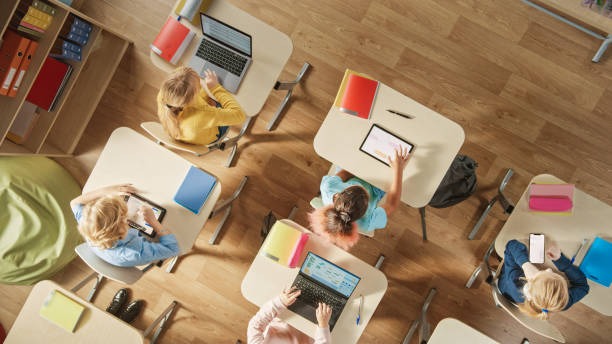
The classroom serves as a natural environment for cultivating this essential skill, and classroom projects can be a wonderful avenue for students to learn the art of collaboration.
By engaging in group activities, students not only enhance their academic knowledge but also develop interpersonal skills that will benefit them throughout their lives.
Creating a collaborative spirit in the classroom begins with the right mindset. Teachers can foster an atmosphere of openness and trust, where students feel comfortable expressing their ideas and opinions. This environment encourages students to listen to one another, appreciate different perspectives, and find common ground. When students understand that collaboration is about working together toward a shared goal, they become more motivated to contribute and support their peers.
One effective approach to teaching collaboration through classroom projects is to allow students to choose their topics. When students have a say in what they are working on, they are more likely to feel invested in the project. This ownership fosters a sense of responsibility, encouraging them to engage actively with their teammates. The freedom to explore subjects that resonate with them can lead to more meaningful discussions and creative solutions, as students draw from their unique backgrounds and interests.
As students embark on their projects, it’s important for them to establish roles within their groups. Assigning specific responsibilities can help to clarify expectations and ensure that everyone has a part to play. However, it’s equally important to emphasize that roles should remain fluid. Encouraging students to rotate responsibilities allows them to experience different aspects of the project and develop a broader skill set. This flexibility promotes adaptability, a crucial quality in any collaborative endeavor.
Communication is the lifeblood of collaboration. Teachers can guide students in developing effective communication strategies, such as active listening and constructive feedback. Engaging in regular check-ins throughout the project can help students stay connected and address any challenges that arise. These moments can be a space for reflection, allowing students to discuss what’s working well and what might need adjustment. By practicing open dialogue, they learn to navigate conflicts and find solutions together, reinforcing their collaborative spirit.
A small shift toward balance can also enhance the collaborative experience. While it’s essential to encourage teamwork, it’s equally important for students to have time for individual reflection. Providing moments for students to think independently about the project can lead to richer contributions during group discussions. This balance between collaboration and individuality allows for deeper engagement, as students can bring their unique insights to the table.
As projects progress, celebrating milestones can be a powerful way to reinforce collaboration. Acknowledging the group’s achievements, no matter how small, fosters a sense of community and shared purpose. Whether it’s a simple shout-out during class or a more formal recognition, celebrating progress can motivate students to continue working together harmoniously. This sense of accomplishment not only boosts their morale but also strengthens their commitment to the project and to one another.
Additionally, incorporating peer assessments can be an invaluable tool in teaching collaboration. By allowing students to evaluate each other’s contributions, they learn to appreciate the diverse strengths within their group. This practice also encourages self-reflection, as students consider their own roles and the impact of their actions on the team. Providing a structured framework for peer feedback can help students articulate their thoughts constructively, further enhancing their communication skills.
As the project wraps up, it’s essential to create space for reflection on the collaborative process itself. Engaging students in a discussion about what they learned from working together can deepen their understanding of collaboration. They can explore questions such as: What went well? What challenges did we face? How did we resolve conflicts? By reflecting on their experiences, students can gain insights that will serve them in future collaborative endeavors.
Classroom projects also present an opportunity for students to connect with the wider community. Inviting guest speakers or collaborating with local organizations can enrich the project experience and provide real-world context. These interactions not only broaden students’ perspectives but also emphasize the importance of collaboration beyond the classroom. Engaging with others outside their immediate environment reinforces the idea that teamwork is a vital skill applicable in various settings.
As educators, it’s important to remember that the journey toward learning collaboration is ongoing. Each project serves as a stepping stone for students to refine their skills and grow as individuals and team members. Encouraging a growth mindset can help students embrace challenges and view setbacks as learning opportunities. This approach fosters resilience, an essential quality in both collaborative settings and life in general.
In conclusion, classroom projects offer a rich tapestry of opportunities for teaching collaboration. By creating an inclusive environment, guiding effective communication, and celebrating successes, educators can nurture a collaborative spirit that extends beyond the classroom walls. As students learn to work together, they not only achieve academic goals but also cultivate relationships and skills that will serve them throughout their lives. Embracing collaboration as a vital component of education equips students with the tools they need to navigate an increasingly interconnected world. Through these experiences, they can grow into compassionate collaborators, ready to make a positive impact in their communities and beyond.