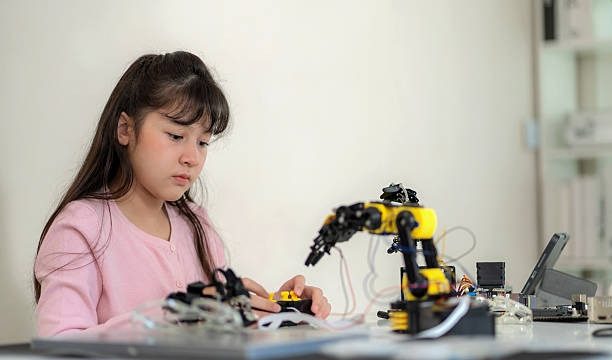
Creating Projects That Motivate and Inspire Students
In today’s educational landscape, the quest to keep students engaged and motivated is more vital than ever.
The traditional methods of teaching often fall short in capturing the vibrant energy and curiosity that young minds possess.
With a little creativity and thoughtful planning, educators can design projects that not only inspire students but also ignite a passion for learning that lasts a lifetime.
A gentle shift in perspective can transform how we view educational projects. Instead of seeing them as tasks to complete, we can frame them as opportunities for exploration and expression. This approach encourages students to take ownership of their learning, fostering a deeper connection with the material and a sense of pride in their achievements.
One effective way to cultivate this sense of ownership is by allowing students to choose their project topics. When students have a say in what they study, their interest levels often soar. Imagine a classroom where a student can explore the environmental impacts of plastic waste or delve into the history of their favorite video game. By connecting projects to their passions, students are more likely to engage deeply and produce work that reflects their creativity and individuality.
Collaboration can also breathe new life into projects. Group work encourages students to share ideas, brainstorm solutions, and learn from one another. It mirrors the real-world scenarios they will encounter later in life, where teamwork is essential. Educators can facilitate this by creating a classroom culture that values diverse perspectives and encourages open communication. When students collaborate, they not only learn from each other but also develop important interpersonal skills that will serve them well beyond the classroom walls.
In addition to collaboration, integrating technology can enhance the learning experience. Today’s students are digital natives, and incorporating tools like video editing software, design applications, or even simple presentation platforms can make projects more engaging. A project that allows students to create a video documentary or a digital art piece can be far more captivating than a traditional paper report. By leveraging technology, educators can tap into students’ interests and skills, making the learning process feel relevant and exciting.
Another key component of inspiring projects is the opportunity for real-world application. When students can see the impact of their work beyond the classroom, their motivation often increases. Consider a project where students design a campaign to raise awareness about a local issue, such as food waste or recycling. Not only does this empower them to make a difference in their community, but it also helps them understand the importance of civic engagement. Projects that connect to real-life situations foster a sense of responsibility and purpose, encouraging students to think critically about their role in the world.
As educators design these inspiring projects, it’s essential to create a supportive environment where students feel safe to express their ideas and take risks. Encouragement and constructive feedback can go a long way in building confidence. Celebrate the journey of learning, not just the final product. By highlighting the effort and creativity that students put into their work, educators can reinforce the idea that mistakes are a natural part of the learning process. This nurturing atmosphere allows students to explore their interests without the fear of failure, further motivating them to engage with their projects.
Flexibility is another vital element in crafting inspiring projects. Allowing room for students to explore their ideas and modify their approaches can lead to unexpected and exciting outcomes. Perhaps a student starts with one concept but, through research and exploration, discovers a new angle that sparks even greater interest. By embracing this flexibility, educators can help students develop critical thinking and problem-solving skills, which are essential for lifelong learning.
Reflection is an often-overlooked aspect of project-based learning. Encouraging students to take time to think about what they’ve learned throughout the process can solidify their understanding and help them make connections between different concepts. Reflection can be as simple as a journal entry or a group discussion at the end of a project. This practice not only reinforces their learning but also allows them to appreciate their growth, fostering a sense of accomplishment and motivation for future endeavors.
As educators embark on the journey of creating projects that motivate and inspire, it’s important to remember that each student is unique. Differentiation in project design can cater to varying interests, abilities, and learning styles. Providing options allows students to engage with the material in a way that resonates with them personally. This approach not only honors their individuality but also creates a richer classroom experience where diverse voices and ideas can flourish.
Ultimately, the goal of these projects is to instill a love for learning that extends beyond the classroom. When students feel motivated and inspired, they are more likely to pursue knowledge with enthusiasm and curiosity. By creating an environment that values exploration, collaboration, and real-world application, educators can help students discover their passions and develop the skills they need to thrive in an ever-changing world.
In conclusion, creating projects that motivate and inspire students is a rewarding endeavor that requires thoughtful planning and a willingness to embrace creativity and flexibility. By allowing students to take ownership of their learning, fostering collaboration, integrating technology, connecting to real-world issues, and encouraging reflection, educators can cultivate a vibrant learning environment. This journey not only enriches students’ educational experiences but also empowers them to become lifelong learners who are excited about the world around them. As we continue to navigate the complexities of education, let us remain committed to inspiring the next generation with projects that light the spark of curiosity and creativity within them.