Creating a Positive Classroom Through Collaborative Learning
In the ever-evolving landscape of education, fostering a positive classroom environment has become essential.
One of the most effective ways to cultivate this atmosphere is through collaborative learning.
This approach not only enhances academic performance but also nurtures social skills and emotional intelligence among students.
When learners come together, they create a vibrant tapestry of ideas and experiences that enrich the educational journey.
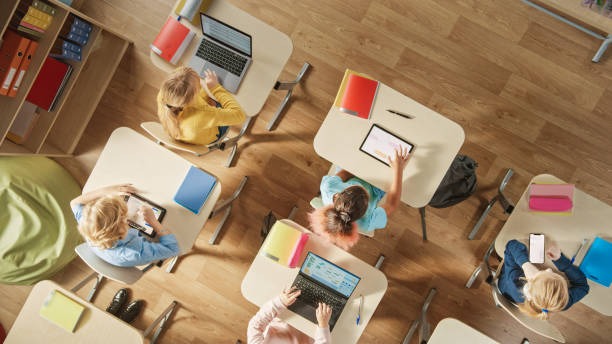
At its core, collaborative learning is about connection. It encourages students to engage with one another, share insights, and work together toward common goals. Imagine a classroom where discussions flow freely, where students feel comfortable expressing their thoughts and asking questions. This is the essence of a positive learning environment, and collaborative learning plays a pivotal role in making it a reality.
A gentle shift toward inclusivity
When students collaborate, they bring diverse perspectives to the table. This diversity is a strength, allowing learners to gain insights they may not have encountered in isolation. By working together, students learn to appreciate different viewpoints, fostering a sense of inclusivity. This inclusivity creates a safe space where everyone feels valued, leading to increased confidence and participation.
Creating small groups can be a wonderful way to initiate collaborative learning. These groups can be formed based on shared interests, varying abilities, or even random selection. The key is to ensure that every student has a role to play, whether as a leader, a note-taker, or a researcher. This sense of belonging not only enhances individual learning but also strengthens the collective experience.
Nurturing communication and trust
Collaboration naturally encourages communication. When students work together, they must articulate their thoughts, listen actively, and negotiate solutions. This process helps them develop essential communication skills that extend beyond the classroom. As they engage in discussions, students learn to express themselves clearly and respectfully, creating an environment of mutual respect.
Trust is another critical element of a positive classroom. Students must feel safe to share their ideas and take risks. Teachers can foster this trust by modeling vulnerability themselves, sharing their own experiences and welcoming feedback. When students see their teachers embracing collaboration, they are more likely to follow suit. This creates a supportive atmosphere where mistakes are viewed as opportunities for growth rather than failures.
Encouraging creativity and problem-solving
Collaborative learning is a fertile ground for creativity. When students brainstorm together, they can bounce ideas off one another, leading to innovative solutions. This collaborative approach allows learners to think outside the box, encouraging them to explore possibilities they might not have considered on their own.
Moreover, working as a team to tackle problems teaches students valuable problem-solving skills. They learn to approach challenges from multiple angles, considering various strategies before arriving at a solution. This process not only enhances their academic abilities but also prepares them for real-world situations where teamwork is often essential.
Building relationships and community
One of the most beautiful aspects of collaborative learning is the relationships that blossom within the classroom. As students work together, they form bonds that can last a lifetime. These connections create a sense of community, making the classroom feel like a second home.
In this nurturing environment, students are more likely to support one another, celebrating successes and providing encouragement during challenging times. This camaraderie not only enhances the learning experience but also contributes to students’ overall well-being. When learners feel connected, they are more motivated to engage and succeed.
Fostering a growth mindset
Collaborative learning aligns perfectly with the concept of a growth mindset. When students work together, they are often reminded that learning is a journey filled with ups and downs. They see their peers facing challenges and overcoming them, reinforcing the idea that effort and perseverance lead to success.
Teachers can further promote a growth mindset by encouraging reflection. After collaborative projects, inviting students to share what they learned about themselves and their peers can deepen their understanding of the process. This reflection not only solidifies their learning but also helps them appreciate the value of collaboration.
Creating a supportive environment
As educators, it’s essential to establish a supportive atmosphere where collaborative learning can thrive. This begins with setting clear expectations for group work and emphasizing the importance of respect and cooperation. Teachers can facilitate this by providing guidance and resources, ensuring that students have the tools they need to succeed.
Additionally, incorporating regular check-ins can help maintain a positive atmosphere. These moments allow students to voice any concerns or challenges they may be facing within their groups. Addressing these issues promptly can prevent misunderstandings and keep the collaborative spirit alive.
The joy of shared success
There is something incredibly rewarding about achieving success together. When students collaborate, they experience the joy of shared accomplishments. Whether it’s completing a project, solving a complex problem, or simply learning from one another, these moments create lasting memories.
Celebrating these successes, no matter how small, reinforces the value of teamwork. Teachers can create opportunities for students to present their collaborative work to the class, fostering a sense of pride and accomplishment. This recognition not only boosts individual confidence but also strengthens the bonds among classmates.
In conclusion, creating a positive classroom through collaborative learning is a journey filled with potential. By nurturing communication, trust, creativity, and community, educators can cultivate an environment where students thrive. The beauty of collaboration lies in its ability to connect individuals, fostering relationships that enrich the educational experience. As classrooms evolve, embracing collaborative learning will undoubtedly pave the way for a brighter, more inclusive future for all learners.