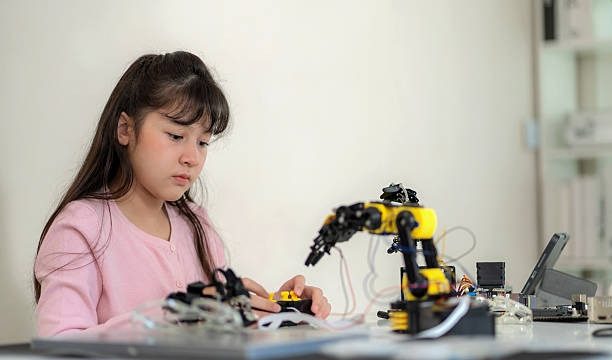
In a world where education often feels standardized and one-size-fits-all, the power of personalized projects can be a gentle yet profound way to nurture individual student growth.
These projects, tailored to the unique interests and strengths of each student, can ignite a passion for learning that transcends the classroom.
By embracing the project-based approach, educators can foster not only academic skills but also creativity, critical thinking, and social-emotional development.
When students engage in projects that resonate with them personally, the learning experience becomes a journey of discovery. Imagine a student who has a keen interest in environmental science. Instead of following a rigid curriculum, they could embark on a project that involves researching local ecosystems and proposing ways to improve biodiversity in their community. This kind of initiative allows students to explore their curiosities, developing a sense of ownership over their education. It transforms the learning process into something vibrant and relevant.
Creating an environment where projects can flourish begins with understanding each student’s unique strengths and interests. Teachers can take time to connect with their students, asking open-ended questions that invite them to share their passions. This gentle inquiry can reveal hidden talents and inspire ideas for projects that are deeply meaningful. For instance, a student fascinated by storytelling might choose to create a short film, while another interested in technology might design an app. The possibilities are endless when students are encouraged to pursue their interests.
A supportive classroom atmosphere also plays a crucial role in project-based learning. When students feel safe to express themselves and share their ideas, they are more likely to take risks and push their boundaries. This can be achieved by fostering a culture of collaboration, where students work together, share feedback, and celebrate each other’s successes. In this nurturing environment, students learn valuable interpersonal skills, such as empathy and communication, which are essential not only for their current projects but for life beyond the classroom.
As students dive into their projects, they encounter challenges that require problem-solving and resilience. These moments, though sometimes frustrating, are opportunities for growth. When a student faces a setback, such as a failed experiment or a creative block, they learn to navigate obstacles and develop coping strategies. Educators can guide them through these challenges, encouraging a mindset that views failure as a stepping stone to success. This perspective not only empowers students in their current endeavors but also instills a lifelong love of learning.
Incorporating reflection into the project process is another gentle but impactful way to support student growth. Regular check-ins and discussions about what students are learning, both academically and personally, can deepen their understanding of the projects they’re working on. Reflection helps students connect the dots between their experiences and the skills they are developing, reinforcing their sense of accomplishment. It also encourages self-awareness, as they begin to recognize their strengths and areas for improvement.
Moreover, the beauty of project-based learning lies in its ability to connect students with the wider community. Projects can extend beyond the classroom walls, allowing students to engage with local organizations, experts, and even their peers. When students share their work with a broader audience, they gain a sense of purpose and relevance. For example, a group of students might organize a community clean-up that ties into their project on environmental stewardship. Such experiences not only enrich their learning but also foster a sense of belonging and responsibility to their community.
In navigating the complexities of project-based learning, educators can consider integrating technology as a tool to enhance student engagement. Digital platforms can facilitate collaboration, research, and creativity in ways that resonate with today’s learners. Students can create blogs, videos, or interactive presentations that showcase their projects, allowing them to express themselves in diverse and innovative ways. Technology can also connect students with experts and resources beyond their immediate environment, broadening their horizons and deepening their learning experiences.
As the journey of project-based learning unfolds, it’s essential to celebrate the individual growth of each student. Recognition doesn’t have to be grand; it can be as simple as acknowledging a student’s unique contribution during a class discussion or showcasing their work in a school exhibit. These moments of affirmation can boost students’ confidence and motivate them to continue exploring their passions. When students feel seen and valued, they are more likely to engage wholeheartedly in their learning.
In the end, using projects to support individual student growth is about more than just academic achievement; it’s about cultivating a love of learning that lasts a lifetime. By honoring each student’s unique journey, educators can create a rich tapestry of experiences that celebrate curiosity, resilience, and creativity. As students embark on their projects, they not only develop skills and knowledge but also forge connections with themselves, their peers, and the world around them.
In this ever-evolving landscape of education, let us remember the importance of nurturing the individual spirit within each student. By embracing the power of projects, we can create a learning environment that is not only educational but also deeply enriching. The journey of discovery is not just for students; it’s a shared adventure that inspires us all to grow, learn, and thrive together.