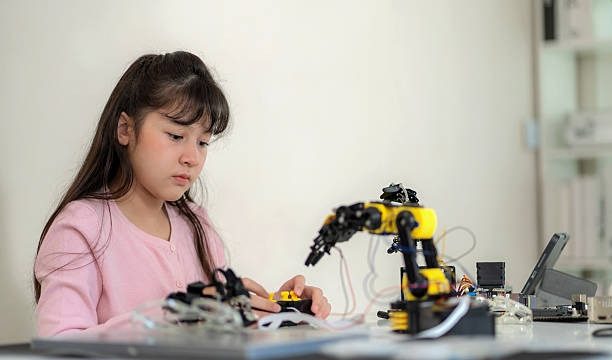
In the realm of education, project-based teaching has emerged as a dynamic approach that encourages students to engage deeply with their learning.
This method allows learners to explore real-world problems and develop solutions through collaboration and creativity.
However, as we embrace the benefits of project-based learning, it’s essential to ensure that this approach is inclusive, offering every student the opportunity to thrive.
Creating a more inclusive environment in project-based teaching requires a gentle shift in perspective and practice. It’s about understanding the diverse needs of our students and recognizing that inclusion is not just a checklist but a continuous journey. By fostering an atmosphere that values every voice and perspective, we can enrich the learning experience for all.
One of the first steps toward inclusivity is recognizing the varied backgrounds and abilities of our students. Each learner comes with a unique set of skills, experiences, and viewpoints. Acknowledging these differences can enhance group dynamics and lead to more creative solutions. When students feel valued for who they are, they are more likely to contribute meaningfully to collaborative projects.
Encouraging student-led initiatives can be a powerful way to promote inclusivity. By allowing students to choose their projects or define their roles within a project, we empower them to take ownership of their learning. This autonomy can be especially beneficial for students who may feel marginalized in traditional educational settings. When learners are given the freedom to pursue topics that resonate with them, they often engage more passionately and deeply.
Creating diverse groups is another essential aspect of inclusive project-based teaching. Mixing students with different abilities, backgrounds, and perspectives can foster creativity and innovation. When students collaborate with peers who bring different experiences to the table, they are exposed to new ideas and ways of thinking. This diversity can lead to richer discussions and more comprehensive solutions to the problems they are tackling.
As educators, it’s also crucial to provide the right support and resources to all students, ensuring that everyone can participate fully in group activities. This might mean offering additional time for tasks, providing various materials that cater to different learning styles, or employing technology that can assist those with specific needs. By being attentive to the individual requirements of students, we create an environment where everyone can shine.
A gentle shift toward balance is necessary when it comes to assessing student contributions in project-based learning. Traditional grading systems often fail to capture the nuances of collaboration and creativity. Instead of focusing solely on the final product, consider evaluating the process and teamwork involved. Recognizing effort, creativity, and collaboration can motivate students to engage more fully and appreciate the learning journey.
Communication is vital in cultivating an inclusive atmosphere. Encouraging open dialogue among students helps build trust and understanding. Establishing norms for respectful communication can create a safe space where students feel comfortable sharing their thoughts and ideas. This practice not only enhances group collaboration but also nurtures a sense of community within the classroom.
Incorporating reflection into the project-based learning process is another way to enhance inclusivity. After completing a project, inviting students to reflect on their experiences can provide valuable insights. This reflection can take many forms, such as discussions, journals, or presentations. By encouraging students to articulate their thoughts on what worked well and what could be improved, we empower them to take an active role in their learning and growth.
Furthermore, it’s essential to remain flexible and open-minded throughout the project-based learning process. Sometimes, unexpected challenges arise, or group dynamics shift. Being adaptable allows educators to respond to the needs of their students effectively. This flexibility can also encourage students to embrace change and learn to navigate obstacles collaboratively.
Involving families and communities can further enrich the inclusivity of project-based learning. By inviting parents, guardians, and community members to participate in projects, we expand the learning experience beyond the classroom. This collaboration can bring additional resources, perspectives, and expertise to the table, enhancing the overall educational experience for students.
As we strive to make project-based teaching more inclusive, it’s vital to remember the power of empathy. Understanding our students’ perspectives and challenges can significantly influence how we approach teaching. Empathy fosters a culture of support and acceptance, enabling students to feel seen and valued. When learners know their voices matter, they are more likely to engage wholeheartedly in their educational journey.
Ultimately, making project-based teaching more inclusive is about creating a warm and welcoming environment where every student can flourish. It requires a commitment to understanding and embracing diversity, fostering collaboration, and encouraging open communication. By taking these steps, educators can create a nurturing space that not only enhances learning but also prepares students to thrive in a diverse world.
As we continue to navigate the evolving landscape of education, let us embrace the opportunity to make project-based learning an inclusive experience for all. By nurturing an atmosphere of acceptance and understanding, we can inspire every student to reach their full potential, fostering a brighter future for everyone involved. With patience, empathy, and a willingness to adapt, we can ensure that project-based teaching becomes a truly inclusive journey for every learner.