In a world that thrives on connections and collaboration, the integration of real-world experts into classroom projects can offer students a unique and enriching learning experience.
These interactions can bridge the gap between theory and practice, allowing students to see the relevance of their studies in everyday life.
By inviting professionals into the educational environment, we foster a sense of curiosity and inspire the next generation to explore their passions and interests.
Creating these partnerships begins with understanding the value that experts can bring to the classroom. Imagine a science project where students are not only learning about ecosystems but are also able to engage with a local biologist who shares insights about the flora and fauna in their own community. This interaction can transform a simple assignment into an inspiring journey, igniting a spark of interest in students that textbooks alone may not achieve.
To initiate this process, educators can start by identifying the themes or topics being explored in the classroom. This could range from environmental science and history to art and technology. Once these themes are established, teachers can reach out to local professionals who might have a wealth of knowledge to share. Community centers, local businesses, and even online platforms can be excellent resources for finding experts willing to participate in educational projects.
Building a relationship with these experts requires a thoughtful approach. When reaching out, it’s essential to communicate the goals of the project clearly and express how their involvement can positively impact students. Most professionals appreciate the opportunity to give back to their community and inspire young minds. A personal touch—a handwritten note or a warm email—can go a long way in making these experts feel valued and appreciated.
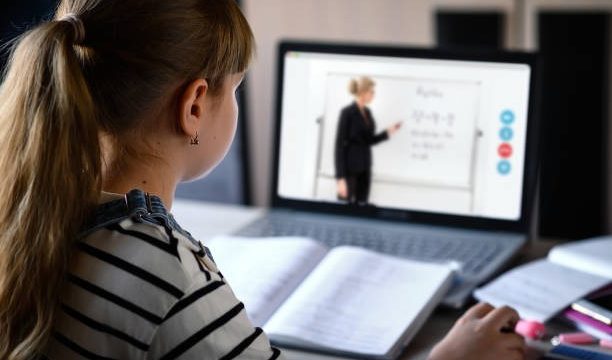
Once a connection is made, the next step is to plan how the expert will contribute to the project. This can take many forms, from guest lectures and virtual Q&A sessions to hands-on workshops or collaborative projects. The key is to ensure that the expert’s contribution aligns with the students’ learning objectives. For instance, if students are working on a community service project, having a local nonprofit leader share their experiences can provide invaluable insights and enhance the learning experience.
Incorporating real-world experts into classroom projects also encourages students to develop essential soft skills. Communication, teamwork, and critical thinking skills can flourish when students interact with professionals. They learn to ask questions, engage in discussions, and articulate their ideas more effectively. This interaction often leads to a newfound confidence, empowering students to express themselves in ways they may not have felt comfortable doing before.
As the project unfolds, it’s important to create opportunities for reflection. After engaging with an expert, students can be encouraged to share their thoughts and insights about the experience. This could be through journaling, group discussions, or even creative projects that allow them to express what they’ve learned. Reflective practices not only reinforce the knowledge gained but also help students appreciate the real-world applications of their studies.
Moreover, integrating experts into classroom projects can foster a sense of community. When students see professionals from their own neighborhoods participating in their education, it helps them feel more connected to their surroundings. This sense of belonging can enhance their motivation to learn and engage with their community. It also encourages students to think critically about the issues facing their environment and consider how they might contribute to positive change.
Another beautiful aspect of this integration is the diversity of perspectives that experts can bring to the classroom. Different backgrounds and experiences enrich discussions and broaden students’ understanding of various subjects. This exposure can challenge preconceived notions and inspire students to think outside the box. They may discover new interests or career paths they had never considered before, simply by interacting with someone passionate about their field.
As educators reflect on the success of these collaborations, it’s essential to recognize the mutual benefits involved. Experts often find fulfillment in sharing their knowledge and engaging with young minds. It can reignite their passion for their profession and remind them of the importance of their work. This reciprocal relationship can create a vibrant learning atmosphere where both students and experts thrive.
In the ever-evolving landscape of education, integrating real-world experts into classroom projects is a gentle yet powerful shift toward enriching the learning experience. It helps students connect the dots between what they learn in school and how it applies to the world around them. By fostering these relationships, we not only enhance academic understanding but also nurture a sense of curiosity and a desire to learn that can last a lifetime.
Ultimately, the goal is to create a learning environment that feels alive and dynamic, where knowledge flows freely between students and experts. It’s about crafting experiences that inspire, challenge, and engage young minds. As we continue to explore new ways to enrich education, let us remember the incredible potential that lies in connecting students with the wisdom of those who walk the paths they aspire to follow. By embracing this approach, we can help shape a future filled with informed, engaged, and passionate individuals ready to make their mark on the world.