Encouraging students to learn by doing is a philosophy that has gained traction in recent years, and for good reason.
Education often emphasizes theoretical knowledge, yet many students find that true understanding emerges when they can engage with the material in a hands-on manner.
This approach not only fosters deeper learning but also cultivates a sense of curiosity and excitement about the world around them. By creating opportunities for experiential learning, educators and parents can help students develop skills and knowledge that will serve them well throughout their lives.
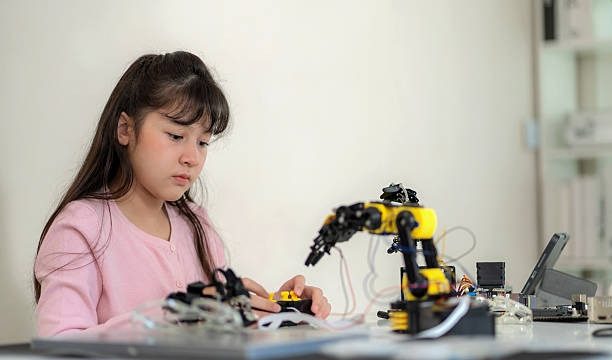
The beauty of learning by doing lies in its simplicity. When students participate in activities that require them to apply concepts in real-world situations, they become active participants in their education. This can take many forms, from science experiments in the classroom to community service projects that address local needs. Each experience offers a unique opportunity for students to explore their interests, ask questions, and discover answers through direct engagement.
One of the most powerful aspects of learning by doing is the way it encourages collaboration. In group projects, students learn to communicate effectively, share ideas, and work toward a common goal. This not only enhances their social skills but also teaches them the value of teamwork. When students collaborate, they draw on each other’s strengths and perspectives, resulting in a richer learning experience. As they navigate challenges together, they develop resilience and problem-solving abilities that are essential in any setting.
Engaging in hands-on activities also nurtures creativity. When students are free to experiment and explore, they often come up with innovative solutions to problems. This creative thinking is vital in today’s rapidly changing world, where adaptability and original ideas are highly valued. By encouraging students to take risks and think outside the box, we empower them to become not just consumers of knowledge but creators of it. The process of trial and error can be just as valuable as the end result, teaching students that failure is often a stepping stone to success.
A small shift toward balance is needed when incorporating experiential learning into education. While hands-on activities are incredibly beneficial, they should complement traditional teaching methods rather than replace them. A well-rounded education strikes a balance between theory and practice, ensuring that students have a solid foundation upon which to build their skills. For instance, a lesson on physics might involve both classroom instruction and a practical experiment, allowing students to connect abstract concepts with tangible outcomes.
Moreover, hands-on learning can be tailored to fit diverse learning styles. Every student is unique, and what works for one might not work for another. Some students thrive in a tactile environment, while others may excel with visual or auditory learning. By providing various opportunities for experiential learning, educators can cater to these differences, allowing each student to engage with the material in a way that resonates with them. This personalized approach not only enhances understanding but also fosters a love for learning that can last a lifetime.
Encouraging students to learn by doing also extends beyond the classroom. Parents play a crucial role in this process, as they can create a home environment that values exploration and curiosity. Simple activities like cooking together, gardening, or visiting museums can spark a child’s interest in various subjects. These experiences allow families to bond while simultaneously fostering a sense of wonder about the world. When parents demonstrate enthusiasm for learning, children are more likely to adopt a similar mindset, viewing education as an exciting journey rather than a chore.
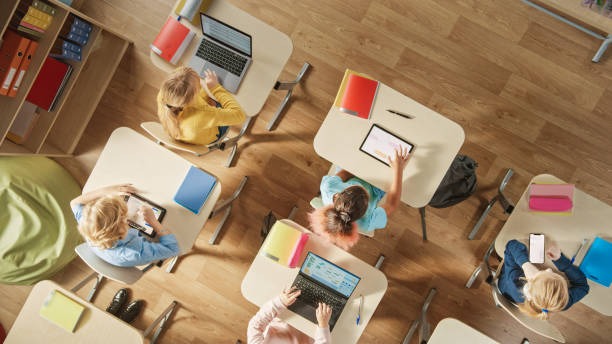
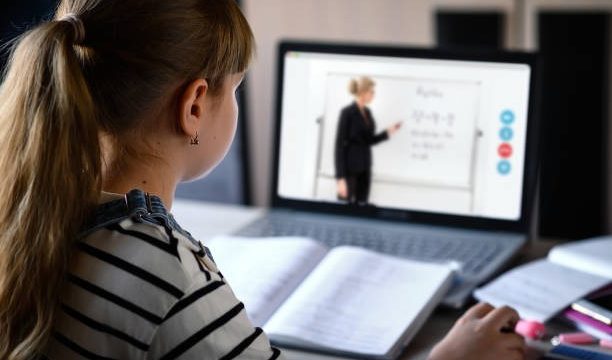
Incorporating technology into hands-on learning can open up even more possibilities. Digital tools and resources can enhance experiential learning, providing students with access to information and experiences that were once unimaginable. For example, virtual reality can transport students to historical sites or distant ecosystems, allowing them to immerse themselves in different environments. Online simulations can also provide practical applications of theoretical concepts, bridging the gap between classroom learning and real-world scenarios.
As we encourage students to embrace learning by doing, it’s important to recognize the role of reflection in this process. After engaging in hands-on activities, taking time to discuss and reflect on the experience can deepen understanding. Reflection allows students to articulate what they learned, how they felt, and how they can apply their new knowledge in the future. This practice not only solidifies their learning but also encourages critical thinking and self-awareness.
Creating a culture that values learning through experience requires the support of educators, parents, and communities. Schools can foster this culture by integrating project-based learning into their curricula, encouraging teachers to design lessons that involve real-world applications. Communities can support experiential learning by providing resources, mentorship, and opportunities for collaboration. When everyone works together, students are more likely to thrive in an environment that celebrates curiosity and exploration.
Ultimately, encouraging students to learn by doing is about nurturing a lifelong love of learning. It’s about helping them discover their passions, develop essential skills, and understand the world around them in a meaningful way. As we foster an environment where hands-on experiences are valued, we empower the next generation to become curious, creative, and confident individuals ready to tackle the challenges of the future.
In conclusion, the journey of education is most fulfilling when it is infused with opportunities for experiential learning. By encouraging students to learn by doing, we not only enhance their understanding but also cultivate a sense of wonder and excitement about the world. As we embrace this approach, we can inspire students to become active participants in their education, equipping them with the tools they need to navigate life’s complexities with confidence and creativity. Together, let’s celebrate the beauty of learning through experience and the endless possibilities it holds.