Encouraging Students to Explore Diverse Perspectives
In today’s interconnected world, the ability to appreciate and understand diverse perspectives is more important than ever.
As students navigate their academic journeys, encouraging them to explore various viewpoints can enrich their learning experiences and foster a sense of empathy.
This exploration not only broadens their intellectual horizons but also prepares them to engage thoughtfully with the complexities of life beyond the classroom.
A journey of understanding begins with curiosity. By nurturing a spirit of inquiry, educators can create an environment where students feel comfortable asking questions and expressing their thoughts. This curiosity can be sparked in many ways, whether through literature, art, history, or even current events. For instance, when students read novels from different cultures or study historical events from multiple perspectives, they gain insights that challenge their preconceived notions. Such exposure can lead to meaningful discussions that encourage students to reflect on their own beliefs and values.
Creating a safe space for dialogue is crucial. When students feel respected and heard, they are more likely to share their own experiences and perspectives. Class discussions can be a wonderful platform for this exchange, but it’s essential to establish ground rules that promote respect and open-mindedness. Educators can guide conversations by encouraging students to listen actively and consider viewpoints that differ from their own. This practice not only enhances critical thinking skills but also cultivates a sense of community within the classroom.
Fostering connections with diverse communities is another powerful way to encourage exploration of different perspectives. Schools can organize field trips, community service projects, or cultural events that expose students to a variety of experiences. By interacting with individuals from different backgrounds, students can gain firsthand knowledge that textbooks alone may not provide. These interactions can lead to friendships and collaborations that transcend cultural boundaries, enriching students’ lives in unexpected ways.
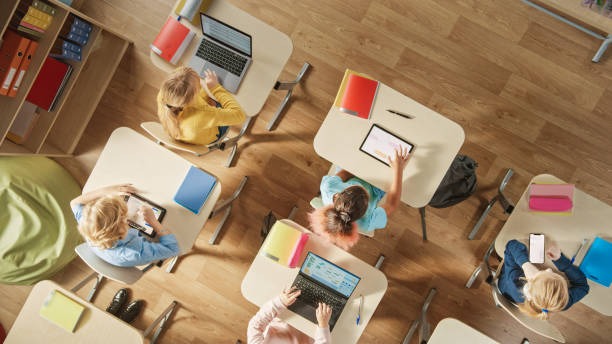
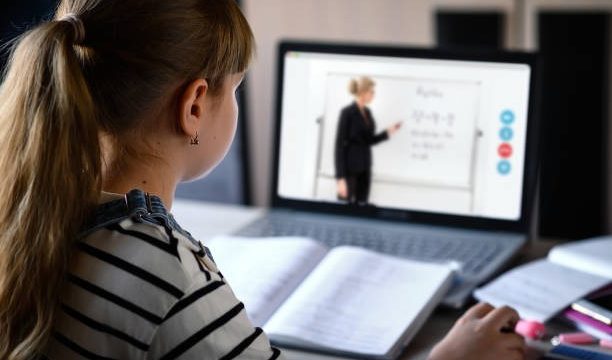
A small shift toward balance can also be achieved through technology. In our digital age, students have unprecedented access to information and diverse viewpoints from around the globe. Educators can guide students in navigating this wealth of resources, teaching them how to critically evaluate information and recognize bias. Encouraging students to engage with media from various sources helps them develop a more nuanced understanding of complex issues. This skill is invaluable as they prepare to participate in a world that thrives on dialogue and debate.
Encouraging creative expression can further enhance students’ exploration of diverse perspectives. Art, music, and writing allow students to convey their thoughts and feelings in unique ways. By incorporating projects that invite students to express their understanding of different cultures or social issues, educators can tap into their creativity while promoting empathy. For example, a student might create a piece of art that reflects their interpretation of a cultural tradition, sparking conversations that delve deeper into the significance of that tradition.
The power of storytelling should not be underestimated. Sharing personal narratives can be a profound way for students to connect with one another. Encouraging students to share their stories fosters a sense of belonging and helps them appreciate the richness of each other’s experiences. This practice can be integrated into classroom activities, where students take turns narrating their journeys or significant moments in their lives. Such sharing can illuminate the common threads that bind us all, despite our differences.
Role models play a significant role in shaping students’ perspectives. Introducing students to individuals who have made a difference in their communities or who have overcome challenges can inspire them to think critically about their own lives. Guest speakers, mentorship programs, or even virtual dialogues with leaders from various fields can provide students with diverse perspectives and ignite their passion for social change. These encounters remind students that they, too, have the potential to influence the world around them.
Cultivating empathy is at the heart of exploring diverse perspectives. When students learn to put themselves in others’ shoes, they develop a deeper understanding of the human experience. Simple practices, such as discussing ethical dilemmas or engaging in community service, can help students practice empathy in real-life situations. These experiences nurture compassion and encourage students to advocate for others, fostering a sense of responsibility towards their communities.
As students engage with diverse perspectives, it’s important to celebrate their growth. Recognizing their efforts to understand and appreciate differences reinforces their commitment to inclusivity. This can be done through classroom displays, presentations, or even informal discussions where students can reflect on what they’ve learned. Celebrating progress, no matter how small, encourages a continued desire to explore and learn.
Incorporating a global perspective into the curriculum can further enhance students’ understanding of diversity. Teaching about global issues, environmental challenges, and cultural practices from around the world allows students to see the interconnectedness of human experiences. This approach encourages them to think critically about their role in a global society and inspires them to become informed, compassionate citizens.
Ultimately, encouraging students to explore diverse perspectives is a lifelong journey. It requires patience, openness, and a willingness to engage with the world in all its complexity. By fostering curiosity and empathy, educators can guide students toward a deeper understanding of themselves and others. As students learn to appreciate the beauty of diversity, they become not only better learners but also more compassionate individuals, ready to navigate the rich tapestry of life that awaits them beyond the classroom.
In this ever-evolving world, the ability to embrace and understand diverse perspectives is a gift that will serve students throughout their lives. By nurturing this essential skill, we contribute to a more harmonious and inclusive society, where every voice is valued and every story matters.