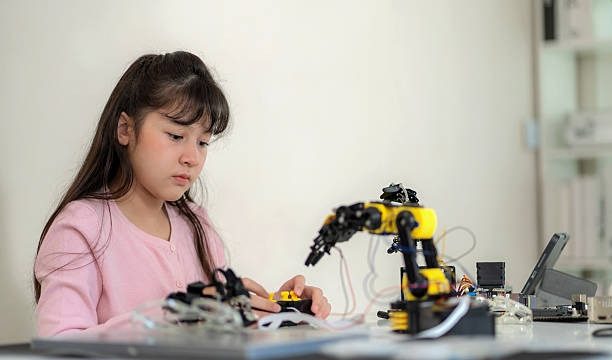
In a world that is constantly evolving, the ability to learn and adapt has become more crucial than ever.
As educators and parents, the goal is not just to impart knowledge but to cultivate a mindset of lifelong learning in our children.
One of the most effective methods to achieve this is through project-based teaching, a dynamic approach that encourages curiosity and creativity.
Project-based teaching invites students to engage in real-world challenges, allowing them to explore their interests while developing critical skills. This approach not only deepens understanding but also fosters a love of learning that can last a lifetime. By focusing on projects, students become active participants in their education, rather than passive recipients of information.
A gentle introduction to project-based learning often begins with the exploration of a topic that sparks interest. Imagine a classroom where students gather around a table, excitement bubbling as they brainstorm ideas. They might choose to investigate the effects of plastic pollution in their local waterways or design a community garden. The key here is that the project is meaningful to them, rooted in their lives and experiences.
As they embark on their project journey, students learn to ask questions, seek out resources, and collaborate with their peers. This process of inquiry transforms traditional learning into an adventure, where each discovery leads to new questions and insights. The joy of finding answers, understanding complex concepts, and overcoming challenges becomes a powerful motivator.
One of the beautiful aspects of project-based teaching is its flexibility. It can be adapted to suit various learning styles and age groups. For younger children, a project might involve creating a simple model or a visual presentation. As students grow older, projects can become more sophisticated, incorporating technology, research, and community engagement. This adaptability ensures that every learner can find their place within the project, making it a truly inclusive experience.
Collaboration is a cornerstone of project-based learning. When students work together, they learn from one another, share perspectives, and build social skills. These interactions help to cultivate empathy and understanding, essential qualities for lifelong learners. In a supportive environment, students can express their ideas freely, learn to respect differing opinions, and develop the ability to compromise.
The role of the educator in this process is to guide and facilitate rather than dictate. A teacher can encourage students to take ownership of their learning by providing them with the tools and resources they need to succeed. This might involve helping them identify potential challenges or connecting them with community members who can lend expertise. The educator becomes a mentor, fostering an atmosphere of trust and encouragement.
As projects unfold, students are often surprised by their own capabilities. They may discover talents they didn’t know they had, such as public speaking, creative writing, or even technical skills. This sense of accomplishment is vital; it builds confidence and encourages students to take risks in their learning. The more they engage in these projects, the more they learn to embrace challenges, which is a key trait of a lifelong learner.
Reflection is another essential component of project-based teaching. After completing a project, students should take the time to reflect on their experiences. What did they learn? What would they do differently next time? This practice not only solidifies their understanding but also encourages metacognition, the ability to think about one’s own thinking. By reflecting on their learning journey, students develop a deeper awareness of their strengths and areas for growth.
Engaging the community can further enhance the learning experience. When students present their projects to parents or local organizations, they gain a sense of purpose and connection. This real-world application of their knowledge reinforces the importance of their work and shows them how their efforts can make a difference in the world.
As we consider the future of education, it’s clear that fostering lifelong learners is more important than ever. In a rapidly changing world, the ability to learn, unlearn, and relearn will be indispensable. Project-based teaching not only equips students with essential skills but also instills a love of learning that can carry them through life.
It’s essential for us as educators and parents to embrace this approach, encouraging our children to explore, create, and connect. By providing them with opportunities to engage in meaningful projects, we are nurturing their curiosity and inspiring them to seek knowledge beyond the classroom. In doing so, we help them become not just students, but lifelong learners who are prepared to navigate the complexities of the world.
In conclusion, building lifelong learners through project-based teaching is a journey filled with exploration and discovery. It’s about creating an environment where curiosity thrives, collaboration flourishes, and every student feels empowered to chase their interests. As we embrace this approach, we pave the way for a generation that values learning not just as a task, but as a joyous lifelong adventure.