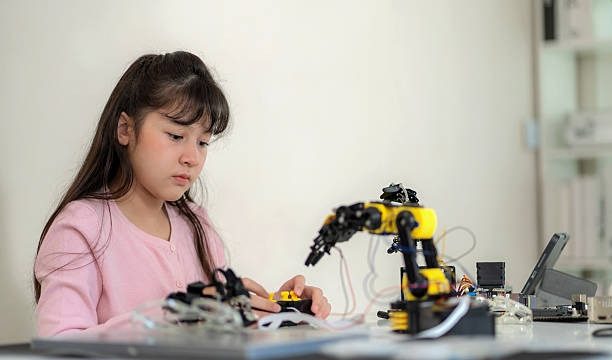
In today’s ever-evolving educational landscape, project-based teaching is gaining traction as a dynamic approach that engages students and fosters deeper learning.
If you’re new to this teaching method, the prospect of planning project-based modules may seem daunting.
However, with a little guidance and a sprinkle of creativity, you can design meaningful experiences that ignite curiosity and promote collaboration among your students.
Understanding the essence of project-based teaching is the first step. At its core, this method revolves around real-world projects that encourage students to explore complex questions or challenges. Unlike traditional teaching methods, where students often memorize facts, project-based learning invites them to actively engage in their education. This not only cultivates critical thinking and problem-solving skills but also fosters a sense of ownership over their learning journey.
Finding your starting point can feel like a small shift toward balance. Consider the interests and needs of your students. Begin by brainstorming topics that resonate with them. What subjects spark their enthusiasm? What real-world issues do they care about? By aligning your projects with their passions, you create a more engaging and authentic learning experience.
Once you have a few ideas, think about the overarching question or challenge that will drive the project. This guiding question should be open-ended, inspiring students to delve deeper into the subject matter. For example, if your students are interested in environmental issues, you might ask, “How can we reduce waste in our school?” This question not only encourages research and exploration but also empowers students to think critically about practical solutions.
As you move forward, it’s essential to consider the logistics of your project. What resources will you need? How much time can you realistically dedicate to the project? Creating a timeline can help keep things organized and ensure that students stay on track. However, remain flexible; sometimes, the best learning moments come from unexpected detours.
Collaboration is a cornerstone of project-based teaching. Encourage students to work together, sharing ideas and responsibilities. This not only enhances their social skills but also fosters a sense of community within the classroom. You might assign roles based on each student’s strengths, allowing them to contribute in ways that feel meaningful. This collaborative spirit can lead to richer discussions and more innovative solutions.
A gentle integration of assessment into your project is crucial. Instead of traditional tests, consider employing formative assessments throughout the project. This could involve self-reflections, peer reviews, or progress presentations. By focusing on the learning process rather than solely on the final product, you create a more supportive environment where students feel comfortable taking risks and learning from their mistakes.
As your students engage with their projects, remember to provide guidance without overshadowing their creativity. Offer support when needed, but encourage them to take ownership of their learning. This balance can help students develop confidence in their abilities, fostering a sense of independence that will serve them well beyond the classroom.
Incorporating community resources can elevate your project-based teaching modules. Reach out to local organizations, experts, or even parents who can provide insights or assistance. This not only enriches the learning experience but also connects students with their community, making the lessons feel more relevant and impactful.
Once the project is complete, take time to celebrate the students’ efforts. Hosting a showcase or presentation day allows them to share their work with peers, parents, and the community. This not only boosts their confidence but also reinforces the importance of their contributions. Reflection is also a key component of this process. Encourage students to discuss what they learned, what challenges they faced, and how they overcame them. This practice of reflection can deepen their understanding and inspire future projects.
As you embark on this journey of project-based teaching, remember that the process is just as important as the outcome. Embrace the messiness of learning; it is often in the trials and errors that the most profound insights are gained. Allow your students to explore, ask questions, and engage with the material in ways that resonate with them.
As you continue to refine your approach, consider seeking feedback from your students. Their perspectives can provide valuable insights into what worked well and what could be improved. This collaborative relationship not only enhances your teaching but also models the importance of growth and adaptability to your students.
In conclusion, planning project-based teaching modules is an exciting opportunity to create a vibrant learning environment. By tapping into your students’ interests, fostering collaboration, and embracing the learning journey, you can inspire a deeper connection to the material. Remember to remain flexible, celebrate efforts, and encourage reflection. With patience and creativity, you can craft experiences that not only educate but also empower your students, preparing them for the challenges and opportunities that lie ahead.