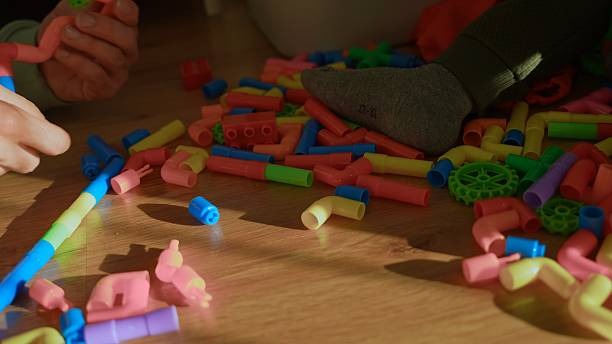
Creating an environment that fosters creativity in learning spaces can be a transformative experience for students.
When we think of education, we often picture traditional classrooms with rows of desks and chalkboards.
However, the landscape of learning is evolving, and student engagement is at the heart of this change.
By embracing creative learning spaces, we can ignite passion and curiosity in students, encouraging them to explore, collaborate, and innovate.
The essence of a creative learning space lies in its ability to inspire. Imagine a room filled with vibrant colors, inspiring artwork, and flexible seating arrangements that invite collaboration and communication. These elements contribute to a welcoming atmosphere where students feel safe to express their ideas and take risks. When students are comfortable in their environment, they are more likely to engage deeply with the material and with each other.
One of the most significant shifts we can make in education is to prioritize student choice. Allowing students to have a say in their learning environment not only boosts their sense of ownership but also enhances their overall engagement. This could be as simple as letting students choose where they sit for a group project or allowing them to select topics that resonate with their interests. When students feel that their voices are heard, they are more likely to invest themselves in the learning process.
A small shift toward balance can also play a crucial role in enhancing student engagement. Incorporating a variety of learning styles and activities ensures that all students have the opportunity to thrive. For instance, blending hands-on projects with traditional lessons can cater to those who learn best through doing. Creative learning spaces should offer diverse resources, from art supplies and technology to quiet corners for reflection. This variety allows students to explore different modalities and discover what resonates most with them.
Collaboration is another cornerstone of creative learning. When students work together on projects, they not only learn from each other but also develop essential social skills. Creating spaces that encourage teamwork can be as simple as rearranging furniture to facilitate group work or incorporating communal areas where students can gather and brainstorm. These interactions foster a sense of community and belonging, making the learning experience more enriching and enjoyable.
In addition to physical space, the role of educators in promoting student engagement cannot be overstated. Teachers who embrace a mindset of flexibility and openness can significantly impact how students perceive their learning environment. By modeling curiosity and enthusiasm, educators can inspire students to approach their studies with the same vigor. Encouraging questions, celebrating creativity, and providing constructive feedback are all ways to nurture an engaged classroom culture.
Another important aspect of creative learning spaces is the integration of technology. In today’s digital age, technology can serve as a powerful tool for enhancing learning experiences. Interactive platforms, virtual reality, and collaborative online tools can open new avenues for exploration and creativity. However, it’s essential to strike a balance between technology and traditional learning methods. The goal is to use technology as a complement to, rather than a replacement for, hands-on experiences and face-to-face interactions.
As we create these dynamic learning environments, it’s also vital to consider the emotional well-being of students. A supportive atmosphere where mental health is prioritized can significantly impact engagement. Incorporating mindfulness practices, such as meditation or quiet reflection, can help students center themselves and remain focused. When students feel emotionally supported, they are more likely to engage fully in their learning.
The power of storytelling in education should not be overlooked either. When students connect with learning through narratives, they are more likely to remember and engage with the material. Incorporating storytelling into lessons can make subjects come alive, allowing students to see the relevance of what they are learning. Whether through literature, personal experiences, or creative writing, narratives can foster a deeper connection to the content.
Creating a feedback loop between students and educators is also essential for maintaining engagement. Regular check-ins can help teachers understand what is working well and what might need adjustment. This open dialogue empowers students to take an active role in their learning journey, making them feel valued and respected. When students see that their input leads to positive changes, their investment in the learning process increases.
The surrounding community can play a vital role in enriching creative learning spaces as well. Partnerships with local organizations, artists, and businesses can provide students with real-world experiences that enhance their learning. Field trips, guest speakers, and collaborative projects can connect students to their community and broaden their understanding of the world. These experiences can spark inspiration and motivate students to engage more deeply with their studies.
As we reflect on the future of education, it’s clear that creating engaging, creative learning spaces is essential for nurturing the next generation of thinkers and innovators. By prioritizing student choice, fostering collaboration, integrating technology thoughtfully, and supporting emotional well-being, we can create environments where students thrive. It is not just about the physical space but also about the relationships and experiences that shape their learning journey.
In conclusion, student engagement in creative learning spaces is a multifaceted endeavor that requires attention to various elements. By cultivating environments that inspire curiosity, encourage collaboration, and respect diverse learning styles, we can unlock the potential within every student. As we continue to evolve our educational practices, let us remember that the heart of learning lies in the connections we build and the creativity we nurture.