In the heart of education lies a beautiful dance between teaching and learning, where each step taken by educators and students shapes the rhythm of the classroom.
One of the most graceful elements of this dance is formative assessment, a powerful tool that helps teachers create responsive strategies tailored to the unique needs of their students.
By embracing formative assessment, educators can cultivate a nurturing environment that not only enhances learning but also fosters a sense of community and belonging.
At its core, formative assessment is all about understanding where students are in their learning journey. Unlike traditional assessments, which often serve as a final measure of knowledge, formative assessments are ongoing and flexible. They allow teachers to gather insights into student comprehension, skills, and attitudes, providing valuable feedback that informs instructional decisions. This approach can transform the classroom into a more dynamic space, where teaching is not just a one-way street but a collaborative process.
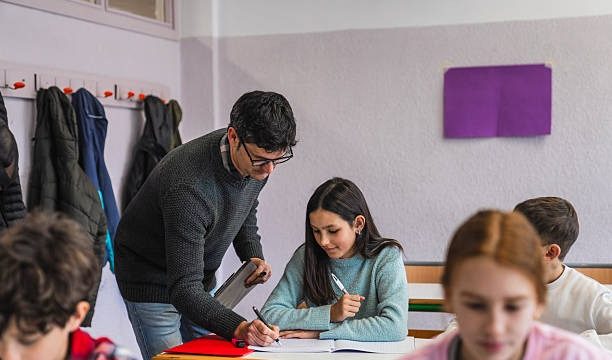
Creating a responsive teaching strategy begins with the awareness that each student is unique, carrying their own experiences, strengths, and challenges. By utilizing formative assessment techniques, educators can identify these individual differences and adjust their teaching methods accordingly. This doesn’t mean overhauling lesson plans on a whim; instead, it’s about making subtle yet impactful adjustments that resonate with students.
A gentle shift toward understanding can begin with simple observations. Teachers can take note of students’ body language, engagement levels, and even their questions. These cues can reveal a wealth of information about how well students grasp concepts. For instance, if a teacher notices that a particular lesson has left many students puzzled, they can choose to revisit the topic, perhaps introducing a different perspective or employing varied teaching methods. This kind of adaptability is key to creating a responsive learning environment.
Incorporating student feedback is another essential aspect of formative assessment. By inviting students to share their thoughts on what works for them and what doesn’t, educators can gain insights that are often missed in traditional assessments. This could be as simple as asking students to reflect on a lesson or share their feelings about a particular project. When students feel their voices are heard, they become more invested in their learning, fostering a sense of ownership and responsibility.
As educators weave formative assessments into their teaching strategies, they also create opportunities for students to engage in self-assessment. Encouraging students to evaluate their own understanding not only promotes metacognition but also empowers them to take charge of their learning. When students recognize their strengths and identify areas for improvement, they develop a growth mindset that can carry them far beyond the classroom.
Creating a supportive atmosphere is crucial in this process. When students feel safe to express their thoughts and ask questions, they are more likely to engage in meaningful discussions. An open dialogue makes it easier for educators to gauge student understanding and adjust their teaching accordingly. This nurturing environment fosters collaboration, where students learn not just from their teachers but from each other as well.
As the seasons change, so too can the strategies employed in the classroom. Formative assessment is not a static process; it evolves as students grow and as new challenges arise. Teachers can take time to reflect on their practices, considering what worked well and what could be improved. This reflective practice allows for a continuous cycle of growth, both for educators and their students.
Building strong relationships is another vital component of responsive teaching. When students feel connected to their teachers, they are more likely to engage with the material and take risks in their learning. Formative assessments provide a wonderful opportunity for teachers to connect with their students on a deeper level, understanding their interests and motivations. These connections foster a sense of trust and respect, creating a safe space for exploration and discovery.
As educators embrace formative assessment, they also become role models of adaptability and resilience. By demonstrating a willingness to adjust their teaching methods in response to student needs, they inspire students to embrace change and develop their own strategies for overcoming obstacles. This modeling of flexibility is a valuable life lesson that extends far beyond the classroom.
In essence, using formative assessment to create responsive teaching strategies is a journey of discovery for both teachers and students. It encourages a culture of continuous improvement, where learning is seen as a shared experience rather than a solitary endeavor. This collaborative spirit not only enhances academic achievement but also nurtures social and emotional growth.
As we continue to navigate the complexities of education, it’s important to remember that the ultimate goal is to create a rich and supportive learning environment. By embracing formative assessment, educators can cultivate responsive strategies that honor the individuality of each student, allowing them to thrive in their own unique ways. This commitment to understanding and adaptability transforms classrooms into vibrant spaces of learning, where every student can reach their fullest potential.
In the end, the art of teaching is not just about imparting knowledge; it’s about fostering connections, nurturing curiosity, and empowering students to become lifelong learners. Through the lens of formative assessment, educators can create a responsive approach that honors the journey of every student, turning the classroom into a sanctuary of growth and possibility.