In today’s ever-evolving educational landscape, fostering independent learners has become a crucial goal for educators and parents alike.
The journey toward this goal can be enriched through formative assessment, a gentle yet powerful tool that encourages self-directed learning.
This approach not only enhances students’ understanding but also nurtures their ability to take charge of their own learning experiences.
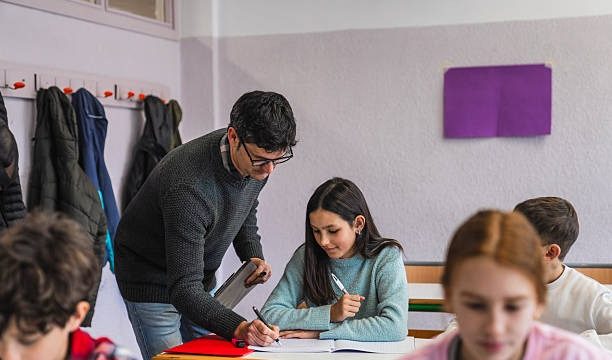
Understanding formative assessment can be likened to planting seeds in a garden. Just as a gardener tends to each plant, nurturing them with care and attention, teachers can support their students through ongoing feedback and reflection. This process allows learners to recognize their strengths and areas for growth, cultivating a sense of ownership over their educational journey.
The essence of formative assessment lies in its flexibility. It is not merely about standardized tests or grades; rather, it encompasses a variety of methods to gauge understanding and facilitate learning. These can include informal observations, discussions, peer assessments, and self-reflections. Each interaction provides valuable insights, helping educators tailor their approaches to meet the unique needs of their students.
Creating a supportive environment is vital for effective formative assessment. When students feel safe and valued, they are more likely to engage openly in the learning process. This atmosphere fosters trust, allowing learners to express their thoughts and questions without fear of judgment. Encouraging a growth mindset is essential here; it reminds students that learning is a journey filled with ups and downs. Mistakes are not failures but opportunities for growth and understanding.
As students become more aware of their learning processes, they begin to develop critical self-assessment skills. These skills empower them to identify what they know and what they need to work on. This self-awareness is a cornerstone of independent learning. When students can articulate their learning goals and reflect on their progress, they become active participants in their education rather than passive recipients of information.
One gentle yet effective way to incorporate formative assessment is through reflective journaling. This practice encourages students to regularly write about their learning experiences, thoughts, and feelings. Journals can serve as a personal space for reflection, allowing students to process their learning in a meaningful way. Over time, these reflections can reveal patterns in understanding, helping learners to see their growth and areas for improvement.
Additionally, incorporating peer feedback can be a powerful way to enhance formative assessment. When students engage in constructive dialogue with one another, they not only learn from their peers but also develop their ability to give and receive feedback. This collaborative approach fosters a sense of community within the classroom, encouraging students to support each other on their learning journeys.
Engaging parents in the formative assessment process can also be beneficial. Open communication about learning goals and progress can create a supportive home environment that reinforces students’ independence. By sharing insights from assessments, educators can help parents understand how they can further support their children’s learning outside of school. This partnership strengthens the educational experience and promotes a holistic approach to learning.
As students become more adept at self-assessment and peer feedback, they begin to take more responsibility for their own learning. This shift can be subtle yet profound. Students start to approach challenges with a sense of curiosity and resilience, viewing obstacles as opportunities for discovery. They become comfortable exploring new ideas and taking intellectual risks, which is essential for independent learning.
Creating opportunities for choice within the learning environment is another way to encourage independence. When students have a say in their learning activities or projects, they are more likely to invest in their work. Choice fosters a sense of autonomy, allowing learners to pursue topics that resonate with their interests and passions. This intrinsic motivation is a powerful driver of independent learning.
Moreover, formative assessment can help students set realistic and achievable goals. By regularly reflecting on their progress, learners can identify short-term objectives that lead to long-term aspirations. This goal-setting process not only enhances their focus but also builds confidence as they achieve milestones along the way.
Incorporating technology can further enrich the formative assessment experience. Digital tools can facilitate instant feedback, allowing students to engage with their learning in real time. Online platforms and applications provide diverse ways for students to showcase their understanding, from video presentations to interactive quizzes. These tools can make learning more engaging and accessible, catering to various learning styles.
As we navigate the complexities of education, the role of formative assessment in promoting independent learners cannot be overstated. It is a gentle guide, encouraging students to take ownership of their learning journey. By fostering self-awareness, providing constructive feedback, and creating a supportive environment, educators can empower students to become lifelong learners.
Ultimately, the goal is to cultivate a love for learning that extends beyond the classroom. When students feel confident in their abilities and understand that learning is a continuous process, they are more likely to carry this mindset into their future endeavors. In this way, formative assessment is not merely a tool for evaluation; it is a pathway to independence, resilience, and a lifelong passion for knowledge.
As we continue to explore innovative educational practices, let us embrace formative assessment as a means of nurturing the independent learners of tomorrow. By investing in their growth today, we are shaping a brighter future, filled with curious minds and empowered individuals ready to tackle the challenges of the world.