In our fast-paced world, where the rush of daily tasks can often overshadow our personal growth, taking a moment to pause and reflect can be a transformative experience.
This is especially true in educational settings, where formative assessment offers a gentle yet powerful way to encourage reflection and progress.
By integrating this approach, both educators and learners can cultivate a rich environment of continuous improvement, understanding, and self-awareness.
Formative assessment is not merely a tool for evaluation; it’s a pathway to deeper learning.
Unlike traditional assessments that often focus on grading and ranking, formative assessments are designed to provide feedback during the learning process. This feedback serves as a mirror, reflecting students’ understanding and guiding them toward their next steps. When we think about it, isn’t life itself a series of formative assessments? Each experience, each interaction, and each challenge invites us to reflect on our choices and encourages our growth.
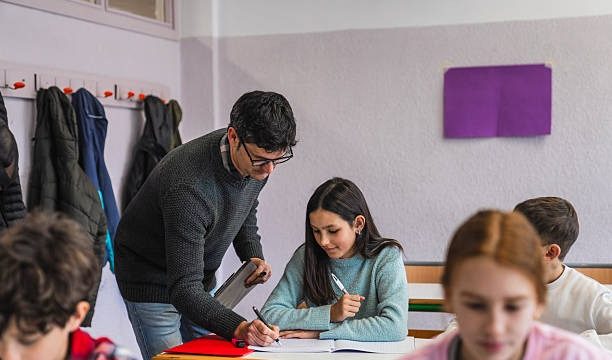
Creating a nurturing space for reflection is key. In classrooms, this can be achieved through methods such as open discussions, peer reviews, and self-assessments. Imagine a classroom where students feel safe to express their thoughts and feelings about their learning journey. This kind of environment fosters trust, enabling learners to explore their strengths and areas for improvement without the fear of judgment. When students engage in self-assessment, they develop a sense of ownership over their learning, which is a powerful motivator for progress.
Encouraging students to articulate their thoughts about their learning experiences can be enlightening. When educators ask open-ended questions, such as “What did you find challenging today?” or “How can you apply what you learned to your life?” they invite students to delve deeper into their understanding. This practice not only aids in retention but also nurtures critical thinking skills. Students learn to analyze their experiences, making connections that enhance their comprehension and application of knowledge.
A small shift toward balance can make a significant difference. While it’s essential to provide constructive feedback, it’s equally important to celebrate small victories. Recognizing progress, no matter how incremental, helps build confidence. When students receive positive reinforcement, they are more likely to engage with the material and persist through challenges. This balance between constructive criticism and encouragement creates a supportive atmosphere where learners feel valued and motivated.
Incorporating formative assessment into the learning process also allows for flexibility. Unlike summative assessments, which often occur at the end of a unit or course, formative assessments can be woven into the fabric of everyday learning. This adaptability means that educators can respond to students’ needs in real-time, adjusting their teaching methods to better suit the class’s dynamics. It’s a beautiful dance of give and take, where educators and students work together to create a more enriching educational experience.
Moreover, technology can play a supportive role in this journey. Digital platforms offer various tools for formative assessment, making it easier for both students and teachers to engage in reflection. Online quizzes, discussion boards, and interactive activities provide immediate feedback, allowing students to see where they stand and how they can improve. This immediacy can be incredibly empowering, as it encourages a proactive approach to learning.
The role of the educator in this process is vital. Teachers who embrace formative assessment often find themselves stepping into the role of a facilitator rather than a traditional lecturer. This shift allows them to guide students through their learning journeys, helping them to navigate obstacles and celebrate achievements. Building strong relationships with students fosters a sense of community, making it easier for learners to seek help when needed and to support one another.
As we consider the broader implications of formative assessment, it’s clear that the benefits extend beyond the classroom. The skills developed through this reflective practice—self-awareness, critical thinking, and adaptability—are essential for personal and professional success in any arena. In a world that is constantly changing, these qualities equip individuals to navigate new challenges with confidence and creativity.
It’s also important to recognize that reflection is a lifelong journey. Just as students benefit from formative assessments in their education, adults can embrace similar practices in their personal and professional lives. Taking time to reflect on experiences, decisions, and goals can lead to profound insights and growth. Whether through journaling, meditation, or simply setting aside quiet moments for contemplation, the act of reflecting allows us to connect with our inner selves and chart a course for the future.
Encouraging reflection and progress through formative assessment is not just a pedagogical approach; it’s a philosophy of learning that embraces the beauty of growth. By fostering an environment where learners can explore their thoughts and feelings, we empower them to take charge of their educational journeys. This gentle guidance, combined with the celebration of small victories, cultivates a culture of continuous improvement that benefits everyone involved.
In conclusion, the art of reflection is a powerful tool in both education and life. By embracing formative assessment, we not only enhance learning but also nurture the qualities that lead to personal fulfillment and success. So, let’s take a moment to pause, reflect, and celebrate the journey of growth that we are all on together. Each step we take, no matter how small, brings us closer to our goals and to a deeper understanding of ourselves and the world around us.