In the ever-evolving landscape of education, fostering an engaging and supportive learning environment is essential.
One of the most effective ways to achieve this is through formative assessment techniques that encourage participation.
This approach not only enhances student understanding but also nurtures a sense of belonging and community within the classroom.
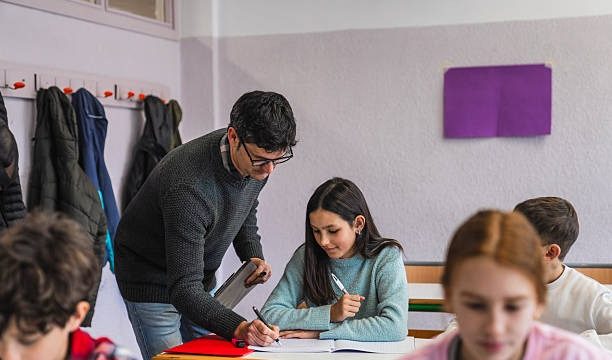
Creating a welcoming atmosphere is the first step in encouraging participation. When students feel comfortable and valued, they are more likely to share their thoughts and ideas. This can be as simple as greeting each student by name or taking a moment to check in with them about their day. Small gestures can make a significant impact, helping students to feel seen and heard.
Another gentle way to enhance participation is through the use of open-ended questions. These questions invite students to think critically and express their opinions without the pressure of being “right” or “wrong.” For example, instead of asking, “What is the capital of France?” you might pose the question, “What do you think makes a city a great capital?” This shift allows students to explore their thoughts and encourages deeper conversations. As they share their ideas, they are more likely to engage with their peers, creating a dynamic and interactive classroom environment.
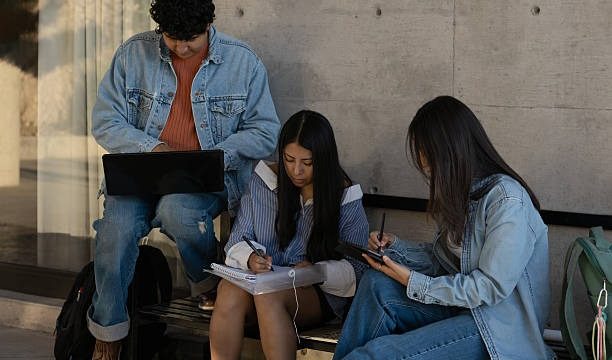
Incorporating collaborative activities can also be a wonderful technique to promote participation. Group work allows students to share responsibilities and learn from one another. When students collaborate, they not only gain insights from their peers but also develop essential social skills. Consider incorporating activities like jigsaw learning, where each student becomes an expert on a particular topic and teaches it to their group. This method fosters a sense of teamwork and makes learning a shared journey.
Providing opportunities for self-reflection is another effective strategy. When students take the time to reflect on their learning experiences, they can identify what resonates with them and what areas they wish to explore further. Encouraging them to keep a journal or engage in discussions about their learning paths can help them articulate their thoughts and feelings. This practice not only deepens their understanding but also invites them to take ownership of their education.
Creating a safe space for mistakes is equally important. The fear of failure can be a significant barrier to participation. By cultivating an environment where mistakes are viewed as learning opportunities, you empower students to take risks. A simple phrase like, “It’s okay to get it wrong; that’s how we learn,” can go a long way in reassuring students. Celebrating effort over perfection can shift the focus from grades to growth, encouraging everyone to join in the learning process.
Incorporating technology can also enhance participation in a friendly manner. Tools such as interactive polls or discussion boards can provide students with alternative ways to express their thoughts. These platforms can be particularly beneficial for those who may feel shy speaking up in a traditional classroom setting. By offering various avenues for participation, you create a more inclusive environment.
Another gentle approach to encourage participation is through storytelling. Sharing personal anecdotes or inviting students to share their stories can create a warm and relatable atmosphere. Stories have a unique way of connecting people and making concepts more relatable. When students see their experiences reflected in the lessons, they are more likely to engage and contribute to discussions.
Using formative assessments as a means of feedback is also valuable. Rather than viewing assessments as a final judgment, consider them as a tool for growth. Regular check-ins, quizzes, or informal assessments can provide insights into student understanding while also allowing students to reflect on their learning journey. This approach can help demystify the assessment process, making it feel more like a conversation than a test.
Encouraging peer feedback is another friendly technique to foster participation. When students share feedback with each other, they learn to communicate their thoughts constructively and receive insight from their peers. This practice not only builds confidence but also strengthens the classroom community. Creating guidelines for respectful feedback can help maintain a supportive environment where everyone feels safe to express their opinions.
Ultimately, the essence of encouraging participation lies in building relationships. Taking the time to connect with students on a personal level can create a foundation of trust. When students know that their thoughts and feelings matter, they are more likely to engage actively in their learning. Simple acts of kindness, such as listening attentively or showing genuine interest in their ideas, can inspire students to participate wholeheartedly.
As educators, it’s essential to remember that participation is a journey, not a destination. Each student is unique, with their own pace and comfort levels. By employing friendly formative assessment techniques, we create a nurturing atmosphere where all voices can be heard. This approach not only enriches the learning experience but also cultivates a sense of community that extends beyond the classroom walls.
In the end, the goal is to inspire a love for learning that lasts a lifetime. By encouraging participation through gentle, supportive means, we empower our students to express themselves and explore their potential. The classroom becomes a vibrant space where ideas flourish and connections deepen, creating a rich tapestry of shared knowledge and experiences. In this environment, every student can thrive, knowing they are an integral part of the learning journey.