In the ever-evolving landscape of education, the quest for effective teaching strategies continues to inspire educators around the world.
One approach that has gained significant attention in recent years is the concept of formative assessment.
Unlike traditional assessments that merely serve as a snapshot of student performance, formative assessments are ongoing, reflective, and deeply integrated into the learning process.
They encourage students to engage with their own learning journeys, fostering the development of reflective learners who can adapt and thrive in various environments.
A gentle exploration of formative assessment reveals its potential to transform education into a more personalized and meaningful experience. At its core, formative assessment is about understanding where students are in their learning and where they need to go next. It invites teachers and students alike to engage in a dialogue, creating a partnership grounded in trust and mutual respect. This process becomes a nurturing space where students are encouraged to think critically about their learning, leading them to become more self-aware and reflective.
Creating a culture of reflection within the classroom can be a subtle shift that yields significant benefits. When students are encouraged to think about their learning experiences, they begin to see themselves as active participants in their education rather than passive recipients of information. This shift is crucial in developing lifelong learners, as it fosters an intrinsic motivation to understand and master their subjects.
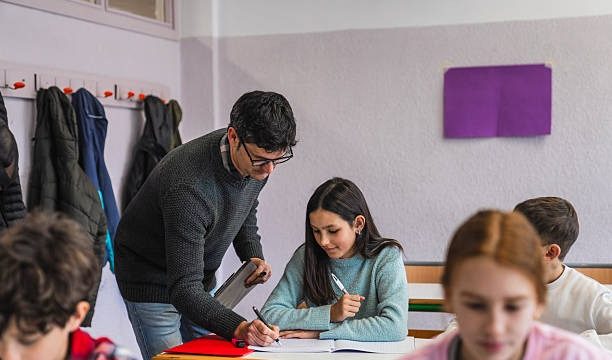
Incorporating consistent formative assessments into the daily routine can be as simple as asking students to articulate what they have learned at the end of a lesson or encouraging them to set personal learning goals. These moments of reflection allow students to process their experiences, celebrate their successes, and identify areas for growth. By making this practice a regular part of the classroom culture, educators create an environment where reflection becomes second nature.
Another essential aspect of formative assessment is the feedback loop it creates. Feedback, when delivered thoughtfully and constructively, can be a powerful catalyst for growth. It offers students insights into their strengths and weaknesses, guiding them toward the next steps in their learning journey. The key lies in the approach—feedback should be specific, actionable, and supportive. This way, students can see their progress and understand how to improve, reinforcing their ability to reflect on their learning.
As students engage in self-assessment, they develop a deeper understanding of their learning processes. This practice encourages them to ask questions such as, “What strategies worked for me?” or “How can I approach this differently next time?” Such inquiries cultivate a mindset of continuous improvement, allowing students to take ownership of their learning. The more they reflect, the more adept they become at recognizing their learning patterns and preferences.
Creating opportunities for peer feedback can also enhance the reflective learning experience. When students share their thoughts and insights with one another, they gain diverse perspectives that enrich their understanding. This collaboration fosters a sense of community within the classroom, where learners feel supported and valued. As they engage in discussions about their work and the work of their peers, students learn to articulate their thoughts more clearly and listen actively, skills that are invaluable both in and out of the classroom.
Cultivating a reflective mindset is not solely about academic achievements; it extends to personal growth and emotional intelligence. Formative assessment encourages students to reflect on their feelings, motivations, and challenges. By creating a safe space for these reflections, educators can help students develop resilience and adaptability. These qualities are essential in navigating the complexities of life beyond the classroom.
As we consider the role of formative assessment in developing reflective learners, it is also important to acknowledge the role of educators themselves. Teachers who model reflective practices inspire their students to do the same. When educators take time to reflect on their teaching methods, successes, and areas for improvement, they create a culture of growth that resonates with their students. This shared journey of reflection fosters an environment where learning is celebrated as a dynamic process rather than a fixed destination.
Incorporating technology into formative assessment can further enhance the reflective learning experience. Digital tools can facilitate immediate feedback, allowing students to engage with their learning in real-time. Online platforms can provide spaces for students to journal their thoughts, share insights, and collaborate with peers. These resources can make reflection more accessible and engaging, catering to various learning styles and preferences.
As we embrace the transformative potential of formative assessment, it is essential to remember that reflection is a lifelong journey. The skills and habits cultivated through consistent formative assessment extend far beyond the classroom walls. They prepare students to navigate the complexities of their futures with confidence, curiosity, and resilience. By nurturing reflective learners, we are equipping them with the tools to thrive in an ever-changing world.
In conclusion, developing reflective learners through consistent formative assessment is a holistic approach that enriches the educational experience. It empowers students to take charge of their learning, fostering a sense of agency and responsibility. As we continue to explore and implement these practices, we move closer to creating an educational landscape that values growth, collaboration, and lifelong learning. Embracing this journey together can lead to profound transformations, not only in our classrooms but in the lives of our students as they embark on their own unique paths.