In recent years, the conversation around education has evolved significantly, with a growing emphasis on the importance of authenticity.
As educators, parents, and communities, we are increasingly recognizing that fostering authentic voices within educational settings not only enriches the learning experience but also nurtures a sense of belonging and purpose among students.
This journey towards encouraging genuine self-expression can be transformative, creating an environment where students feel valued and empowered to share their unique perspectives.
Creating a welcoming environment
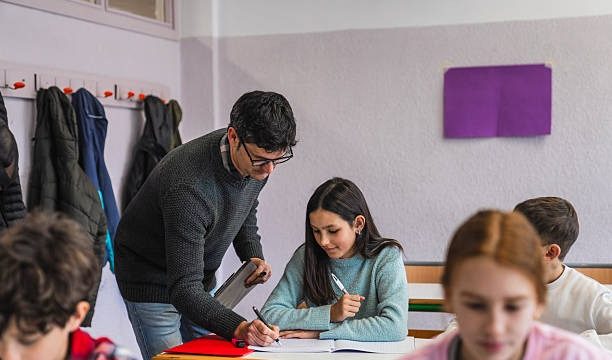
To encourage authentic voices in education, it’s essential to create a welcoming environment that celebrates individuality. This begins with building strong relationships between teachers and students. When educators take the time to understand their students’ backgrounds, interests, and experiences, they lay the foundation for a supportive atmosphere. Students are more likely to express themselves when they feel seen and heard, and this connection fosters trust and openness.
Incorporating diverse perspectives is also vital. A curriculum that reflects the myriad cultures, histories, and viewpoints present in the classroom encourages students to share their own stories. By integrating literature, art, and history from a wide range of voices, educators can create a rich tapestry of learning that resonates with each student. This not only validates their experiences but also broadens the understanding of their peers, fostering empathy and respect.
The power of storytelling
Storytelling is a powerful tool in encouraging authentic voices. When students are given the opportunity to share their narratives—whether through writing, oral presentations, or creative projects—they engage in a process of self-discovery. This act of sharing can be both liberating and empowering. It allows students to reflect on their experiences, articulate their feelings, and connect with others on a deeper level.
In the classroom, educators can facilitate storytelling by providing prompts that encourage reflection. Simple questions like, “What is a moment that changed your perspective?” or “Describe a time when you felt proud of who you are,” can inspire students to delve into their own lives. These prompts not only invite vulnerability but also create a safe space for dialogue, where students can learn from one another’s experiences.
Encouraging collaboration
Collaboration is another key aspect of fostering authentic voices. When students work together on projects, they learn to appreciate different viewpoints and skills. Group work promotes active listening and encourages students to express their thoughts while considering the ideas of others. This dynamic not only enhances their communication skills but also cultivates a sense of community.
Educators can encourage collaboration by designing group activities that require students to share their strengths. For example, a project that allows students to explore a topic of interest together can lead to rich discussions and a deeper understanding of the subject matter. This approach not only validates each student’s contributions but also reinforces the idea that everyone has something valuable to offer.
Nurturing emotional intelligence
Emotional intelligence plays a significant role in encouraging authentic voices in education. When students develop the ability to understand and manage their emotions, they become more adept at expressing themselves in a constructive manner. Educators can support this growth by incorporating social-emotional learning into the curriculum. By teaching students to recognize their feelings and the feelings of others, we cultivate an environment where open communication thrives.
Activities that promote self-awareness, such as journaling or mindfulness exercises, can help students process their emotions and articulate their thoughts more clearly. When students learn to navigate their feelings, they are more likely to engage authentically with their peers and teachers. This emotional literacy creates a foundation for meaningful conversations, allowing students to voice their opinions and concerns with confidence.
Modeling authenticity
Teachers play a pivotal role in modeling authenticity. When educators share their own experiences and vulnerabilities, they demonstrate that it’s okay to be imperfect and human. This openness can inspire students to embrace their own authenticity. By sharing personal stories, educators create a connection that encourages students to feel comfortable doing the same.
Moreover, when teachers acknowledge their own learning journeys, they reinforce the idea that education is a lifelong process. This perspective encourages students to approach their own learning with curiosity and resilience. When they see their educators embracing challenges and celebrating growth, they are more likely to adopt a similar mindset.
A small shift toward balance
As we strive to encourage authentic voices in education, it’s important to remember that this journey requires patience and commitment. It’s not about creating a perfect environment but rather fostering a culture of acceptance and understanding. Small shifts in practice can lead to significant changes over time.
For instance, incorporating regular check-ins with students can provide valuable insights into their thoughts and feelings. These moments create opportunities for dialogue and allow educators to adjust their approach based on student needs. By being responsive and adaptable, teachers can cultivate an environment where students feel empowered to express themselves.
Ultimately, the goal of encouraging authentic voices in education is to create a space where every student feels valued and heard. This journey is about embracing diversity, fostering connection, and nurturing the unique qualities that each individual brings to the table. As we work together to build this supportive environment, we not only enrich the educational experience but also prepare students to navigate the world with confidence and compassion.
In this age of connection and understanding, let us champion the power of authentic voices in education. By nurturing these voices, we pave the way for a brighter future—one where every student feels empowered to share their story and contribute to the collective narrative of our communities.