Reflective learning is a journey of self-discovery that can significantly enhance our critical thinking skills.
In a world filled with information, the ability to think critically is more important than ever.
It empowers us to analyze situations, make informed decisions, and approach problems with a thoughtful mindset. By embracing reflective learning, we can cultivate a deeper understanding of ourselves and the world around us, ultimately leading to sharper critical thinking skills.
At its core, reflective learning encourages us to take a step back and evaluate our experiences. This process isn’t just about recalling what happened; it involves examining our thoughts, feelings, and reactions to those experiences. By doing so, we create a space for growth and understanding. It’s like holding up a mirror to our minds, allowing us to see not only our successes but also our challenges and areas for improvement.
One of the first steps in reflective learning is to engage in self-questioning. This might feel uncomfortable at first, but it is a crucial part of the process. Asking ourselves questions such as “What did I learn from this experience?” or “How did my feelings influence my decisions?” can lead to significant insights. These questions encourage us to dig deeper into our thought processes, fostering a habit of critical analysis. Over time, this practice strengthens our ability to assess situations from multiple angles, a key component of critical thinking.
As we engage in reflective learning, we also develop a habit of mindfulness. Mindfulness involves being present and fully engaged in the moment, which can enhance our awareness of our thoughts and emotions. When we are mindful, we are more likely to notice patterns in our thinking and behavior. This awareness allows us to identify biases or assumptions that may cloud our judgment. By recognizing these influences, we can approach problems more objectively, thereby improving our critical thinking capabilities.
Another important aspect of reflective learning is the ability to connect theoretical knowledge with practical experience. Critical thinking often requires us to apply what we know in real-world situations. Through reflection, we can bridge the gap between theory and practice. For instance, after completing a project at work, taking the time to reflect on what went well and what could have been done differently allows us to integrate our knowledge with practical skills. This not only enhances our understanding but also prepares us for future challenges.
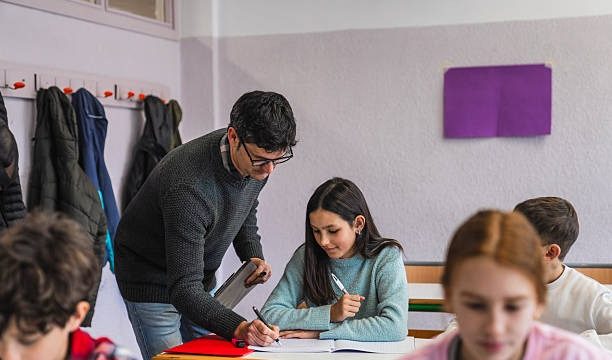
In the realm of education, reflective learning plays a crucial role in developing critical thinking skills among students. Educators who encourage reflective practices create an environment where students feel safe to express their thoughts and feelings. This openness fosters a culture of inquiry, where questioning and exploration are valued. As students reflect on their learning experiences, they become more adept at evaluating information, making connections, and forming reasoned conclusions.
Reflective learning also nurtures emotional intelligence, which is closely linked to critical thinking. Understanding our emotions and those of others can significantly impact our decision-making processes. When we reflect on our interactions and responses, we gain insights into how emotions influence our thinking. This awareness allows us to navigate complex social situations with greater empathy and understanding, leading to more thoughtful decisions.
The practice of journaling can be a powerful tool in the journey of reflective learning. Writing down our thoughts and feelings provides an outlet for self-expression and a space for contemplation. As we articulate our experiences on paper, we can better organize our thoughts and identify patterns. Journaling encourages us to slow down and reflect, promoting a deeper level of critical thinking. It’s a gentle reminder to pause and consider the lessons that each experience brings.
Creating a supportive community can also enhance our reflective learning process. Engaging in discussions with friends, family, or colleagues about our experiences can provide new perspectives and insights. When we share our reflections, we invite others to contribute their thoughts, enriching our understanding of the topic at hand. This collaborative approach not only fosters critical thinking but also strengthens our connections with others.
As we delve deeper into reflective learning, we may find that it encourages a growth mindset. Embracing the idea that our abilities can be developed through dedication and hard work opens the door to continuous improvement. Reflective practices remind us that mistakes are not failures but rather opportunities for learning. This shift in perspective fosters resilience, allowing us to approach challenges with curiosity rather than fear.
Ultimately, the journey of reflective learning is a personal one. It invites us to explore our thoughts and experiences with kindness and curiosity. By dedicating time to reflect, we cultivate a deeper understanding of ourselves and the world around us, enhancing our critical thinking skills in the process. This journey is not about perfection; it is about growth and self-discovery.
In a fast-paced world where decisions often need to be made quickly, reflective learning offers a counterbalance. It encourages us to pause, consider, and analyze before reacting. This thoughtful approach not only improves our critical thinking but also enriches our lives. By integrating reflective practices into our daily routines, we can navigate the complexities of life with greater clarity and confidence.
As we embark on this journey of reflective learning, let us remember that every experience is an opportunity for growth. Each reflection brings us closer to understanding ourselves and the world around us. By embracing this practice, we not only enhance our critical thinking skills but also cultivate a more meaningful and fulfilling life.