In today’s fast-paced world, the ability to think critically is more important than ever, especially for students navigating their academic journeys.
Critical thinking is not just a skill; it’s a powerful tool that can transform the way we learn, understand, and engage with the world around us.
By honing this skill, students can unlock new dimensions of academic growth, leading to a more enriching educational experience.
Understanding critical thinking involves recognizing it as a process of evaluating information and ideas. It’s about asking questions, challenging assumptions, and seeking clarity. In a classroom filled with diverse perspectives, critical thinking encourages students to explore beyond the surface, fostering a deeper understanding of subjects. This exploration can lead to innovative ideas and unique solutions, igniting a passion for learning that can last a lifetime.
The journey of academic growth through critical thinking begins with curiosity. When students approach their studies with an inquisitive mindset, they become active participants rather than passive recipients of information. This shift is subtle yet profound. Instead of merely memorizing facts, they start to connect the dots, seeing relationships among concepts that might have seemed unrelated at first. This engagement not only enhances comprehension but also nurtures a love for learning that can transcend the classroom.
As students cultivate their critical thinking skills, they also develop a sense of autonomy. They learn to trust their judgment and make informed decisions based on evidence and reasoning. This independence is not just beneficial academically; it spills over into other areas of life, encouraging individuals to become more discerning consumers of information. In an age where misinformation is rampant, the ability to critically evaluate sources and arguments is invaluable.
A gentle shift toward balance can also be observed in the way students approach challenges. Instead of viewing obstacles as insurmountable, critical thinking empowers them to analyze problems from multiple angles. This multifaceted approach fosters resilience, allowing students to adapt and find solutions even when faced with setbacks. The ability to navigate through difficulties enhances their confidence, further propelling their academic growth.
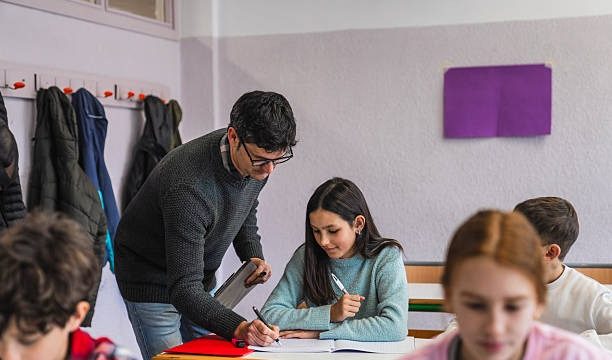
Moreover, critical thinking encourages collaboration. In group projects or discussions, students are often called upon to share their viewpoints and listen to others. This exchange of ideas not only broadens their perspectives but also teaches them the importance of empathy and open-mindedness. By engaging with peers, they learn to appreciate diverse opinions, which can lead to richer discussions and more comprehensive understanding of complex topics.
Incorporating critical thinking into everyday academic activities can be as simple as asking the right questions. Instead of waiting for answers, students can challenge themselves to dig deeper. Questions like “Why is this important?” or “What evidence supports this idea?” can guide their exploration. This practice nurtures a habit of inquiry that is essential for lifelong learning. The beauty lies in the fact that critical thinking is not confined to any particular subject; it is a universal skill that enhances all areas of study, from literature to science.
As students embrace critical thinking, they often find themselves more engaged in their studies. The act of questioning and analyzing transforms learning into an interactive experience. This engagement can lead to better retention of information and a deeper appreciation for the subject matter. When students are genuinely interested in what they are learning, they are more likely to excel academically and beyond.
The impact of critical thinking extends beyond the classroom walls. It shapes how students approach life’s challenges and decisions. Whether evaluating a news article, engaging in a debate, or making personal choices, the ability to think critically becomes a guiding principle. This skill fosters a sense of agency, empowering individuals to navigate their paths with confidence and clarity.
For educators, fostering an environment that encourages critical thinking is essential. Classrooms that prioritize discussion, exploration, and questioning create a culture of learning that values curiosity and creativity. Teachers can inspire students by modeling critical thinking in their own discussions, demonstrating how to approach problems thoughtfully and collaboratively.
As students embark on their academic journeys, the power of critical thinking can be a beacon guiding them toward success. It nurtures a mindset that values inquiry, promotes resilience, and encourages collaboration. In a world that constantly evolves, the ability to think critically prepares students not just for exams, but for life itself.
In conclusion, the journey of academic growth is profoundly enriched by the practice of critical thinking. By embracing curiosity, fostering independence, and encouraging collaboration, students can unlock their potential and navigate their educational paths with confidence. This critical engagement not only enhances their academic experience but also equips them with the tools they need to thrive in an increasingly complex world. As we cultivate these skills, we pave the way for a future filled with informed thinkers and compassionate leaders, ready to face the challenges of tomorrow.