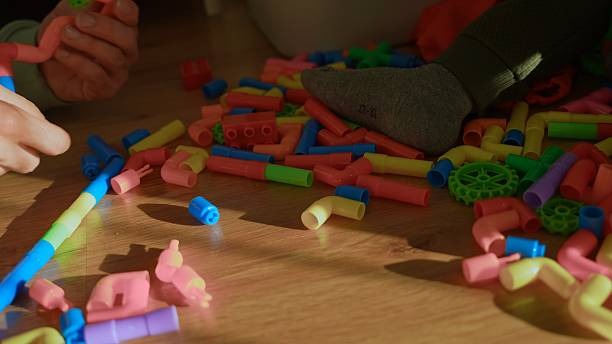
Creating a consistent experimental environment can be a transformative journey, not just for those deeply immersed in scientific pursuits but also for anyone looking to cultivate a space that fosters creativity, curiosity, and personal growth.
Whether you’re a seasoned researcher, a budding artist, or simply someone who enjoys exploring new ideas, establishing a harmonious environment can significantly enhance your experience and outcomes.
A gentle approach to space
The first step in crafting this experimental environment is to consider the physical space you are working in.
It’s essential to create an area that feels inviting and conducive to exploration. This doesn’t mean you need a state-of-the-art laboratory or an elaborate studio; rather, it’s about making the space work for you.
Take a moment to assess your current surroundings. Are they cluttered or chaotic? If so, a little tidying up can go a long way. Clear surfaces, organize materials, and create a layout that feels open and accessible. Consider soft lighting, comfortable seating, and even the addition of plants to bring a touch of nature indoors. These elements can help foster a sense of calm and focus, making it easier to dive into your experiments.
Finding a rhythm
Once your space is set, think about the rhythm of your work. Establishing a routine can be incredibly beneficial in creating consistency. This doesn’t mean you have to adhere to a strict schedule; instead, find a flow that suits you.
You might choose to dedicate specific times of day for experimentation, allowing your mind to anticipate and prepare for these moments. Alternatively, you could embrace spontaneity, letting inspiration guide you to your workspace when the mood strikes. The key is to find a balance that encourages regular engagement without feeling burdensome.
Cultivating a mindset
A consistent experimental environment is not solely about the physical aspects; it’s also about nurturing the right mindset. Approach your experiments with curiosity and openness. Allow yourself to make mistakes, as these are often the stepping stones to discovery. Embrace the idea that the process is just as important as the outcome.
Mindfulness can play a significant role here. Taking a moment to breathe deeply or meditate before diving into your work can help center your thoughts and clear your mind. This practice can enhance your focus and creativity, allowing you to engage more fully with your experiments.
Embracing collaboration
Another way to enrich your experimental environment is by inviting collaboration. Engaging with others can introduce fresh perspectives and ideas that you may not have considered. This can be particularly valuable in creative endeavors, where brainstorming sessions can spark innovation and lead to exciting new directions.
Consider reaching out to friends, colleagues, or even online communities. Sharing your goals and inviting feedback can foster a sense of connection and support, enhancing your journey. Whether you’re working on a scientific project, artistic endeavor, or personal exploration, collaboration can breathe new life into your work.
Creating a feedback loop
As you immerse yourself in your experiments, it’s important to establish a feedback loop. This can involve reflecting on your experiences and assessing what is working and what isn’t. Keeping a journal can be a helpful tool in this process. Document your thoughts, feelings, and observations as you navigate your experiments.
This practice not only helps you track your progress but also allows you to recognize patterns and adjust your approach as needed. Over time, you may find that certain methods or environments resonate more with you, guiding you toward a more refined and effective experimental process.
Nurturing your passions
In the midst of creating a consistent experimental environment, don’t forget to nurture your passions. Allow your interests to guide you, and explore topics that genuinely excite you. This intrinsic motivation can fuel your creativity and make the process feel less like a chore and more like a joyful exploration.
If you find yourself feeling stuck or uninspired, revisit the activities that originally sparked your interest. Sometimes, taking a step back and reconnecting with your passion can reignite your enthusiasm and lead to unexpected breakthroughs.
A small shift toward balance
While consistency is important, it’s equally essential to remain flexible. Life can be unpredictable, and sometimes our schedules or inspirations may shift. Embrace this ebb and flow and allow your experimental environment to adapt along with you.
Recognizing when to take a break is just as crucial as diving into your work. Allowing yourself moments of rest can rejuvenate your mind and spirit, ultimately enhancing your productivity when you return to your experiments.
Incorporating playfulness
Finally, infuse a sense of playfulness into your experimental environment. Experimentation should be a joyful process, filled with discovery and wonder. Allow yourself to explore without the pressure of perfection. Try new techniques, play with different materials, or venture into unfamiliar territories.
This playful attitude can lead to unexpected insights and innovations, transforming your experiments into delightful adventures. Remember, the journey is just as important as the destination, and embracing play can make the process all the more rewarding.
In conclusion, creating a consistent experimental environment is about more than just the physical space; it encompasses your mindset, routine, collaborations, and overall approach to exploration. By fostering a nurturing and flexible atmosphere, you can cultivate a space that not only inspires creativity but also encourages personal growth. Embrace the journey, allow yourself to experiment freely, and enjoy the delightful discoveries that await you.