In today’s fast-paced world, emotional wellness has become an essential aspect of our lives, especially for children.
As parents, caregivers, and educators, we have the opportunity to guide the younger generation toward understanding and managing their emotions.
By helping children learn about emotional wellness, we can equip them with the tools they need to navigate life’s challenges with resilience and grace.
Creating a safe space for emotional expression is the first step in nurturing emotional wellness in children. It’s important that children feel comfortable sharing their feelings without fear of judgment. You might find it helpful to create an open dialogue at home, where feelings can be discussed openly and honestly. This can be as simple as asking your child how their day was and encouraging them to express not only what happened but how they felt about it. By actively listening and validating their experiences, you show them that their emotions matter.
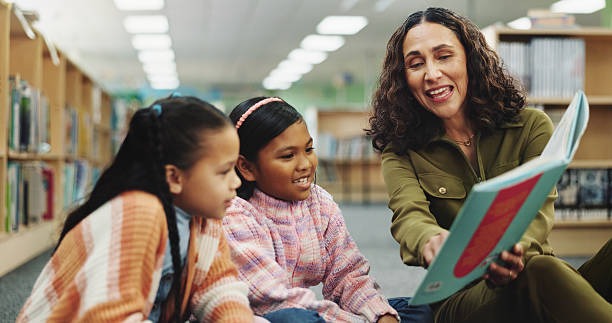
Understanding emotions is a journey that begins with identification. Children often experience a wide range of feelings but might struggle to articulate them. Introducing them to basic emotions—happiness, sadness, anger, fear, and surprise—can be a gentle starting point. Using storybooks or animated films can be an engaging way to explore these emotions. When characters in a story express their feelings, it opens up a conversation with your child about similar experiences they might have had. This not only helps in recognizing emotions but also fosters empathy as they learn to see things from another’s perspective.
As children begin to identify their emotions, teaching them healthy coping mechanisms becomes crucial. Emotional literacy isn’t just about recognizing feelings; it’s also about learning how to manage them. Simple techniques like deep breathing, counting to ten, or even stepping away from a situation when they feel overwhelmed can be beneficial. You might practice these techniques together during calm moments, so when emotions run high, they have tools to draw upon.
Another important aspect of emotional wellness is resilience. Life is full of ups and downs, and helping children develop a sense of resilience can empower them to face challenges head-on. Encourage them to reflect on past obstacles they have overcome, no matter how small. This practice can instill a sense of confidence in their ability to tackle future difficulties. Remind them that it’s okay to stumble and that setbacks are a natural part of growth. Sharing stories from your own life where you faced challenges can also help them see that everyone experiences tough times.
A small shift toward balance can also be achieved through mindfulness practices. Teaching children to be present in the moment can help them manage anxiety and stress. Mindfulness can be as simple as taking a few moments to observe their surroundings, focusing on their breath, or even engaging in a calming activity like coloring or nature walks. These practices can help them cultivate a sense of peace and clarity in their daily lives.
Encouraging social connections is another vital component of emotional wellness. Building healthy relationships with peers can provide children with a support system that is invaluable. Organizing playdates or group activities can help them develop social skills while creating bonds with others. These connections can serve as a safe haven during tough times, allowing them to share their feelings and experiences with friends who may be experiencing similar challenges.
As children grow, they will inevitably encounter various stressors, from academic pressures to social dynamics. Helping them develop a strong sense of self can act as a protective factor against these pressures. Encourage them to pursue their interests and hobbies, whether it’s sports, art, or music. Supporting their passions not only boosts their self-esteem but also allows them to express themselves creatively. It’s important for children to know that their worth isn’t tied to external achievements but rather to who they are as individuals.
Being a role model is perhaps one of the most impactful ways to teach emotional wellness. Children learn by observing the adults in their lives. By demonstrating healthy emotional practices—such as expressing your own feelings, managing stress constructively, and showing kindness and empathy—you set a powerful example. Sharing your own emotional experiences and how you cope with them can normalize these discussions and help your child feel more comfortable navigating their own emotions.
As we navigate the complexities of modern life, making emotional wellness a priority for our children can have lasting effects. By creating safe spaces for expression, teaching coping strategies, fostering resilience, and encouraging social connections, we lay down the foundation for emotionally intelligent individuals. This journey is not just about helping children manage their emotions; it’s about empowering them to thrive in a world that is often unpredictable.
In conclusion, nurturing emotional wellness in children is a beautiful and rewarding endeavor. It requires patience, understanding, and a willingness to engage in meaningful conversations. By embracing this journey together, we can help the next generation navigate their feelings with confidence and compassion, ultimately leading to a more emotionally aware and resilient society.