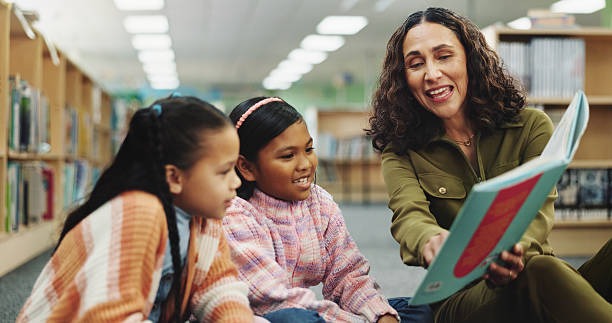
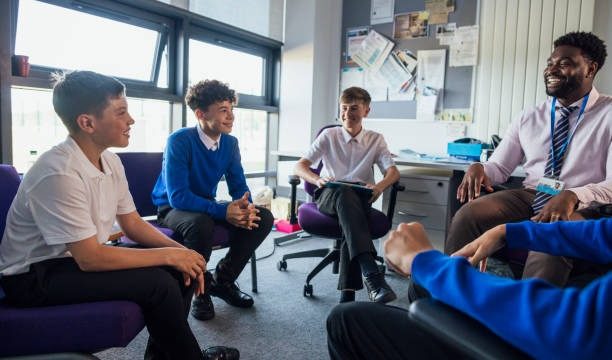
Creating an engaging classroom environment is essential for fostering student participation and enhancing the overall learning experience.
While traditional methods of teaching have their place, incorporating creative student projects can breathe new life into classroom dynamics.
These projects not only encourage collaboration and communication but also allow students to express themselves in unique ways.
Let’s explore some innovative ideas that can help improve classroom participation.
A gentle nudge towards collaboration
One effective way to boost participation is through collaborative projects. When students work together, they learn to value different perspectives and ideas. For example, a group project focused on local history can encourage students to research their community, interview residents, and present their findings. This approach not only deepens their understanding of the subject but also fosters teamwork. Students feel more invested in their work when they know their contributions matter to the group.
In addition to enhancing collaboration, these projects can help students develop essential skills such as communication and problem-solving. By working in teams, they learn to articulate their thoughts, listen actively, and navigate challenges together. This sense of shared responsibility can create a vibrant classroom atmosphere where everyone feels empowered to participate.
Fostering creativity through arts integration
Integrating the arts into classroom projects can also invigorate student participation. When students have the opportunity to express themselves creatively, they often become more engaged and willing to share their ideas. For instance, a project that combines science and art could involve creating a visual representation of a scientific concept, such as the water cycle or the solar system. Students could use various materials—paints, clay, or even digital tools—to bring their ideas to life.
This approach not only encourages creativity but also helps students connect with the material on a deeper level. They might find that they are more willing to participate in class discussions when they feel a personal connection to the subject matter. By celebrating their artistic expressions, teachers can create a welcoming environment that invites all voices to be heard.
Exploring the world beyond textbooks
Another way to enhance classroom participation is by incorporating real-world issues into student projects. When students see the relevance of what they are learning, they are more likely to engage with the material. For example, a project focused on climate change could encourage students to research its effects on their local environment and propose solutions. This not only helps them apply their knowledge but also empowers them to make a difference in their community.
By connecting classroom learning to real-life situations, students can develop a sense of agency. This feeling of empowerment can lead to increased participation, as they become more passionate about the topics they are studying. Encouraging students to voice their opinions and brainstorm solutions fosters a culture of dialogue and inquiry, which is essential for a thriving classroom environment.
Embracing technology for enhanced engagement
In today’s digital age, integrating technology into student projects can also play a crucial role in boosting participation. Many students are naturally drawn to technology, and using it as a tool for learning can make the classroom experience more exciting. For instance, creating a multimedia presentation or a podcast can allow students to explore topics in-depth while honing their technical skills.
Technology can also facilitate collaboration among students, especially if they are working on projects outside of the classroom. Online platforms can provide spaces for discussion, brainstorming, and feedback, encouraging students to stay engaged even when they are not physically together. By embracing these modern tools, educators can create a dynamic learning environment that resonates with today’s learners.
Encouraging reflection through personal projects
Personal projects can be a powerful way to enhance classroom participation, as they allow students to delve into topics that resonate with them individually. Encouraging students to choose their subjects can spark enthusiasm and a desire to share their findings with peers. For example, a project where students explore their cultural heritage or a passion for a specific hobby can lead to meaningful presentations that invite discussion.
When students share their personal stories and interests, it fosters a sense of community within the classroom. Their peers may discover common interests or gain new insights, leading to richer conversations and deeper connections. This kind of engagement can create a supportive atmosphere where everyone feels valued and encouraged to participate.
Creating a safe space for sharing ideas
To improve classroom participation, it’s essential to cultivate a safe and inclusive environment where students feel comfortable expressing themselves. Establishing ground rules for respectful dialogue and encouraging active listening can help foster a culture of support. When students know that their opinions will be valued, they are more likely to share their thoughts and engage in discussions.
Moreover, providing opportunities for students to reflect on their learning experiences can enhance participation. Journals or reflection sessions can allow students to process their thoughts and feelings about their projects, leading to greater self-awareness and confidence in sharing their ideas with the class.
The beauty of student-led discussions
Finally, consider integrating student-led discussions as a way to enhance participation. Allowing students to take the reins in leading conversations about their projects can empower them to share their insights and learn from one another. This approach not only encourages active participation but also develops leadership skills.
Creating a space where students can guide discussions can lead to unexpected discoveries and deeper learning. It allows them to take ownership of their education, fostering a sense of pride and investment in their contributions. As they learn from their peers, the classroom becomes a collaborative learning community, where every voice matters.
In conclusion, improving classroom participation can be achieved through thoughtful and engaging student projects. By fostering collaboration, encouraging creativity, connecting learning to real-world issues, integrating technology, supporting personal exploration, creating safe spaces, and promoting student-led discussions, educators can cultivate an environment where every student feels empowered to participate. These projects not only enrich the learning experience but also help students develop essential skills that will serve them well beyond the classroom. Embracing these approaches can lead to a more vibrant and inclusive educational journey for everyone involved.