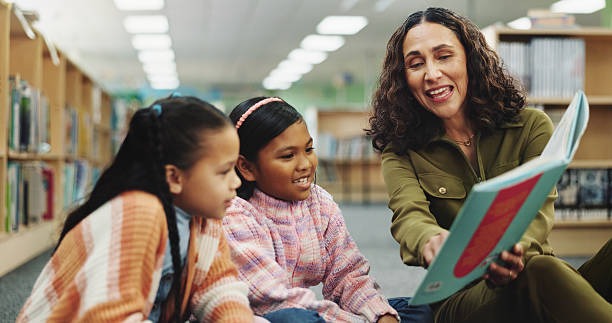
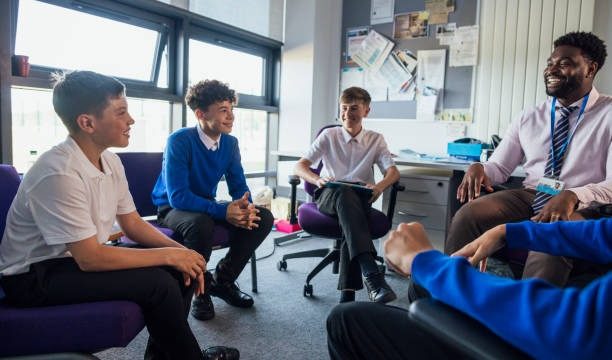
In today’s educational landscape, student projects are emerging as a powerful tool for empowering young learners.
Far beyond the traditional confines of textbooks and lectures, these projects invite students to engage with their surroundings, explore their interests, and develop essential life skills.
This gentle shift in focus from rote learning to experiential understanding is nurturing a generation of innovators, thinkers, and problem-solvers.
Exploring passions through creativity
One of the most beautiful aspects of student projects is the opportunity for creativity. When students are encouraged to explore their passions, they often find themselves immersed in a world of imagination and innovation. Whether it’s a science experiment, an art installation, or a community service initiative, these projects allow students to express themselves in ways that resonate deeply with their individual interests.
Consider a group of middle school students who decide to create a community garden. This project not only teaches them about plant biology and ecology but also fosters collaboration and responsibility. As they dig in the soil, plant seeds, and watch their efforts blossom, they learn valuable lessons about patience, teamwork, and the rewards of hard work. Such experiences are invaluable, as they help students develop a sense of ownership and pride in their accomplishments.
Learning through collaboration
Collaboration is another cornerstone of effective student projects. When young learners come together to tackle a common goal, they cultivate skills that extend far beyond the classroom. Working in teams encourages communication, negotiation, and compromise, all of which are essential in today’s interconnected world.
Imagine a classroom where students are divided into small groups to solve a real-world problem, such as reducing plastic waste in their school. Each group can brainstorm solutions, research best practices, and present their findings to the class. This not only empowers students to take initiative but also allows them to learn from one another’s perspectives. The dynamic of collaboration fosters a sense of community and belonging, making education feel more relevant and engaging.
Building confidence through challenges
Student projects often present challenges, which can be a vital part of the learning process. When faced with obstacles, young learners develop resilience and problem-solving skills that will serve them well throughout their lives. For instance, a high school robotics team might encounter technical difficulties while building their robot for a competition. Instead of giving up, they learn to troubleshoot, adapt, and innovate. This experience not only builds their technical skills but also boosts their confidence in their ability to overcome difficulties.
Moreover, the sense of accomplishment that comes from successfully navigating challenges cannot be overstated. When students see their hard work pay off, whether it’s through a successful presentation, a functioning robot, or a community event, they gain a deeper understanding of their capabilities. This newfound confidence often spills over into other areas of their lives, encouraging them to take on new challenges with a positive attitude.
Connecting with the community
One of the most rewarding aspects of student projects is their potential to connect learners with their communities. Engaging with local organizations, businesses, or environmental initiatives allows students to apply their knowledge in meaningful ways. A project that involves volunteering at a local shelter or organizing a charity drive not only benefits the community but also instills a sense of civic responsibility in young people.
By participating in these initiatives, students gain a broader perspective on the world around them. They learn about social issues, cultural diversity, and the importance of empathy. These experiences can inspire a lifelong commitment to service and a desire to make a difference, empowering them to be active and informed citizens.
Fostering critical thinking and innovation
In a rapidly changing world, critical thinking and innovation are more important than ever. Student projects encourage learners to ask questions, think critically, and explore solutions. This process of inquiry helps students develop analytical skills that are applicable across various disciplines.
For example, a student-led project focused on renewable energy sources can spark curiosity about science, technology, and environmental sustainability. As students research different energy solutions, they learn to evaluate information, consider multiple viewpoints, and think creatively about how to implement their ideas. This type of project not only enriches their academic experience but also equips them with the skills needed to navigate complex issues in the future.
Creating lasting memories
Beyond the academic benefits, student projects often create lasting memories and friendships. The bonds formed during collaborative efforts can lead to a supportive network that extends beyond the classroom. As students work side by side, they share laughter, challenges, and triumphs, creating a sense of camaraderie that enriches their school experience.
These shared memories can become cherished stories that students carry with them long after they leave school. The teamwork, creativity, and resilience they develop through these projects shape not only their educational journey but also their personal growth. They learn that learning can be fun, impactful, and deeply fulfilling.
A gentle invitation to explore
As we reflect on the power of student projects, it becomes clear that they offer a gentle invitation to explore, engage, and empower. By stepping outside traditional learning methods, students can discover their passions, connect with their communities, and develop essential life skills. In this ever-evolving educational landscape, fostering opportunities for young learners to take charge of their learning journey is vital.
In conclusion, student projects are more than just assignments; they are transformative experiences that empower young learners to reach their full potential. By nurturing creativity, collaboration, and critical thinking, we can inspire the next generation to become confident, compassionate, and capable individuals. As educators, parents, and community members, let us continue to support and celebrate these initiatives, knowing that they play a crucial role in shaping the leaders of tomorrow.