In the journey of education, students often find themselves navigating a myriad of projects that not only contribute to their grades but also play a significant role in shaping their future.
While traditional learning focuses on theoretical knowledge, engaging in hands-on projects can cultivate essential skills that foster personal growth and prepare students for the complexities of the real world.
Exploring the world of student projects opens up a realm of possibilities, where creativity and collaboration come together to build a foundation for lifelong learning.
These projects can take many forms, from simple classroom assignments to elaborate community initiatives, but they all share a common thread: the potential to develop skills that extend far beyond the classroom walls.
One of the most valuable skills students can gain through project work is effective communication. Whether it’s presenting findings to classmates or collaborating with peers, the ability to express ideas clearly and listen actively is crucial in any setting. Group projects, in particular, provide a unique opportunity for students to practice articulating their thoughts while also learning to appreciate diverse perspectives. This exchange of ideas not only enhances their understanding of the subject matter but also fosters an environment of respect and teamwork.
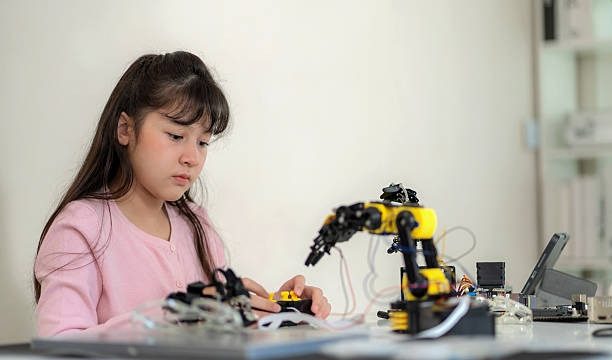
As students delve into project-based learning, they often find themselves in situations that require critical thinking and problem-solving. Real-world challenges rarely present themselves in a straightforward manner, and students must learn to navigate ambiguity and complexity. By tackling problems collaboratively, they develop the ability to analyze situations from multiple angles, weigh potential solutions, and make informed decisions. This skill set is invaluable, equipping them to handle challenges they may encounter in both academic and professional contexts.
Creativity is another essential skill that flourishes through student projects. Whether designing a poster for a science fair or developing a marketing plan for a school event, students are encouraged to think outside the box. They learn to approach tasks with an open mind, exploring innovative solutions that may not be immediately apparent. This creative thinking is not only enjoyable but also prepares students for a world that increasingly values originality and adaptability.
In addition to honing their communication and problem-solving abilities, students also gain a sense of responsibility and accountability through project work. When assigned a project, students must manage their time, resources, and commitments effectively. This experience teaches them the importance of setting goals, meeting deadlines, and following through on their promises. Such skills are essential as they transition into adulthood, where personal and professional responsibilities demand a high level of organization and dependability.
A gentle shift towards collaboration is another key aspect of student projects. Working with others requires students to navigate group dynamics, negotiate roles, and compromise when necessary. This collaborative spirit not only enhances their interpersonal skills but also builds a sense of community. Students learn to celebrate each other’s strengths and support one another through challenges, fostering friendships and connections that can last a lifetime.
As they engage in various projects, students also have the opportunity to explore their interests and passions. Whether it’s a science experiment that sparks a love for biology or a community service project that ignites a desire to help others, these experiences can shape their future aspirations. When students are encouraged to pursue what excites them, they are more likely to take ownership of their education and feel motivated to learn.
Moreover, many projects encourage students to engage with their local communities, providing a sense of purpose and connection. Community-based projects can range from environmental clean-ups to volunteering at local shelters, and they allow students to see the impact of their efforts firsthand. This involvement instills a sense of civic responsibility, encouraging them to become active participants in society.
In navigating the complexities of project work, students also learn the importance of resilience. Not every project will go as planned, and setbacks are a natural part of the learning process. When faced with challenges, students develop a growth mindset, recognizing that mistakes are opportunities for learning rather than failures. This resilience will serve them well in all areas of life, empowering them to approach difficulties with confidence and determination.
As we reflect on the myriad benefits of student projects, it becomes clear that these experiences are much more than mere assignments. They are opportunities for students to cultivate essential skills that will accompany them throughout their lives. By engaging in projects that encourage communication, creativity, collaboration, and resilience, students are not only preparing for academic success but also for the complexities of adulthood.
In a world that is constantly evolving, the ability to adapt and grow is more important than ever. Student projects serve as a gentle reminder that education is not confined to textbooks and lectures; it is a dynamic journey filled with exploration and discovery. As students take on these challenges, they are building a toolkit of skills that will empower them to navigate the future with confidence and grace.
Ultimately, the memories created and lessons learned through student projects are invaluable. They foster a sense of belonging, ignite passions, and encourage personal growth. As students embark on this journey, they may find that the skills they develop extend far beyond the classroom, enriching their lives in ways they never imagined. So, as they dive into their next project, they should embrace the process, knowing that each step brings them closer to becoming the well-rounded individuals they aspire to be.