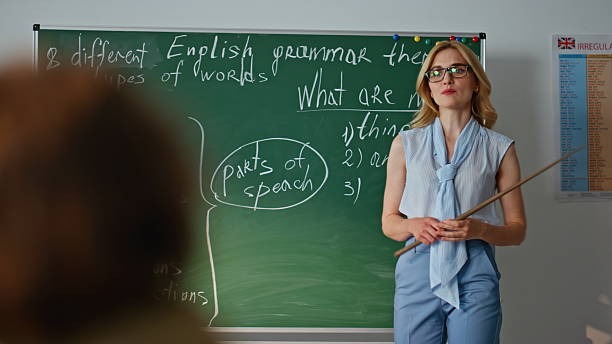
In a world where technology and education intertwine more than ever, the concept of bringing interactive lessons to life is both exciting and essential.
As we navigate through this digital age, the way we teach and learn is evolving, embracing methods that engage the mind and spirit.
This transformation is not just about incorporating new tools; it’s about fostering an environment where curiosity thrives, and knowledge becomes a vibrant experience.
The essence of interactive learning lies in its ability to create connections. Imagine a classroom where students are not just passive recipients of information, but active participants in their educational journey. This approach encourages collaboration, critical thinking, and creativity. When lessons are designed to be interactive, they resonate more deeply, making the learning process not just informative, but truly enjoyable.
A shift toward engagement
One of the most beautiful aspects of interactive lessons is the way they can cater to various learning styles. Visual learners may find joy in multimedia presentations, while kinesthetic learners thrive through hands-on activities. By incorporating diverse methods, educators can create a rich tapestry of experiences that appeal to all students. This inclusivity fosters a sense of belonging, allowing every individual to shine in their unique way.
Consider a history lesson transformed into a role-playing adventure. Instead of reading from a textbook, students might step into the shoes of historical figures, experiencing firsthand the challenges and triumphs of their lives. This immersive approach not only deepens understanding but also cultivates empathy. When students can relate to the past, they become more invested in their learning, and history becomes more than just dates and events; it becomes a living narrative.
The power of technology
Technology plays a pivotal role in bringing interactive lessons to life. With tools like virtual reality, augmented reality, and interactive simulations, the possibilities are virtually limitless. Imagine exploring the depths of the ocean or walking on the surface of Mars without ever leaving the classroom. These experiences spark wonder and excitement, making complex concepts more accessible and engaging.
Moreover, educational apps and online platforms can enhance collaboration among students. In a digital space, learners can work together on projects, share ideas, and provide feedback, regardless of geographical boundaries. This connectivity not only enriches their learning experience but also prepares them for a future where teamwork and communication are paramount.
Creating a culture of curiosity
At the heart of interactive learning is a culture of curiosity. When educators encourage questions and exploration, students feel empowered to seek answers and pursue their interests. This shift can be as simple as inviting students to lead discussions or allowing them to choose project topics that resonate with them personally. By nurturing this curiosity, educators help students develop a lifelong love of learning.
In this context, assessment also takes on a new meaning. Traditional tests often focus on rote memorization, but interactive lessons provide opportunities for alternative assessments that showcase understanding in creative ways. Portfolios, presentations, and collaborative projects can all serve as reflections of a student’s journey, highlighting their growth and unique perspective.
The role of educators
Educators are the guiding lights in this interactive landscape. Their role evolves from being mere transmitters of knowledge to facilitators of experiences. By creating a supportive environment, they can inspire students to take ownership of their learning. Encouraging risk-taking and embracing mistakes as part of the learning process fosters resilience and adaptability—qualities that are invaluable in today’s world.
Continuing professional development is essential for educators as well. By staying informed about the latest educational technologies and interactive strategies, they can continually refine their approach. This commitment not only benefits their own growth but also enhances the learning experience for their students.
A harmonious blend of life and learning
Bringing interactive lessons to life is not solely confined to the classroom. The principles of engagement and curiosity can permeate everyday activities, making learning a holistic experience. Family outings to museums, nature walks, or even cooking together can become opportunities for exploration and discussion. When learning is woven into the fabric of daily life, it becomes a shared journey that enriches relationships and fosters a lifelong passion for knowledge.
In this way, the idea of interactive lessons extends beyond traditional educational settings. It invites us to reimagine how we engage with the world around us. Whether it’s through community projects, workshops, or online courses, the spirit of interactive learning encourages us to participate actively in our own education.
Looking ahead
As we look to the future, the vision of interactive lessons is one of optimism and possibility. Education is not static; it is a dynamic process that evolves with our changing world. By embracing interactive methods, we can prepare students not only to excel academically but also to thrive as innovative thinkers and compassionate individuals.
In this journey, let us remember that education is about more than acquiring knowledge—it’s about nurturing the human spirit. By bringing lessons to life in engaging and meaningful ways, we can inspire generations to explore, create, and connect. This is the heart of interactive learning, where every lesson becomes a stepping stone toward a brighter future.