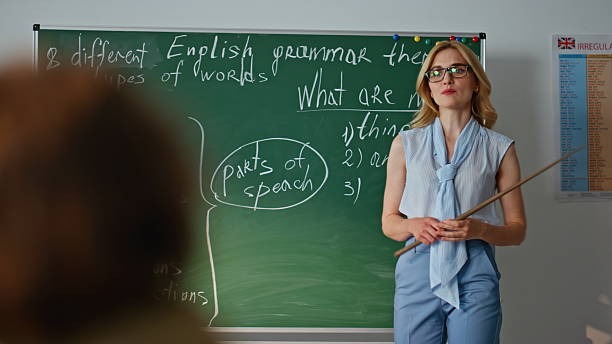
In this fast-paced world, education is evolving in ways we could scarcely have imagined a few decades ago.
The traditional classroom experience is being complemented—and sometimes replaced—by innovative technology designed to tailor learning to individual needs.
Among these advancements, artificial intelligence (AI) stands out as a beacon of possibility, offering apps that personalize education experiences like never before.
The rise of AI in education is a fascinating journey. At its heart, the goal is to create an environment where every student can thrive. By harnessing the power of data and machine learning, these applications analyze students’ strengths, weaknesses, and preferences, allowing for a customized approach to learning. This transformation is not just about improving grades; it’s about nurturing a love for learning, encouraging curiosity, and building confidence.
One of the most compelling aspects of AI-driven educational apps is their ability to adapt in real-time. Imagine a student struggling with a particular math concept. Instead of moving on with the curriculum, an AI app can recognize where the learner is having difficulty and provide additional resources or alternate explanations tailored to their unique way of understanding. This kind of immediate feedback is invaluable, as it allows students to grasp concepts fully before progressing, ensuring a solid foundation for future learning.
A small shift toward balance might be found in the way these apps encourage self-paced learning. In a traditional classroom, the pace is often dictated by the teacher, which can leave some students feeling overwhelmed while others may feel unchallenged. With AI, learners can dive deeper into subjects that fascinate them or slow down in areas where they need more time. This flexibility not only accommodates different learning styles but also fosters a sense of agency in students, empowering them to take charge of their educational journey.
Another enriching dimension of AI applications is their ability to offer personalized learning paths. By analyzing a student’s interests and previous performance, these apps can curate content that resonates with the individual. For example, a student fascinated by space might be presented with science projects or reading materials that explore astronomy. This relevance makes learning more engaging and enjoyable, transforming the educational experience into one that feels less like a chore and more like a journey of discovery.
As we explore the landscape of AI in education, it’s essential to highlight the social and emotional benefits that these technologies can provide. Many students face anxiety and stress related to their academic performance. AI apps can help mitigate this by offering a safe space for practice and exploration. With features like gamification, where learning is presented as a game with rewards and challenges, students can engage in a way that feels less intimidating. This playful approach not only makes learning fun but also helps build resilience and a positive mindset toward challenges.
Furthermore, the diversity of educational needs is more recognized than ever. AI applications can cater to students with learning disabilities by providing tailored resources and support. For instance, apps can read aloud text for those with dyslexia or adjust the complexity of tasks for students on the autism spectrum. Such inclusivity ensures that every learner has the opportunity to succeed, creating a more equitable educational environment.
In the realm of language learning, AI-powered apps are making waves as well. Traditional methods often rely on repetitive drills and memorization, which can be uninspiring. However, with AI, language apps can deliver personalized lessons based on the learner’s progress and interests. This means that a student interested in travel might focus on conversational phrases and cultural nuances rather than just vocabulary lists. The result is a more holistic and engaging approach to acquiring a new language, making the process feel seamless and enjoyable.
As we reflect on the potential of AI applications in education, it’s also important to consider the role of educators in this evolving landscape. Rather than replacing teachers, these technologies can serve as powerful tools that enhance their teaching methods. Educators can use data insights from AI apps to identify areas where students are excelling or struggling, allowing them to provide targeted support. This collaboration between technology and teaching creates a rich tapestry of learning experiences, where the human touch remains irreplaceable.
Of course, with great innovation comes the need for careful consideration. Privacy and data security are paramount concerns when it comes to AI in education. Parents and educators alike must ensure that student data is handled responsibly and ethically. Transparency in how data is used and stored is crucial to maintaining trust in these technologies.
As we stand at the intersection of education and technology, the possibilities are truly exciting. AI applications are not just about improving academic performance; they are about fostering a love for learning and empowering students to reach their full potential. With their ability to personalize experiences, provide immediate feedback, and adapt to diverse learning needs, these tools are shaping a brighter future for education.
In this new era, the journey of learning can be as unique as each student. By embracing the potential of AI, we can create educational experiences that are not only effective but also enriching and enjoyable. As we continue to explore this evolving landscape, let us remember that at the heart of education lies the desire to nurture curious minds, inspire creativity, and cultivate a lifelong love of learning.