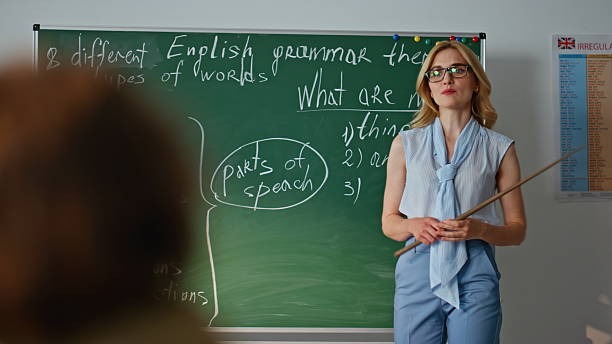
Language learning can be a delightful adventure for kids, filled with laughter and creativity.
As parents and educators, we often seek ways to make learning engaging and fun.
One of the most effective methods to achieve this is through games.
The playful spirit of children naturally lends itself to game-based learning, making it an ideal approach to language acquisition. Here are some enjoyable language learning games that can help kids embrace new words and phrases while having a great time.
A gentle introduction to wordplay
One of the simplest yet most effective games is the classic word association game. This game involves one player saying a word, and the next player must quickly respond with a word that is somehow related. For instance, if one child says “apple,” the next might say “fruit,” followed by “banana,” and so on. This game not only enhances vocabulary but also encourages children to think quickly and make connections between words. It fosters an environment where language feels alive and interconnected, allowing children to explore their creativity.
Another engaging option is the “I Spy” game, a familiar favorite that can be adapted for language learning. Instead of focusing solely on colors or objects, children can take turns spying on items that begin with a specific letter or contain certain sounds. For example, if the chosen letter is “B,” a child might say, “I spy with my little eye something that starts with B.” This encourages kids to think about the sounds and letters in words, promoting phonetic awareness while keeping the atmosphere light and playful.
Exploring stories through play
Storytelling is a powerful tool in language learning, and integrating games into this process can make it even more enjoyable. One creative game is “Story Cubes,” where children roll dice with different images on each side. The images serve as prompts, inspiring kids to create a unique story based on what they see. This not only enhances their vocabulary but also nurtures their imagination. As they weave tales, children practice constructing sentences and using descriptive language, all while having fun.
Another storytelling game is “Pass the Story,” where one child begins a story with a single sentence, and each subsequent player adds a sentence to build on the narrative. This collaborative approach encourages teamwork and creativity, as each child contributes their ideas. It can lead to hilarious and unexpected plot twists, making the experience enjoyable while reinforcing language skills.
A playful twist on traditional games
Incorporating familiar games like charades can also be a wonderful way to promote language learning. Instead of acting out movie titles or book characters, children can act out verbs or adjectives. For instance, a child might illustrate the word “jump” or “happy” through gestures while others guess the word. This game encourages physical activity and expression, allowing kids to connect words with actions, enhancing their understanding of language in a dynamic way.
Another classic game that can be adapted for language learning is “Simon Says.” By incorporating vocabulary words or phrases into the commands, children can learn new language concepts while playing. For example, “Simon says touch your nose” can be turned into “Simon says jump like a kangaroo.” This not only reinforces vocabulary but also helps children follow instructions in a fun and engaging manner.
Creating a language-rich environment
In addition to structured games, creating a language-rich environment at home can significantly enhance language learning. Labeling common household items with their names in both the native language and the target language can help kids make connections between words and their meanings. This simple yet effective strategy encourages children to engage with language in their daily lives, making it a natural part of their routines.
Incorporating songs and rhymes into daily activities can also be a delightful way to foster language skills. Children often enjoy singing along to catchy tunes, and many songs include repetitive phrases that aid in vocabulary retention. Whether it’s a classic nursery rhyme or a popular children’s song, music can create a joyful atmosphere while reinforcing language concepts.
The joy of discovery through technology
In our increasingly digital world, technology can also play a role in language learning. There are numerous educational apps and online games designed specifically for kids to learn new languages in a fun and interactive manner. These platforms often use colorful graphics, engaging storylines, and rewarding challenges to keep children motivated. As they navigate through different levels, they not only enhance their vocabulary but also develop their listening and speaking skills.
However, it’s essential to balance screen time with other forms of play. Encouraging offline activities alongside digital learning ensures that children experience a well-rounded approach to language acquisition. The key is to create a harmonious blend of traditional play and modern technology, allowing kids to explore language in various ways.
Nurturing a lifelong love for language
Ultimately, the goal of these games and activities is to nurture a love for language in children. By making learning fun and engaging, we can help them develop confidence in their language skills while fostering a sense of curiosity about the world around them. When children associate language learning with joy and exploration, they are more likely to continue their journey beyond childhood.
As parents and educators, it’s important to remember that every child learns at their own pace. Embracing patience and encouragement will go a long way in supporting their language development. By integrating fun language learning games into everyday life, we can create an enriching environment that inspires children to express themselves and connect with others through the beauty of language.
In this journey of discovery, let us celebrate the small victories and cherish the moments of laughter and joy that come with learning. After all, language is not just a tool for communication; it is a gateway to understanding and connecting with the world. With creativity, playfulness, and a sprinkle of imagination, we can help our children embark on a lifelong adventure in language learning.