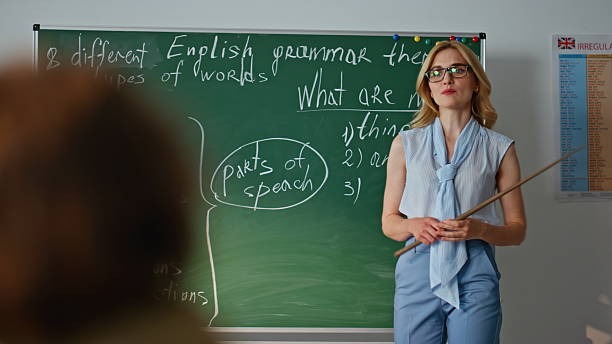
In the realm of education, the art of curriculum planning is akin to crafting a beautiful tapestry.
Each thread represents a unique aspect of learning, woven together to create a cohesive experience for students of various grade levels.
As educators, parents, and community members, we share the responsibility of shaping the minds of young learners, ensuring they receive a rich and engaging education tailored to their developmental stages.
The journey begins with understanding the needs of each grade level, recognizing that children evolve rapidly as they progress through their formative years.
From the playful curiosity of preschoolers to the more analytical minds of high school students, each stage of learning requires a thoughtful approach. By carefully considering the characteristics and interests of each age group, we can design a curriculum that not only meets educational standards but also nurtures a love for learning.
At the early childhood level, the focus is often on fostering a sense of wonder and exploration. Young children thrive in environments where they can engage in hands-on activities that stimulate their senses. Incorporating play-based learning into the curriculum allows them to discover the world around them in a way that feels natural and enjoyable. Simple activities, such as storytelling, art projects, and nature walks, can be seamlessly integrated into daily lessons, creating a rich tapestry of experiences that ignite curiosity.
As children transition into the elementary grades, their cognitive abilities expand, and they begin to grasp more complex concepts. This is a wonderful opportunity to introduce subjects like mathematics, science, and language arts in ways that connect to their everyday lives. Utilizing themes that resonate with their interests—such as animals, space, or fairy tales—can make learning feel relevant and exciting. Collaborative projects that encourage teamwork and communication also play a vital role in this stage, as they help children develop social skills while deepening their understanding of the material.
Moving into the middle school years, students often experience a shift in their social dynamics and personal interests. This is a critical time for educators to create a curriculum that promotes engagement and self-discovery. Incorporating project-based learning allows students to explore subjects that resonate with them, empowering them to take ownership of their education. By offering choices in assignments and encouraging independent research, we can foster a sense of agency that helps students feel more connected to their learning journey.
High school presents yet another unique set of challenges and opportunities. As students prepare for life beyond the classroom, it is essential to provide them with a curriculum that not only meets academic standards but also equips them with practical skills. Integrating real-world applications of knowledge—such as financial literacy, career exploration, and community service—can help students see the relevance of their education in a broader context. Moreover, encouraging critical thinking and problem-solving through discussions and debates can prepare them for the complexities of adulthood.
A small shift toward balance is also crucial in curriculum planning. While academic rigor is important, it is equally vital to nurture students’ emotional and social development. Incorporating mindfulness practices, social-emotional learning, and opportunities for self-reflection can help create a well-rounded educational experience. When students feel supported and understood, they are more likely to thrive both academically and personally.
Collaboration among educators is another key element in successful curriculum planning. By sharing ideas, resources, and strategies, teachers can create a more cohesive learning experience for students. Professional development opportunities, such as workshops and conferences, can provide valuable insights into best practices and emerging trends in education. Building a supportive community among educators not only enriches their own teaching practices but also positively impacts the students they serve.
Involving parents and the community in the curriculum planning process can also enhance the educational experience. Open communication and partnerships with families can foster a sense of belonging and support for students. When parents are engaged in their children’s education, they can reinforce learning at home and provide additional resources and encouragement. Community involvement, whether through guest speakers, field trips, or service projects, can also enrich the curriculum, exposing students to diverse perspectives and experiences.
As we navigate the complexities of curriculum planning for different grade levels, it is essential to remain flexible and open to change. Education is an ever-evolving field, and what works for one group of students may need to be adjusted for another. Continual assessment and reflection on the curriculum can help ensure that it remains relevant and effective. Regular feedback from students, parents, and fellow educators can provide valuable insights that inform future planning.
Ultimately, the goal of curriculum planning is to create a nurturing and stimulating environment where students can thrive. By recognizing the unique needs of each grade level and fostering a love for learning, we can help shape the minds of future generations. As we weave together the threads of knowledge, creativity, and support, we craft a beautiful tapestry that reflects the diverse and vibrant landscape of education.
In this journey, let us remember that education is not just about imparting knowledge; it is about inspiring curiosity, nurturing passion, and empowering students to become lifelong learners. By embracing the art of curriculum planning with warmth and intention, we can create meaningful experiences that resonate long after the classroom doors close. Together, as a community of educators, parents, and learners, we can cultivate a rich educational landscape that prepares our children for the world ahead.