Building confidence in special education students can be a transformative journey, not just for the students themselves but also for educators and families.
The road to fostering self-assurance is paved with understanding, patience, and the right tools.
In this exploration, we’ll delve into some nurturing strategies that can help cultivate a sense of confidence in special education students, emphasizing the importance of a supportive environment.
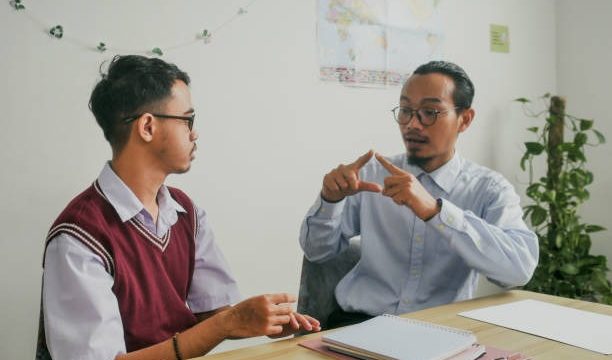
Creating a safe and encouraging space is the first step in this journey. Each student has unique needs and experiences, and recognizing these differences is essential. When students feel safe and understood, they are more likely to take risks and engage in learning. This environment can be fostered through open communication, where students are encouraged to express their thoughts and feelings without fear of judgment. Active listening plays a crucial role here; it allows students to feel valued and heard, reinforcing their sense of belonging.
One effective tool for building confidence is the use of positive reinforcement. Celebrating small achievements can lead to significant changes in a student’s self-image. A simple acknowledgment of effort, whether verbal or through a tangible reward, can ignite motivation and encourage continued progress. This approach helps students recognize their strengths and capabilities, reinforcing the idea that they can succeed. It’s important to tailor these rewards to individual preferences, as what resonates with one student may not have the same impact on another.
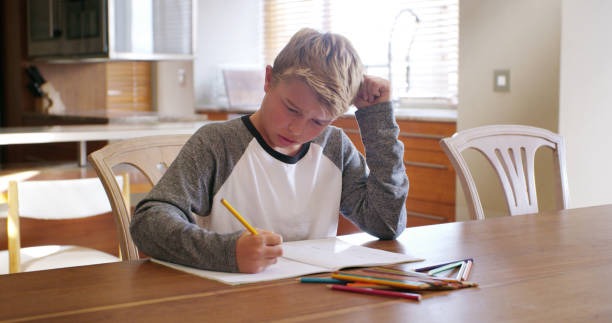
Incorporating creative activities into the learning process can also be a game-changer. Art, music, and drama provide students with alternative avenues for self-expression, allowing them to communicate their thoughts and emotions in ways that words sometimes cannot. These creative outlets can boost self-esteem and foster a sense of accomplishment. When students engage in creative projects, they often experience a sense of freedom that can translate into greater confidence in academic and social settings.
Peer interactions play a vital role as well. Encouraging collaborative learning can help students build relationships and develop social skills. Group activities not only enhance learning but also provide opportunities for students to support one another. When students work together toward a common goal, they learn the value of teamwork and the importance of each individual’s contribution. These experiences often lead to stronger friendships and a sense of community, which in turn boosts confidence.
Technology can also be a powerful ally in this journey. There are numerous educational tools and apps designed specifically for special education students. These resources can provide personalized learning experiences, allowing students to progress at their own pace. Technology can also facilitate communication for those who may struggle with traditional forms of expression. By integrating technology into the classroom, educators can tap into students’ interests and create engaging, tailored learning experiences that promote confidence.
Fostering a growth mindset is another crucial aspect of building confidence. Teaching students that abilities can be developed through dedication and hard work can reshape their approach to challenges. Encouraging resilience and perseverance helps students understand that setbacks are a natural part of the learning process. When they view challenges as opportunities for growth rather than insurmountable obstacles, they are more likely to take risks and push their boundaries.
Emphasizing individual strengths is equally important. Every student has unique talents and abilities, and recognizing these can significantly enhance their self-esteem. Educators and parents can help students identify their strengths by providing opportunities for them to shine in areas where they excel. This recognition not only boosts confidence but also encourages students to pursue their interests with enthusiasm.
Another gentle yet effective approach is to incorporate mindfulness practices into the classroom. Mindfulness can help students develop self-awareness and emotional regulation, which are essential components of confidence. Simple practices such as deep breathing, guided imagery, or short meditative sessions can create a calm and focused atmosphere. When students learn to manage their emotions and reactions, they often feel more empowered and capable in their learning environment.
Involving families in the process can also enhance the support system around students. Open communication between educators and families can lead to a more unified approach in building confidence. Sharing successes, whether big or small, allows families to celebrate their child’s progress and reinforces a positive narrative at home. When students see their achievements acknowledged both at school and at home, it strengthens their belief in their abilities.
As we navigate the complexities of education, it’s essential to remember that building confidence in special education students is a gradual process. It requires patience, understanding, and a commitment to creating an inclusive environment. Each small step taken toward fostering self-assurance can have a lasting impact. When students feel confident, they are more likely to engage fully in their education and embrace the opportunities that come their way.
Ultimately, the goal is to empower special education students to recognize their worth and abilities. As they grow in confidence, they become more resilient and open to new experiences. The tools we use to support them—whether through positive reinforcement, creative expression, collaborative learning, or mindfulness—are all part of a larger tapestry of encouragement that we weave together. By nurturing their confidence, we help them build a foundation that will serve them well throughout their lives, opening doors to new possibilities and adventures.
In this journey, let’s continue to celebrate the unique contributions of each student and create an environment where they can thrive. The path may have its challenges, but the rewards of seeing students blossom into confident individuals are immeasurable. Together, we can make a difference in their lives, one encouraging moment at a time.