In the world of education, every child deserves a chance to thrive, and for those with special needs, innovative strategies can make all the difference.
As we explore various approaches that have shown promise in special education, it’s important to focus on fostering an environment that nurtures growth, understanding, and connection.
Creating a nurturing learning environment
The foundation of effective special education lies in creating a nurturing and inclusive learning environment.
This space should feel safe and welcoming, allowing students to express themselves freely. Educators can initiate this by developing strong relationships with their students, understanding their unique needs, and respecting their individuality. When children feel valued, they are more likely to engage actively in their learning journey.
Another essential aspect of this nurturing environment is collaboration. Teachers, parents, and support staff should work together harmoniously, sharing insights and strategies that can enhance the educational experience. Regular communication fosters a sense of community and ensures that everyone is on the same page, ultimately benefiting the child’s development.
A small shift toward balance
One innovative strategy that has gained traction is the emphasis on social-emotional learning (SEL). This approach recognizes that a child’s emotional well-being is closely linked to their academic success. By incorporating SEL into the curriculum, educators can help students develop skills such as self-awareness, self-regulation, and interpersonal skills. These competencies can empower children to navigate their emotions, build resilience, and foster positive relationships with peers.
Moreover, integrating mindfulness practices into the classroom can create a calm and focused atmosphere. Simple techniques like deep breathing exercises or short moments of quiet reflection can significantly impact students’ ability to concentrate and manage stress. By incorporating these practices into daily routines, educators can help students cultivate a sense of balance, making learning more enjoyable and effective.
Harnessing the power of technology
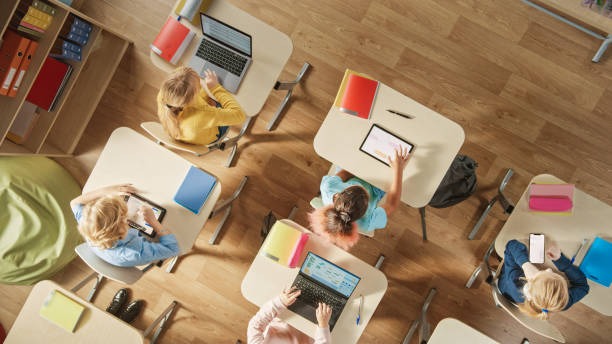
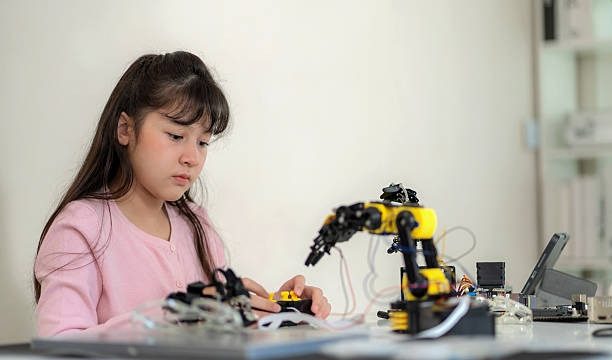
Technology has opened up new avenues for enhancing special education. Assistive technology, for instance, can provide tailored support to meet diverse needs. Tools such as speech-to-text software, interactive apps, and customizable learning platforms allow students to engage with the material in ways that resonate with them. This personalized approach not only boosts confidence but also encourages independence in learning.
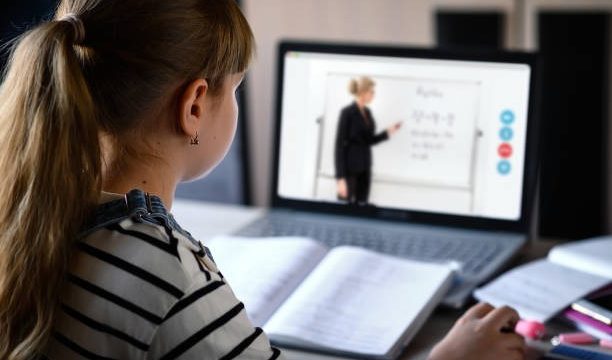
Furthermore, online resources can facilitate collaboration among educators. Sharing best practices, lesson plans, and success stories through dedicated platforms can inspire teachers to experiment with new strategies. This sense of community can lead to a richer educational experience for everyone involved.
The beauty of individualized learning
Every child is unique, and recognizing this is crucial in special education. Individualized education plans (IEPs) are a cornerstone of this approach, allowing educators to tailor instruction to meet each child’s specific needs. However, going beyond the traditional IEP model can lead to even more impactful outcomes.
One innovative approach is the concept of personalized learning pathways. This method encourages educators to design flexible learning experiences that allow students to progress at their own pace. By focusing on the child’s strengths and interests, teachers can create engaging lessons that spark curiosity and motivation. This shift from a one-size-fits-all model to a more personalized approach can enhance learning and foster a love for education.
Encouraging peer support
Another effective strategy in special education is fostering peer support. Encouraging students to work together can create a sense of belonging and community. Peer mentoring programs, where students with different abilities support each other, not only promote social skills but also enhance learning outcomes. This collaborative approach helps break down barriers and fosters understanding among students.
Creating opportunities for inclusive group activities can further strengthen this sense of community. Whether it’s through collaborative projects, shared interests, or extracurricular activities, allowing students to engage with one another in diverse settings can lead to meaningful connections and friendships.
Involving families in the journey
Family involvement is a crucial element in the success of special education strategies. When parents are engaged in their child’s education, the impact can be profound. Schools can create opportunities for families to participate in workshops, support groups, or informational sessions to help them understand the resources available and how they can best support their children at home.
By fostering a strong partnership between educators and families, children benefit from a consistent approach to learning and development. This collaboration can lead to more effective strategies tailored to the child’s needs, ultimately creating a more holistic support system.
Celebrating small victories
In the journey of special education, it is essential to celebrate progress, no matter how small. Recognizing achievements boosts confidence and motivation, encouraging children to continue striving for their goals. Educators can create a culture of celebration within the classroom, highlighting individual and group successes, and fostering a positive atmosphere where every effort is acknowledged.
This practice not only instills a sense of accomplishment in students but also encourages a growth mindset. When children see that progress is possible, they are more likely to embrace challenges and persist in their learning journey.
A hopeful outlook for the future
As we continue to explore innovative strategies in special education, the possibilities are vast. By focusing on nurturing environments, personalized learning, technology integration, peer support, and family involvement, we can create a brighter future for children with special needs.
Ultimately, the goal is to empower every child to reach their full potential, fostering a love for learning that lasts a lifetime. With compassion, creativity, and collaboration, we can make a meaningful difference in the lives of these remarkable individuals, celebrating their unique journeys along the way.