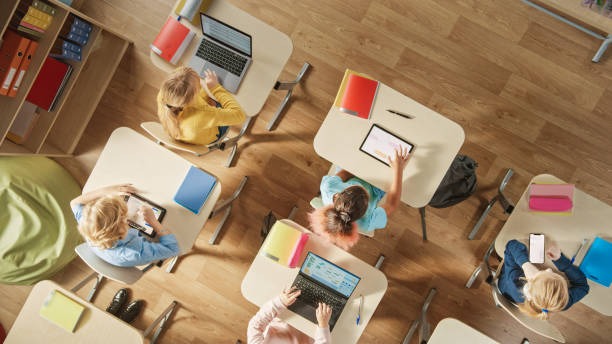
Creating an inclusive classroom is a journey filled with opportunities for growth, understanding, and connection.
It’s a commitment to ensuring that every student feels valued, respected, and empowered to learn in a supportive environment.
As educators, parents, and community members, we have the privilege of guiding young minds through these formative years.
Here are some creative approaches to foster success in an inclusive classroom setting.
A small shift toward balance
In the hustle and bustle of classroom activities, it’s essential to take a moment to reflect on the dynamics at play. An inclusive classroom thrives on balance, where each student’s needs are acknowledged and addressed. This balance can be achieved by implementing various teaching strategies that cater to diverse learning styles. Consider incorporating visual aids, hands-on activities, and collaborative projects that encourage students to engage with the material in ways that resonate with them. When students see their unique strengths recognized, they are more likely to participate actively and feel a sense of belonging.
Building connections through storytelling
Storytelling is a powerful tool that can bridge gaps and foster empathy among students. By sharing personal narratives or exploring diverse cultural tales, educators can create a rich tapestry of experiences that resonate with all learners. This practice not only enhances comprehension but also cultivates a sense of community within the classroom. Encourage students to share their own stories, creating a safe space where everyone’s voice is heard. As they listen to one another, students may discover commonalities and differences that enrich their understanding of each other’s backgrounds and perspectives.
Encouraging collaborative learning
Collaboration is at the heart of an inclusive classroom. When students work together on projects, they learn to appreciate each other’s strengths and differences. This approach can be particularly effective in fostering social skills and emotional intelligence. Group activities should be thoughtfully designed to ensure that every student has a role that plays to their strengths. For instance, assigning tasks based on individual interests and abilities can enhance engagement and create a sense of ownership over the learning process. When students feel valued for their contributions, they develop confidence and a deeper connection to the material.
Creating flexible learning environments
A flexible learning environment is crucial for accommodating the varied needs of all students. This can be achieved through adaptable seating arrangements, varied instructional methods, and the use of technology that supports different learning preferences. Consider creating quiet zones for students who may need a break from sensory overload, or designated collaboration spaces for group work. By being mindful of the physical space, educators can promote comfort and concentration, allowing students to thrive in their unique ways.
Fostering a culture of respect
Respect is foundational in an inclusive classroom. It starts with establishing clear expectations for behavior and communication. Encouraging students to treat one another with kindness and consideration sets the tone for a supportive learning environment. Regular discussions about respect, empathy, and understanding can reinforce these values. Consider implementing activities that explore themes of acceptance and diversity, helping students to appreciate not just their own identities, but also those of their peers. This culture of respect will empower students to speak up against bullying or exclusion, making the classroom a safer space for everyone.
Engaging families and communities
An inclusive classroom extends beyond the school walls; it encompasses families and the wider community. Engaging parents in the learning process can enhance students’ educational experiences and foster a sense of belonging. Host events that invite families to share their cultural heritage or unique talents, creating opportunities for connection and collaboration. This not only enriches the classroom experience but also strengthens the bond between home and school. When families feel involved, students are more likely to thrive academically and socially.
Embracing technology as a tool for inclusion
In today’s digital age, technology can be a bridge to inclusion. There are countless resources available that cater to diverse learning needs, from interactive apps to online platforms that facilitate collaboration. Educators can leverage these tools to create personalized learning experiences that empower students at their own pace. Additionally, technology can support students with disabilities by providing alternative methods for engagement and expression. By embracing these innovations, educators can create a more inclusive environment that meets the needs of all learners.
Nurturing emotional well-being
Emotional well-being is a vital component of an inclusive classroom. Students who feel emotionally supported are more likely to succeed academically and socially. Incorporating mindfulness practices, such as breathing exercises or guided reflections, can help students manage stress and cultivate resilience. Additionally, providing opportunities for social-emotional learning can equip students with essential skills for navigating their relationships and challenges. When emotional well-being is prioritized, students can focus on learning and growth without the burden of anxiety or fear.
Celebrating diversity through curriculum
A diverse curriculum is key to fostering an inclusive classroom. By integrating literature, history, and perspectives from various cultures, educators can create a rich learning experience that reflects the world’s complexity. Encourage students to explore different viewpoints and think critically about societal issues. This not only enhances their understanding of the material but also promotes empathy and respect for diversity. When students see themselves represented in the curriculum, they are more likely to engage deeply and develop a sense of pride in their identities.
In conclusion, creating an inclusive classroom is a continuous journey that requires creativity, compassion, and commitment. By embracing diverse learning styles, fostering connections, and prioritizing emotional well-being, educators can cultivate an environment where every student feels valued and empowered. Ultimately, the goal is to nurture not just academic success, but also a sense of community and belonging that will serve students well beyond their school years. Let’s celebrate the beauty of diversity and work together to make every classroom a space where all learners can thrive.