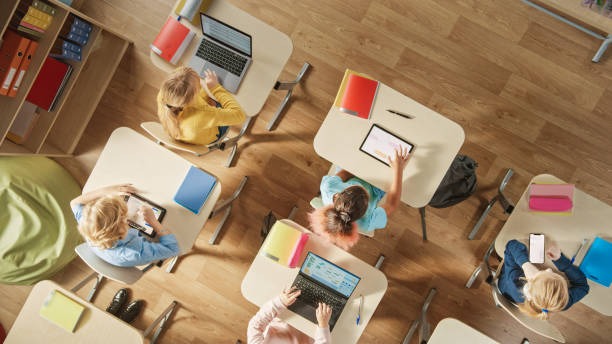
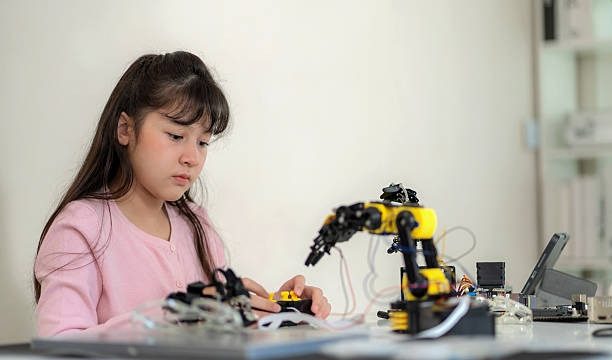
In today’s rapidly evolving educational landscape, the integration of artificial intelligence (AI) is reshaping the way we approach student success. This technology, often viewed through the lens of its technical capabilities, also offers a human touch that can enhance learning experiences and foster personal growth. By embracing AI thoughtfully, educators, students, and families can create a supportive environment that nurtures academic achievement and emotional well-being.
A gentle introduction to AI in education reveals a world where personalized learning experiences become the norm rather than the exception. Imagine a classroom where each student’s unique strengths and challenges are acknowledged and addressed. AI-driven tools can analyze individual learning patterns, helping educators tailor their teaching methods to suit diverse needs. This personalized approach not only enhances comprehension but also boosts confidence, making learning a more enjoyable journey for everyone involved.
As students navigate their academic paths, they often face a myriad of challenges. From managing time effectively to understanding complex subjects, the pressures can be overwhelming. Here, AI can step in as a supportive ally. For instance, intelligent tutoring systems offer real-time feedback and guidance, allowing students to learn at their own pace. These systems can identify areas where a student may be struggling and provide targeted resources to help them overcome obstacles. This immediate support can make all the difference, transforming frustration into a sense of accomplishment.
Moreover, AI can serve as a bridge between students and educators, fostering open communication and collaboration. Chatbots and virtual assistants can be available around the clock, answering questions and providing assistance outside traditional classroom hours. This accessibility empowers students to seek help when they need it most, encouraging them to take charge of their learning. When students feel supported and engaged, their motivation and enthusiasm for learning naturally flourish.
Creating a balanced and nurturing educational environment is essential for student well-being. AI can play a significant role in promoting mental health and emotional resilience. Tools that monitor student engagement and well-being can alert educators to signs of stress or disengagement. By recognizing these indicators early, teachers can intervene with compassion, offering support and resources that help students navigate their emotional landscapes. This proactive approach fosters a sense of belonging and safety, crucial elements for any student’s
In addition to enhancing academic performance, AI can also help develop essential life skills. Many AI-powered platforms incorporate gamification elements, turning learning into an interactive experience. Through engaging challenges and rewards, students can cultivate skills such as critical thinking, problem-solving, and teamwork. These competencies are invaluable not only in academic settings but also in everyday life. By fostering these skills in a fun and engaging way, AI encourages students to embrace challenges with a positive mindset.
As we explore the potential of AI in education, it’s important to consider the role of educators as facilitators of this technology. While AI can provide valuable insights and support, the human connection remains irreplaceable. Teachers are not just knowledge dispensers; they are mentors and guides who inspire students to reach their fullest potential. By working alongside AI, educators can focus on building meaningful relationships with their students, understanding their unique stories, and fostering a supportive community.
A subtle shift toward collaboration between AI and educators can also enhance parental involvement in the educational journey. Many AI tools offer insights into student performance and progress, making it easier for parents to stay informed and engaged. By sharing this information, parents can better support their children’s learning at home, reinforcing the skills and concepts taught in the classroom. When families and educators work together, the foundation of student success becomes even stronger.
As we look ahead, it’s essential to approach the integration of AI in education with a sense of mindfulness and responsibility. While the potential benefits are significant, it is crucial to ensure that technology is used in ways that respect student privacy and promote equity. By prioritizing ethical considerations, we can create an educational landscape where AI serves as a tool for empowerment rather than a source of division.
In this journey towards harnessing AI for student success, we must remain open to continuous learning and adaptation. The landscape of education is ever-changing, and so too are the needs of our students. By fostering a culture of curiosity and innovation, we can explore new ways to support each student’s unique path. This commitment to growth ensures that we are not only preparing students for academic success but also equipping them with the skills and resilience necessary for life beyond the classroom.
Ultimately, using AI to support student success is about much more than technology; it is about nurturing a holistic approach to education. By combining the strengths of AI with the irreplaceable value of human connection, we can create an environment where students thrive emotionally, socially, and academically. The future of education is bright, and with thoughtful integration of AI, we can help every student reach their fullest potential, ready to embrace the world with confidence and curiosity.
In this new era, let us celebrate the possibilities that arise when we blend innovation with compassion, ensuring that every student feels seen, heard, and empowered on their unique journey toward success.