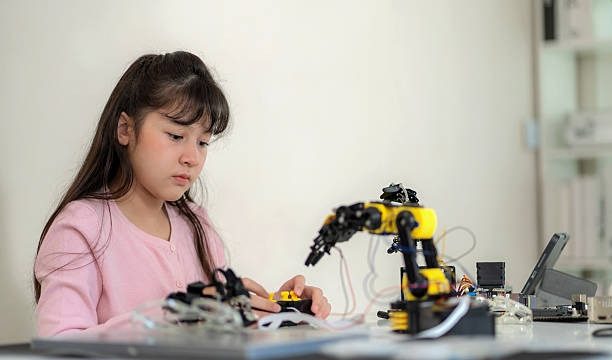
In recent years, the landscape of education has undergone a remarkable transformation, largely driven by the rapid advancement of technology.
As classrooms evolve from traditional chalkboards to interactive digital platforms, the ways in which we learn and teach have become increasingly dynamic.
This shift is not merely a matter of integrating gadgets into the classroom; it represents a fundamental change in how we access knowledge, interact with information, and engage with one another.
The journey into this new educational era began with the introduction of personal computers, which laid the groundwork for the internet revolution. Suddenly, a world of information was at our fingertips. Students no longer needed to rely solely on textbooks or libraries for research; they could access a wealth of resources online. This democratization of knowledge has empowered learners, providing them with the tools to explore subjects in depth, at their own pace.
As we delve deeper into this technological realm, the presence of online learning platforms has emerged as a game changer. The rise of Massive Open Online Courses (MOOCs) and virtual classrooms has made education more accessible than ever before. Whether you’re a busy professional seeking to upskill or a curious individual exploring a new hobby, the flexibility of online learning caters to diverse needs. This shift not only accommodates various learning styles but also encourages lifelong learning, a vital aspect of personal and professional growth.
A small shift toward balance
While technology has opened up numerous avenues for education, it’s essential to strike a balance. The ease of access to information can sometimes lead to information overload. With countless resources available, distinguishing credible sources from unreliable ones can be overwhelming for learners. This is where the role of educators becomes crucial. Teachers are no longer just providers of knowledge; they are guides, helping students navigate the vast sea of information and develop critical thinking skills.
Moreover, technology has fostered collaboration in ways that were once unimaginable. Students can now connect with peers and educators from around the globe, forming a rich tapestry of shared experiences and perspectives. Virtual classrooms facilitate discussions that transcend geographical boundaries, allowing for a more diverse exchange of ideas. This interconnectedness not only enhances learning but also nurtures a sense of global citizenship, preparing students for a world that is increasingly interdependent.
The role of technology in education also extends to personalized learning experiences. Adaptive learning technologies analyze individual progress and tailor educational content to suit each learner’s needs. This level of customization ensures that students receive the support they require, fostering a more inclusive environment. For instance, a student struggling with a particular concept can access targeted resources that address their unique challenges. This personalized approach not only boosts confidence but also promotes a love for learning, as students can advance at their own pace.
As we embrace these advancements, it’s also important to consider the emotional and social aspects of learning. The integration of technology in education has sparked conversations about the importance of maintaining human connections. While online platforms offer convenience, they can sometimes lead to feelings of isolation. Finding ways to blend technology with face-to-face interactions is essential. Schools and educators are increasingly focusing on creating hybrid models that combine the benefits of online learning with the invaluable experiences of in-person collaboration.
Creating a nurturing environment
In this evolving landscape, the emotional well-being of students remains paramount. Technology can be a double-edged sword; while it offers countless opportunities, it can also contribute to stress and anxiety. The pressure to perform in a digital world can be overwhelming for some learners. Schools are beginning to recognize the importance of mental health resources, incorporating mindfulness practices and social-emotional learning into their curriculums. By fostering a nurturing environment that values both academic achievement and emotional resilience, educators can help students thrive in this new age of learning.
Another noteworthy aspect of technology’s impact on education is the rise of gamification. Educational games and interactive simulations engage students in a fun and immersive way, making learning feel more like play. This approach not only captivates attention but also encourages active participation. When students are engaged, they are more likely to retain information and develop a deeper understanding of the material. Gamification has proven particularly effective in subjects like math and science, where complex concepts can be broken down into enjoyable challenges.
As we reflect on the influence of technology in education, it’s essential to consider the future. The rapid pace of technological advancement shows no signs of slowing down, and with it comes the potential for even more innovative educational tools. Virtual reality, artificial intelligence, and augmented reality are just a few of the exciting developments on the horizon. These technologies have the potential to create immersive learning experiences that transport students to different times and places, making history come alive or allowing them to explore the intricacies of the human body in a virtual lab.
However, with great power comes great responsibility. As we integrate these technologies into education, we must remain mindful of the ethical considerations involved. Issues such as data privacy and equitable access to technology must be addressed to ensure that all students benefit from these advancements. It’s crucial to advocate for policies that promote inclusivity and protect the rights of learners in this digital age.
In conclusion, the impact of technology on education is profound and multifaceted. From enhancing accessibility to fostering collaboration and personalization, the benefits are undeniable. However, as we navigate this new landscape, it’s essential to remain grounded in the values that underpin meaningful education: connection, empathy, and a love for learning. By embracing technology thoughtfully, we can create a brighter future for learners everywhere, one that harmonizes innovation with the timeless principles of human connection and growth.