In recent years, the landscape of education has begun to shift in remarkable ways, largely due to the infusion of artificial intelligence (AI) into classrooms and learning environments.
This technology, often viewed through a lens of complexity and innovation, is quietly shaping the future of education, making learning more personalized, engaging, and accessible.
As we delve into this fascinating topic, we can explore how AI is not just a tool but a partner in the educational journey.
The essence of education is transformation. From the moment we enter school, we are immersed in a world of knowledge that molds our perspectives and skills. Yet, the traditional model of education, often characterized by one-size-fits-all teaching methods, has shown its limitations. Here, AI steps in, offering a breath of fresh air. It introduces an adaptable framework that can respond to the individual needs of students, thereby fostering a more inclusive and effective learning environment.
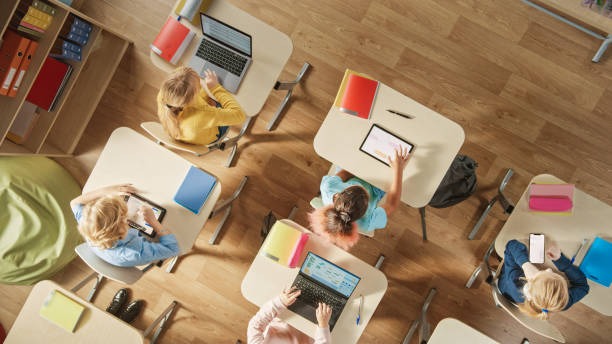
Imagine a classroom where lessons are tailored to fit each student’s unique learning style and pace. AI algorithms can analyze vast amounts of data to identify strengths and weaknesses, allowing educators to customize their teaching approaches. This means that a student struggling with a particular concept can receive additional resources or support tailored specifically to them, while others can advance at their own speed. The result is a more equitable educational experience, where every learner has the opportunity to thrive.
As we embrace this technological shift, it’s essential to consider the role of educators in this new landscape. Far from being replaced by machines, teachers are empowered by AI to focus on what they do best: inspire and nurture. With AI handling administrative tasks such as grading and scheduling, educators can dedicate more time to fostering relationships with their students. This human connection, built on understanding and empathy, remains at the heart of effective teaching. AI can enhance, but it cannot replace the warmth and encouragement that a dedicated teacher brings to the classroom.
Another significant benefit of AI in education is its potential to bridge gaps in access to learning resources. In many parts of the world, educational opportunities are limited by geography, economic status, or societal factors. AI can play a crucial role in democratizing education, providing learners from diverse backgrounds with access to high-quality materials and instruction. Online platforms powered by AI can offer courses and resources that were once out of reach, creating a more level playing field for students everywhere.
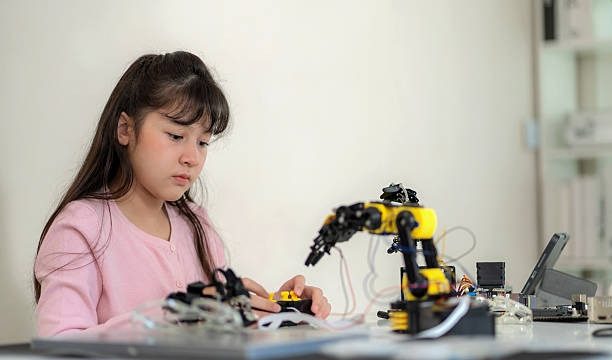
As we navigate this evolving educational landscape, we must also acknowledge the importance of fostering digital literacy among students. While AI offers incredible tools for learning, it also necessitates a deeper understanding of technology. Schools are beginning to integrate coding and digital skills into their curricula, preparing students not only to use AI but to understand its implications. This knowledge empowers young minds to engage critically with technology, ensuring they can navigate the complexities of the digital world with confidence.
In addition to enhancing learning experiences, AI is also making strides in assessment and feedback. Traditional testing methods often fail to capture a student’s true understanding or potential. AI-driven assessment tools can provide immediate feedback, allowing students to learn from their mistakes in real-time. This dynamic approach encourages a growth mindset, where learning is viewed as an ongoing journey rather than a series of pass-or-fail moments. By shifting the focus from grades to progress, AI nurtures a more positive and resilient attitude toward learning.
The integration of AI in education is not without its challenges. Concerns about data privacy, the reliability of AI systems, and the potential for bias must be addressed as we move forward. Ensuring that AI systems are designed ethically and inclusively is paramount. Educators, policymakers, and technologists must work together to establish guidelines that prioritize student welfare while harnessing the benefits of this powerful technology.
As we look ahead, it’s clear that AI will continue to play a pivotal role in shaping the future of education. The potential for personalized learning experiences, enhanced accessibility, and improved teaching methods is immense. However, the heart of education will always remain human. The dialogue between technology and humanity is essential. It is in this balance that we can create a nurturing environment where students not only learn but also grow into compassionate, informed individuals.
In our ever-evolving world, the integration of AI in education invites us to reflect on our collective goals for the future. We should strive for an educational system that not only imparts knowledge but also instills values of empathy, creativity, and critical thinking. As we embrace this new chapter, let us remember that the true essence of learning lies in connection—between students and teachers, ideas and experiences, technology and humanity.
In conclusion, the journey of integrating AI into education is just beginning, yet it holds the promise of a more vibrant and inclusive future. As we adapt to these changes, we must remain committed to nurturing the human spirit that lies at the core of education. By embracing the potential of AI while honoring the invaluable role of educators, we can pave the way for a brighter tomorrow—one where every learner is empowered to reach their fullest potential.