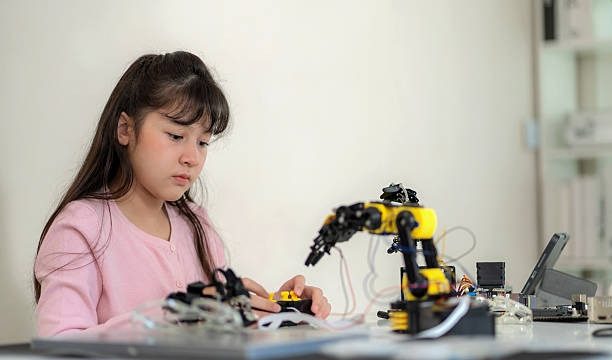
In recent years, technology has woven itself into the fabric of our daily lives, influencing everything from how we communicate to how we learn.
Education, in particular, has been at the forefront of this transformation, with innovative tools and approaches making learning more accessible and engaging than ever before.
As we navigate this evolving landscape, several trends in educational technology are emerging, shaping the future of learning for students, teachers, and institutions alike.
One of the most significant trends is the rise of personalized learning. This approach tailors education to meet the unique needs of each student, acknowledging that everyone learns differently. With the help of adaptive learning technologies, educators can now analyze individual performance data to create customized learning experiences. Imagine a classroom where students progress at their own pace, receiving support when they struggle and challenges when they excel. This shift not only fosters a more inclusive environment but also empowers learners to take ownership of their educational journeys.
As we embrace personalized learning, we also see an increasing emphasis on blended learning models. This hybrid approach combines traditional face-to-face instruction with online learning, offering flexibility and a richer educational experience. Students can engage with digital resources, participate in interactive discussions, and collaborate with peers across the globe, all while benefiting from the guidance of their teachers. This blend of the digital and physical worlds allows for a more dynamic learning experience, catering to various learning styles and preferences.
Another notable trend is the integration of virtual and augmented reality into educational settings. These immersive technologies provide students with opportunities to explore new concepts in a hands-on, engaging manner. Imagine stepping into a virtual science lab, conducting experiments that would be impossible in a traditional classroom, or embarking on a historical journey through time. These experiences not only captivate students’ imaginations but also enhance their understanding of complex subjects by allowing them to visualize and interact with the material.
The importance of soft skills is also gaining recognition in today’s educational landscape. As we prepare students for a rapidly changing world, fostering skills such as collaboration, communication, and critical thinking is essential. EdTech tools are increasingly designed to support the development of these skills. For instance, platforms that promote group projects and peer feedback help students learn how to work effectively with others, while simulations and problem-based learning exercises encourage them to think critically and creatively. By focusing on these essential life skills, we are preparing students not only for academic success but for their futures in the workforce.
In tandem with these trends, the role of data analytics in education is becoming more pronounced. Educators can now leverage data to gain insights into student performance, identify areas for improvement, and tailor interventions accordingly. This data-driven approach allows for timely support, ensuring that no student falls behind. Moreover, institutions can utilize analytics to refine their programs and enhance overall effectiveness, creating a cycle of continuous improvement that benefits everyone involved.
As we explore these trends, it’s important to recognize the growing importance of social and emotional learning (SEL) in the classroom. The past few years have highlighted the need for a holistic approach to education, one that nurtures not only academic skills but also emotional well-being. EdTech solutions are increasingly incorporating SEL components, offering resources and tools that help students develop resilience, empathy, and self-awareness. By prioritizing emotional health, educators are creating supportive environments that foster both personal growth and academic achievement.
A small shift toward balance is also evident in the increasing focus on digital wellness. As technology becomes more integrated into our lives, the need for healthy tech habits is more crucial than ever. Educators and parents alike are recognizing the importance of teaching students how to navigate the digital world mindfully and responsibly. From setting boundaries around screen time to promoting positive online interactions, fostering digital wellness is becoming an essential component of modern education.
Furthermore, the COVID-19 pandemic has accelerated the adoption of online learning platforms, making them a staple in education. While remote learning presented challenges, it also opened doors to innovative teaching methods and resources that may not have been explored otherwise. Today, many educators are embracing a hybrid approach, incorporating online elements into their curricula even as they return to in-person instruction. This flexibility allows for a more diverse range of learning experiences, catering to the needs of all students.
As we look to the future, the role of educators remains vital in this evolving landscape. While technology offers incredible tools and resources, the human touch is irreplaceable. Teachers are not just facilitators of knowledge; they are mentors, guides, and champions for their students. The most effective educational experiences will continue to be those that blend cutting-edge technology with the warmth and empathy that only a dedicated educator can provide.
In conclusion, the EdTech trends shaping education today are a testament to our commitment to creating more engaging, inclusive, and effective learning environments. From personalized learning and blended models to the integration of immersive technologies and a focus on social-emotional well-being, these developments are redefining what it means to learn. As we navigate this exciting journey, it is essential to remain mindful of the balance between technology and the human experience, ensuring that the heart of education remains at the forefront of our efforts. Together, we can cultivate a future where every learner can thrive and succeed in their own unique way.