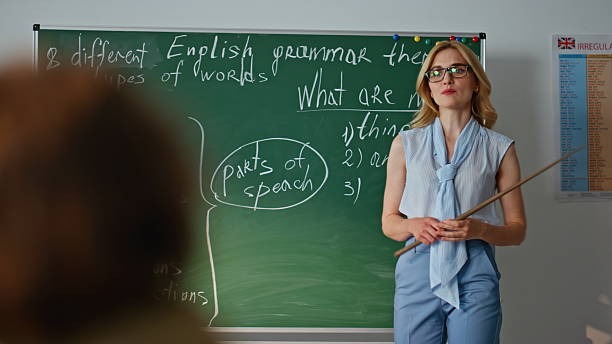
Creating an inclusive classroom is more than just a goal; it’s a journey that enriches the educational experience for both students and teachers.
With the world becoming increasingly diverse, the importance of fostering an environment where every student feels valued and understood cannot be overstated.
This article explores gentle strategies for building inclusive classrooms, ensuring that every child has the opportunity to thrive.
A warm welcome for all
The foundation of an inclusive classroom starts with a warm welcome. From the moment students enter the classroom, they should feel a sense of belonging. This can be achieved through simple gestures, such as greeting each student by name or creating an inviting space filled with diverse images and resources that reflect the varied backgrounds of the students. A classroom that celebrates diversity through decorations, books, and materials can help students feel seen and valued.
It’s essential to create a culture of respect and kindness, where students learn to appreciate each other’s differences. Encouraging open discussions about diversity and inclusion can foster empathy and understanding among classmates. When students learn to appreciate what makes each of them unique, they are more likely to support one another.
Embracing diverse learning styles
Every student has a unique way of learning, and embracing these differences is crucial for creating an inclusive classroom. Understanding that some students may thrive in a visual environment while others excel through auditory or kinesthetic learning can help teachers tailor their approaches. This doesn’t mean overhauling lesson plans; rather, it involves integrating various teaching methods to cater to different learning styles.
Incorporating hands-on activities, visual aids, and group discussions can create a more inclusive atmosphere. By providing multiple avenues for students to engage with the material, teachers allow each child to connect in a way that feels comfortable and meaningful. This approach not only enhances learning but also builds confidence among students, empowering them to express themselves in their unique ways.
Fostering collaboration and teamwork
Collaboration is a cornerstone of an inclusive classroom. By encouraging students to work together on projects, teachers can promote social interaction and understanding. Group work allows students to share their strengths while learning from one another. It’s an opportunity to cultivate teamwork and develop valuable social skills.
When forming groups, consider mixing students with different abilities and backgrounds. This not only enriches the learning experience but also encourages friendships that might not otherwise form. Create an environment where students feel safe to express their thoughts and ideas, knowing that their contributions are valued. Celebrating group achievements can further strengthen these bonds.
Encouraging open communication
Open lines of communication are vital in an inclusive setting. Students should feel comfortable voicing their thoughts, questions, and concerns. Creating a space where students can express themselves without fear of judgment fosters a sense of security. Teachers can facilitate this by actively listening and responding thoughtfully to students’ contributions.
In addition to verbal communication, consider incorporating other forms of expression. Some students may feel more comfortable sharing their ideas through writing, art, or technology. Providing various outlets for communication can help ensure that every student’s voice is heard and appreciated.
Building strong relationships
Building strong relationships with students is at the heart of an inclusive classroom. Taking the time to understand each student’s individual needs, interests, and challenges can make a significant difference in their educational journey. Regular check-ins, whether through informal conversations or structured one-on-one meetings, can help foster these connections.
When students feel that their teachers genuinely care about them, they are more likely to engage in the learning process. Establishing trust can lead to a more supportive environment, where students are willing to take risks and explore new ideas. This relationship-building is a continuous process that requires patience and dedication but pays off in creating a positive and inclusive classroom culture.
Creating a flexible environment
Flexibility is key to accommodating diverse learning needs. An inclusive classroom should be adaptable, allowing for changes based on the needs of the students. This could mean rearranging seating arrangements to foster collaboration, providing alternative assessment methods, or allowing students to choose how they demonstrate their understanding of a topic.
Creating a flexible environment also extends to the curriculum. Incorporating diverse perspectives and materials can help students connect with the content on a deeper level. This approach not only enriches the learning experience but also demonstrates the value of different viewpoints.
Integrating social-emotional learning
Social-emotional learning (SEL) plays a crucial role in fostering an inclusive classroom. Teaching students how to manage their emotions, build relationships, and develop empathy can enhance their overall experience. Incorporating SEL into the curriculum helps students navigate their feelings and understand the importance of supporting one another.
Activities that promote self-awareness and emotional regulation can be seamlessly integrated into daily lessons. Simple practices, such as mindfulness exercises or group discussions about feelings, can create a more compassionate classroom atmosphere. When students learn to understand and manage their emotions, they are better equipped to engage positively with their peers.
Encouraging family involvement
Inclusive classrooms thrive on collaboration beyond the school walls. Engaging families in the educational process can strengthen the sense of community and support for students. Hosting family events, workshops, or informational sessions can help parents and guardians feel more connected to the classroom.
Encouraging families to share their cultural backgrounds and experiences can enrich the learning environment. When families are involved, students are more likely to feel supported and valued, which can lead to improved academic performance and social interactions.
A continuous journey
Creating an inclusive classroom is an ongoing journey that requires reflection, adaptability, and a commitment to growth. It’s essential to regularly assess the classroom environment and seek feedback from students and families. This process can help identify areas for improvement and celebrate successes along the way.
By embracing diversity, fostering collaboration, and nurturing relationships, educators can create a welcoming space where all students have the opportunity to thrive. An inclusive classroom is not just beneficial for students; it enriches the entire educational community, cultivating a culture of respect, understanding, and compassion. As we continue this journey, we can create a brighter future for all learners, one classroom at a time.