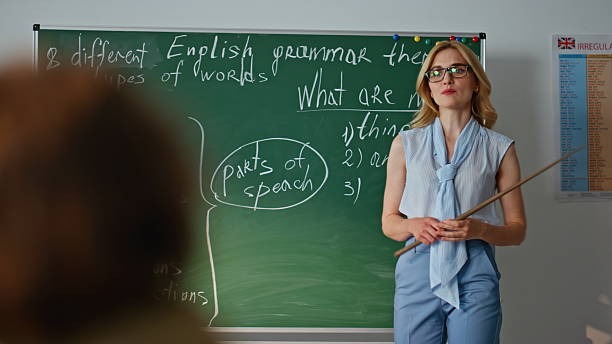
In the heart of every innovative classroom lies a carefully crafted curriculum, one that not only meets educational standards but also nurtures the unique potential of each student.
As educators seek to create dynamic learning environments, the process of curriculum planning becomes an essential part of this journey.
It’s a delicate balance of structure and creativity, ensuring that every child feels engaged, understood, and inspired.
Creating a curriculum for an innovative classroom is akin to designing a beautiful tapestry. Each thread represents a different aspect of learning—academic disciplines, social-emotional skills, and the diverse backgrounds of students. When woven together thoughtfully, these threads create a rich and vibrant educational experience. The goal is to cultivate a space where students are not just passive recipients of information, but active participants in their own learning journey.
A small shift toward balance can make a significant difference in how students engage with the material. Rather than adhering strictly to traditional methods, educators are increasingly exploring project-based learning, experiential activities, and collaborative projects. These approaches encourage students to think critically and creatively, fostering a sense of ownership over their education. By allowing learners to explore topics that resonate with their interests, educators can ignite a passion for knowledge that extends beyond the classroom walls.
At the core of innovative curriculum planning is the understanding that learning is not a one-size-fits-all process. Each student brings their own unique experiences, strengths, and challenges. This diversity is a powerful asset, and it is essential for educators to embrace it. Differentiation—tailoring instruction to meet the varied needs of students—becomes a key strategy in this process. When students feel seen and valued, their motivation to learn flourishes.
Incorporating technology into the curriculum also plays a pivotal role in fostering innovation. In today’s digital age, students are growing up in a world where technology is an integral part of daily life. By integrating digital tools and resources into lessons, educators can create an engaging and relevant learning experience. Whether it’s using interactive simulations, virtual field trips, or collaborative online platforms, technology can enhance understanding and spark curiosity. It’s about finding the right balance between screen time and hands-on activities, creating a harmonious blend that keeps students engaged.
Equally important is the emphasis on social-emotional learning (SEL). In an innovative classroom, the focus extends beyond academic achievement. Educators are recognizing the importance of developing emotional intelligence, resilience, and interpersonal skills. Integrating SEL into the curriculum helps students navigate their feelings, build healthy relationships, and develop a sense of empathy. When students feel emotionally supported, they are better equipped to tackle challenges and embrace new learning opportunities.
Creating a supportive classroom culture is also a vital component of effective curriculum planning. Establishing a safe space where students feel comfortable expressing themselves fosters collaboration and risk-taking. Encouraging open dialogue and active participation can lead to deeper understanding and connection among peers. When students feel that their voices are valued, they are more likely to contribute meaningfully to discussions and projects.
As educators plan their curriculum, it’s essential to remain flexible and open to change. The world is constantly evolving, and so are the needs of students. By staying attuned to emerging trends in education and seeking feedback from students and parents, educators can adapt their approaches to ensure relevance and effectiveness. It’s about cultivating a mindset of continuous improvement, where innovation becomes a natural part of the educational process.
A collaborative approach to curriculum planning can also enhance the innovative spirit of the classroom. Teachers, administrators, and even students can come together to share ideas and insights. This collaborative energy can lead to the development of interdisciplinary projects that connect different subjects and encourage critical thinking. When educators work together, they can inspire one another and create a richer learning experience for their students.
Moreover, community involvement can significantly enrich the curriculum. By integrating local resources, such as museums, businesses, and cultural organizations, educators can provide students with real-world connections to their learning. Field trips, guest speakers, and community service projects can enhance understanding and provide practical applications for classroom concepts. This connection to the community helps students see the relevance of their education and fosters a sense of belonging.
Ultimately, curriculum planning for innovative classrooms is about nurturing a love of learning. It’s about creating environments where students feel safe to explore, ask questions, and take risks. When educators prioritize creativity, collaboration, and emotional well-being, they set the stage for students to thrive academically and personally.
As we look toward the future of education, let us remember that the heart of curriculum planning lies in the relationships we build and the experiences we create. By embracing innovation with a thoughtful approach, we can inspire the next generation of thinkers, creators, and leaders. It’s a beautiful journey, one that promises growth and discovery for both students and educators alike.
In this ever-evolving landscape, the possibilities are endless. Each classroom can become a sanctuary of curiosity and exploration, where every student’s unique voice contributes to the collective symphony of learning. By fostering an environment that values creativity, connection, and compassion, we pave the way for a brighter, more innovative future.