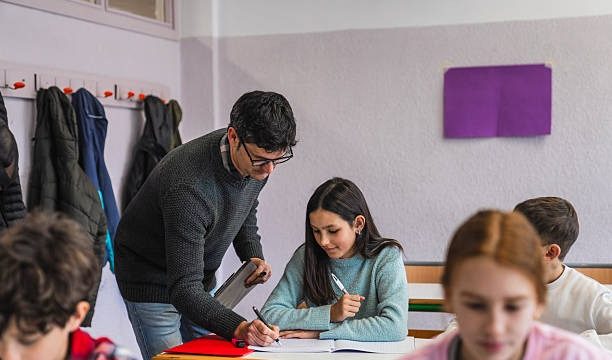
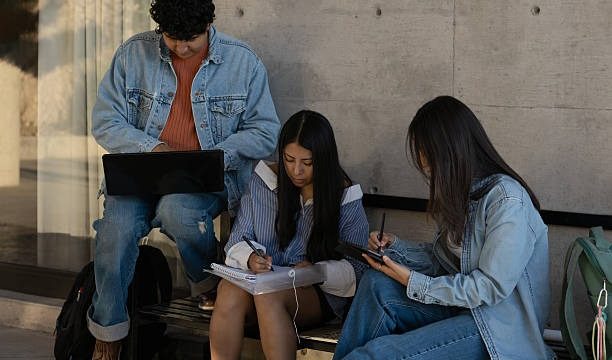
In today’s fast-paced world, the concept of education often brings to mind images of bustling college campuses filled with eager students.
College education is more than just a rite of passage; it serves as a gateway to lifelong opportunities.
The journey through higher education can shape not only our careers but also our perspectives on life, relationships, and personal growth.
A college education is not just about acquiring knowledge in a specific field.
It opens doors to a myriad of experiences that can profoundly influence our lives. The friendships formed during these years often blossom into lifelong connections, creating a network of support and collaboration that can be invaluable in both personal and professional realms. These relationships are built on shared experiences, late-night study sessions, and a common quest for knowledge, creating bonds that often last well beyond graduation.
As we navigate through college, we are exposed to diverse ideas and cultures. This melting pot of perspectives encourages us to think critically and develop our own viewpoints. Engaging with peers from different backgrounds fosters a sense of empathy and understanding, qualities that are essential in today’s interconnected society. The ability to communicate and collaborate with people from various walks of life is a skill that extends far beyond the classroom. It prepares us to work effectively in teams, whether in corporate settings or community initiatives, allowing us to contribute positively to the world around us.
Another significant aspect of college education is the development of essential life skills. Time management, self-discipline, and problem-solving are just a few of the competencies that students cultivate during their academic journey. Balancing coursework, extracurricular activities, and social engagements requires a level of organization and commitment that can be challenging but ultimately rewarding. These skills are not only beneficial in the workplace but also in personal life, helping us navigate the complexities of adult responsibilities with greater ease.
The pursuit of a college degree also ignites a passion for lifelong learning. In an age where information is constantly evolving, the ability to adapt and seek knowledge becomes paramount. College instills a curiosity that encourages us to continue exploring new ideas and areas of interest long after we leave campus. This thirst for knowledge can lead to unexpected opportunities, whether it’s a career change, a new hobby, or a volunteer role that enriches our lives.
As we consider the financial implications of a college education, it’s essential to recognize it as an investment in our future. While the cost of tuition can be daunting, the potential returns often outweigh the initial expenses. Graduates tend to have higher earning potential and increased job stability compared to those without a degree. Moreover, many employers seek candidates who possess not only the technical skills but also the critical thinking and interpersonal abilities that are honed during college. This demand for well-rounded individuals can open doors to exciting job opportunities that might have otherwise remained closed.
A small shift toward balance is necessary when discussing the role of college education in our lives. It’s easy to become consumed by the pursuit of grades and accolades, but it’s crucial to remember that education is a holistic experience. Engaging in extracurricular activities, internships, and community service can enhance our college experience, providing real-world applications for the knowledge we gain in the classroom. These experiences enrich our resumes and contribute to our personal growth, helping us become well-rounded individuals ready to tackle the challenges of the world.
Moreover, the benefits of a college education extend beyond individual success. As graduates enter the workforce, they contribute to the economy and society as a whole. Educated individuals are more likely to engage in civic activities, volunteer their time, and support local communities. This collective engagement fosters a sense of responsibility and encourages positive change, creating a ripple effect that can uplift entire communities. Investing in education is not just about personal gain; it is a commitment to the betterment of society.
While the traditional college experience is valuable, it’s important to acknowledge that education comes in many forms. Online courses, workshops, and vocational training offer alternative pathways to gaining knowledge and skills. These options can be particularly appealing for those who may not have the opportunity to attend a four-year institution. The essence of lifelong learning is not confined to a specific setting; it’s about embracing the journey of growth, wherever it may lead.
In conclusion, a college education is a multifaceted experience that lays the groundwork for lifelong opportunities. It nurtures relationships, cultivates essential skills, and fosters a passion for learning that transcends the classroom. As we reflect on our educational journeys, let us embrace the lessons learned and the connections made along the way. Whether we find ourselves in the heart of a bustling campus or exploring new avenues of learning, the pursuit of knowledge is a lifelong adventure, filled with endless possibilities. The key is to remain open to these opportunities and to cherish the experiences that shape us into the individuals we aspire to be.