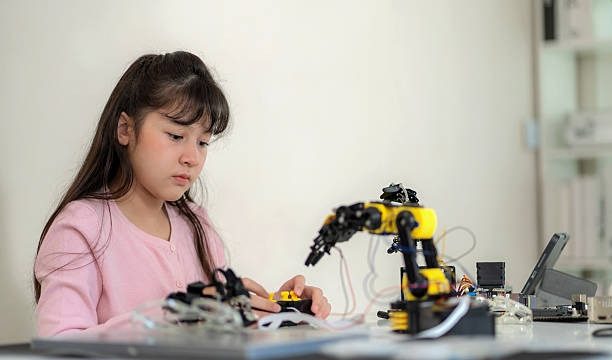
In our ever-evolving world, engineering innovation stands as a beacon of hope and progress.
It’s not just about grand structures or advanced technologies; it’s about the small, thoughtful changes that enhance our daily lives.
As we navigate through this dynamic landscape, let’s take a moment to appreciate the gentle art of engineering innovation and how it can shape our future in meaningful ways.
A gentle exploration of creativity and practicality
At its core, engineering innovation is a beautiful blend of creativity and practicality. It’s the spark that ignites new ideas, bringing together diverse fields such as science, technology, and design. Imagine a world where our homes are not only shelters but also active participants in our lives—homes that adapt to our needs and respond to the environment. This is where the magic of engineering comes into play.
Think about the last time you marveled at a piece of technology or a clever design. Perhaps it was a smartphone that simplifies communication or a kitchen gadget that makes cooking a joy. These innovations often begin as a simple idea, nurtured by curious minds eager to solve problems. This process of turning dreams into reality is what makes engineering such a fascinating field.
The beauty of collaboration
One of the most heartening aspects of engineering innovation is the emphasis on collaboration. Engineers often work hand in hand with designers, scientists, and even end-users to create solutions that are not only functional but also aesthetically pleasing. This spirit of teamwork fosters an environment where ideas can flourish, leading to breakthroughs that might not have been possible in isolation.
Consider the development of renewable energy technologies. Engineers collaborate with environmental scientists to create solutions that harness natural resources like wind and sunlight. This partnership not only addresses the pressing issue of climate change but also paves the way for a more sustainable future. Such examples remind us that innovation is often a collective effort, a tapestry woven from diverse threads of knowledge and experience.
A small shift toward balance
As we reflect on the impact of engineering innovation, it’s essential to recognize the balance it seeks to achieve. This balance is not just between functionality and aesthetics but also between human needs and the environment. Engineers are increasingly aware of their role in creating a sustainable future, striving to design products and systems that minimize harm to our planet while enhancing our quality of life.
For instance, consider the rise of smart cities, where technology is integrated into the urban fabric to improve livability. These cities prioritize public transportation, green spaces, and energy-efficient buildings. They are designed with the well-being of their inhabitants in mind, showcasing how engineering can contribute to a more harmonious existence.
Embracing the future with open arms
As we move forward, it’s exciting to think about the future of engineering innovation. Emerging technologies such as artificial intelligence, robotics, and biotechnology hold great promise. They offer solutions to complex challenges, from healthcare advancements to efficient resource management. However, with these advancements come responsibilities. Engineers must navigate ethical considerations and ensure that their innovations serve the greater good.
This is where the importance of education and awareness comes into play. By fostering an understanding of engineering principles among the general public, we can cultivate a society that appreciates and engages with innovation. Encouraging curiosity and critical thinking in young minds will inspire the next generation of engineers to dream big and innovate responsibly.
Finding joy in the process
While the end result of engineering innovation is often celebrated, it’s crucial to acknowledge the journey that leads to these breakthroughs. The process of brainstorming, prototyping, and refining ideas can be both challenging and rewarding. Embracing this journey allows engineers to learn from failures and successes alike, cultivating resilience and adaptability.
This perspective can also be applied to our personal lives. Just as engineers iterate on their designs, we can approach our challenges with a willingness to adapt and grow. Whether it’s learning a new skill or navigating a career change, embracing the journey can lead to unexpected joys and discoveries.
A call to curiosity
In a world that sometimes feels driven by rapid change, taking the time to nurture our curiosity can be incredibly rewarding. Engineering innovation teaches us that asking questions and exploring new ideas is a vital part of progress. By fostering a sense of wonder about the world around us, we can open ourselves to new possibilities.
Consider engaging with local engineering projects or attending community workshops. These opportunities can provide insights into the innovative processes that shape our environments. It’s a chance to connect with others who share a passion for creativity and problem-solving, fostering a sense of community around innovation.
The heart of engineering innovation
Ultimately, engineering innovation is about more than just technology and design; it’s about people. It’s about understanding the needs and desires of individuals and communities and responding with thoughtful solutions. As we continue to innovate, let’s keep the human element at the forefront, ensuring that our creations enhance lives and foster connections.
As we look to the future, let us embrace the spirit of engineering innovation with open hearts and minds. By celebrating creativity, collaboration, and the joy of discovery, we can create a world where innovation thrives and enriches our lives in profound ways. In this journey, every small step toward progress is a testament to the power of human ingenuity and the potential for a brighter tomorrow.