In a world that is ever-evolving, engineering stands as a beacon of innovation and possibility.
The future shaped by engineering vision is not just a distant concept; it’s a tangible reality that influences our daily lives and the way we experience the world around us.
As we delve deeper into the intricacies of engineering, we find ourselves at the intersection of creativity, technology, and sustainability, all of which together paint a vibrant picture of what lies ahead.
A gentle shift toward sustainability
One of the most profound changes in the engineering landscape is the shift toward sustainable practices. As we grapple with the effects of climate change, engineers are stepping up to create solutions that not only benefit society but also the environment. The future of engineering is increasingly focused on renewable energy, energy-efficient buildings, and sustainable materials. This shift is not just about reducing harm; it’s about fostering a harmonious relationship between humanity and the planet.
Imagine a city powered entirely by renewable energy sources, where buildings are designed to harness the sun’s power and minimize waste. This vision is not far-fetched. Engineers are already developing smart grids that efficiently distribute energy and reduce consumption. These innovations are paving the way for a future where our ecological footprint is lighter and our cities are greener.
The role of technology in everyday life
As we look ahead, technology plays a pivotal role in shaping our lives. The integration of advanced technology into engineering practices opens doors to possibilities we once only dreamed of. From artificial intelligence to robotics, these tools are enhancing our ability to solve complex problems.
Consider the impact of smart homes, where technology seamlessly integrates into our daily routines. Imagine waking up to a home that adjusts its temperature based on your preferences, or a kitchen that helps you prepare healthy meals while minimizing waste. These innovations are not just conveniences; they are reflections of a future where engineering enhances our quality of life.
The beauty of collaboration
Engineering is inherently collaborative. It thrives on the exchange of ideas and the fusion of diverse perspectives. As we embrace the future, interdisciplinary collaboration will become even more crucial. Engineers will work alongside artists, designers, scientists, and community leaders to create solutions that resonate on multiple levels.
This collaborative spirit fosters innovation that is not only functional but also beautiful. Cities will be designed as spaces for connection and creativity, where parks and gathering places coexist with cutting-edge technology. The future of engineering is about building not just structures but communities that inspire and uplift.
A mindful approach to innovation
As we forge ahead, a mindful approach to innovation is essential. Engineers are increasingly recognizing the importance of considering the human experience in their designs. This means creating solutions that are user-friendly, accessible, and inclusive. A future shaped by engineering vision will prioritize the needs and desires of individuals while also considering the broader societal impact.
Imagine a transportation system that not only gets you from point A to point B but also offers a pleasant and stress-free experience. Engineers are exploring ways to enhance public transit, making it more reliable and enjoyable. This holistic approach to design acknowledges that the user experience is paramount in creating sustainable and effective solutions.
Cultivating future leaders
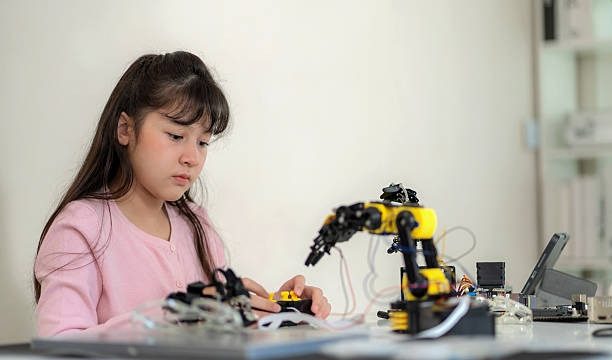
As we look forward, it’s vital to inspire the next generation of engineers. Education plays a crucial role in shaping the minds that will design our future. By fostering creativity and critical thinking in young people, we can cultivate leaders who are equipped to tackle the challenges ahead.
Engaging students in hands-on projects, encouraging collaboration, and promoting a love for science and technology will lay the groundwork for a future filled with possibilities. When we nurture curiosity and passion in the classroom, we empower future engineers to dream big and turn their visions into reality.
The importance of ethical considerations
In a rapidly advancing world, ethical considerations must remain at the forefront of engineering practices. As technology evolves, so do the challenges associated with it. Engineers must navigate issues related to data privacy, environmental impact, and social equity. A future shaped by engineering vision will prioritize ethical decision-making, ensuring that innovations benefit all members of society.
This commitment to ethics encourages transparency and accountability, fostering trust between engineers and the communities they serve. By prioritizing ethical considerations, we can create a future where technology enhances lives without compromising our values.
A hopeful outlook
As we reflect on the future shaped by engineering vision, it’s clear that the possibilities are limitless. We stand at a crossroads where creativity, technology, and sustainability converge to create a brighter future. Each innovation carries the promise of improving our lives, fostering connections, and nurturing our planet.
The journey ahead is not without challenges, but with a collective commitment to collaboration, sustainability, and ethical practices, we can navigate the complexities of tomorrow. The engineers of today are not just builders; they are visionaries, dreamers, and stewards of a better world.
In this ever-evolving landscape, let us embrace the potential that engineering holds. By fostering a culture of innovation and sustainability, we can shape a future that reflects our highest ideals—a future where technology serves humanity, and creativity knows no bounds. As we step into this new era, let us carry the vision of a harmonious world, crafted by the hands of engineers who dare to dream and build for generations to come.