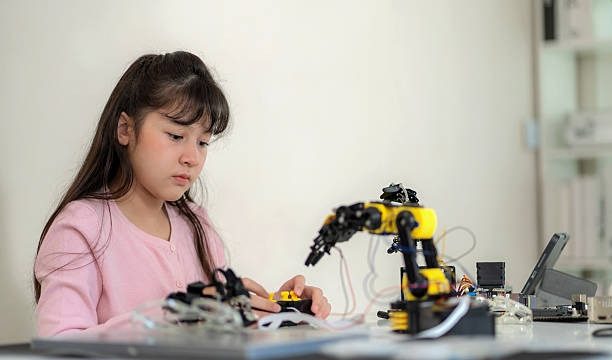
In a world that thrives on progress and change, engineering stands as a cornerstone of innovation.
It is the quiet force that transforms ideas into reality, bridging the gap between dreams and tangible solutions.
From the devices we hold in our hands to the infrastructure that supports our daily lives, engineering is intricately woven into the fabric of modern society.
Every day, we are greeted with advancements that enhance our quality of life, often without even realizing the extensive engineering efforts behind them. The beauty of engineering lies not just in its ability to solve problems but in its capacity to inspire creativity and foster collaboration. This unique blend of science, technology, and art creates pathways for innovation that shape our future.
The role of engineers extends far beyond the technical aspects of their work. They are dreamers and visionaries who see potential where others may see obstacles. By understanding the needs of society, they develop solutions that are not only functional but also sustainable and aesthetically pleasing. This holistic approach ensures that innovation does not occur in isolation but is integrated into the broader context of human experience.
As we navigate the complexities of today’s challenges, such as climate change, health crises, and urbanization, the need for innovative engineering solutions becomes increasingly evident. Engineers are at the forefront of creating sustainable technologies that minimize environmental impact while maximizing efficiency. The shift towards renewable energy sources, like solar and wind power, exemplifies how engineering can lead to a more sustainable future. These advancements not only address immediate needs but also pave the way for a healthier planet for generations to come.
One of the most exciting aspects of engineering is its interdisciplinary nature. It draws from various fields, including physics, mathematics, and even social sciences, to create comprehensive solutions. This blend of expertise fosters a collaborative spirit that brings together diverse minds to tackle complex problems. In this way, engineering becomes a melting pot of ideas, where innovation flourishes through dialogue and teamwork.
Consider the development of smart cities, a concept that has gained traction in recent years. Engineers are working alongside urban planners, environmentalists, and community leaders to create urban environments that are not only efficient but also enhance the quality of life for residents. By integrating technology into city infrastructure, they are crafting spaces that prioritize sustainability, accessibility, and connectivity. This collaborative effort signifies a shift towards a more integrated approach to urban living, where innovation is driven by the needs of the community.
A small shift toward balance can be seen in the way engineering is evolving to prioritize user experience. No longer is it enough for a product to simply function; it must also resonate with its users on an emotional level. This shift has led to the rise of user-centered design, where engineers work closely with designers and end-users to create products that are intuitive and enjoyable to use. By focusing on the human experience, engineering is not just about efficiency and functionality; it is about enhancing lives.
As we delve deeper into the digital age, the intersection of engineering and technology continues to expand. The rise of artificial intelligence, robotics, and the Internet of Things is reshaping industries and redefining possibilities. Engineers are harnessing these technologies to create smart solutions that streamline processes and improve efficiency. For instance, in healthcare, engineers are developing wearable devices that monitor health metrics in real time, providing valuable insights that empower individuals to take charge of their well-being. This convergence of engineering and technology is not only driving innovation but also fostering a sense of agency among users.
Moreover, engineering education is evolving to reflect these changes. Institutions are increasingly emphasizing hands-on experience, encouraging students to engage in projects that address real-world challenges. This experiential learning fosters critical thinking and problem-solving skills, equipping the next generation of engineers with the tools they need to drive innovation forward. By nurturing creativity and collaboration, educational programs are laying the groundwork for a future filled with limitless possibilities.
As we reflect on the myriad ways engineering influences our lives, it becomes clear that it is a vital part of our collective journey toward progress. It reminds us that innovation is not a solitary endeavor but a collaborative effort that thrives on diverse perspectives. Engineers, with their unique blend of technical expertise and creative problem-solving, play a crucial role in shaping the future.
In this ever-evolving landscape, it is essential to recognize and celebrate the contributions of engineers who dedicate their lives to making the world a better place. Their commitment to innovation, sustainability, and user-centric design serves as an inspiration to us all. It encourages us to embrace change, think critically, and engage with the world around us.
In conclusion, engineering remains at the heart of innovation, driving progress and enhancing our daily lives. Its impact is felt in every corner of society, from the technology we use to the cities we inhabit. As we look to the future, let us continue to support and uplift the engineers who are shaping our world, fostering a spirit of collaboration and creativity that will guide us toward a brighter tomorrow.