In a world where one-size-fits-all approaches often fall short, the rise of personalized learning has ushered in a new era of education. This approach recognizes that every learner is unique, with their own interests, strengths, and challenges. As technology continues to evolve, it has become a powerful ally in supporting this tailored educational experience. Let’s explore the gentle yet profound ways that technology is reshaping how we learn, making it more personal and engaging than ever before.
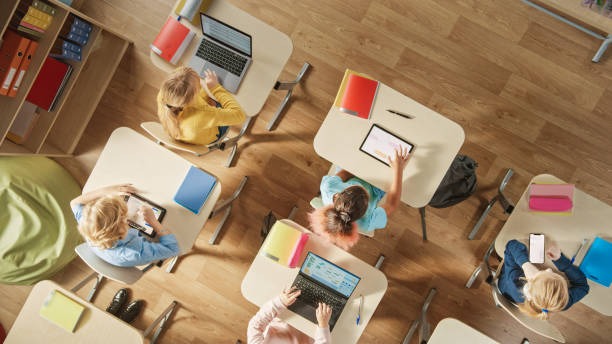
The beauty of personalized learning lies in its adaptability. Traditional educational methods can sometimes overlook individual needs, but with technology, educators can create customized learning paths that resonate with each student. Learning management systems (LMS) have become essential tools in this journey. These platforms allow teachers to track progress, assign tailored resources, and adjust curricula based on real-time data. Imagine a classroom where each student is not just a number but an individual with a unique learning journey. This shift helps foster a deeper connection between students and their studies, enhancing motivation and engagement.
A small shift toward balance can be seen through the integration of adaptive learning technologies. These intelligent systems assess a learner’s knowledge and skills, adjusting the difficulty of the material in real time. Instead of feeling overwhelmed or bored, students can engage with content that is just right for their current level of understanding. This responsive nature of adaptive learning platforms encourages students to take ownership of their education. They can progress at their own pace, allowing for a more fulfilling learning experience that can lead to greater retention and mastery of subjects.
Another exciting development in personalized learning is the rise of artificial intelligence (AI). AI-driven applications can analyze student interactions and provide insights that help educators tailor their instruction. By understanding the preferences and performance of each student, teachers can offer targeted support and resources. This personalized approach not only enhances academic success but also builds confidence. When students feel understood and supported, they are more likely to embrace challenges and explore new areas of interest.
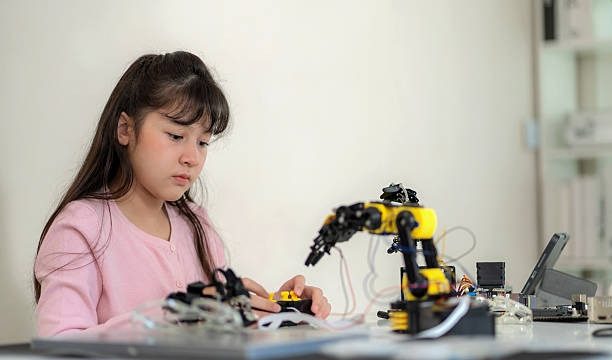
Technology also opens doors to a wealth of resources beyond the traditional classroom. With the internet at their fingertips, students can access a vast array of learning materials, from online courses to video tutorials and interactive simulations. This abundance of information allows learners to delve deeper into topics that captivate them. Whether it’s a budding artist exploring digital painting or a curious scientist conducting virtual experiments, technology empowers students to take charge of their learning journey.
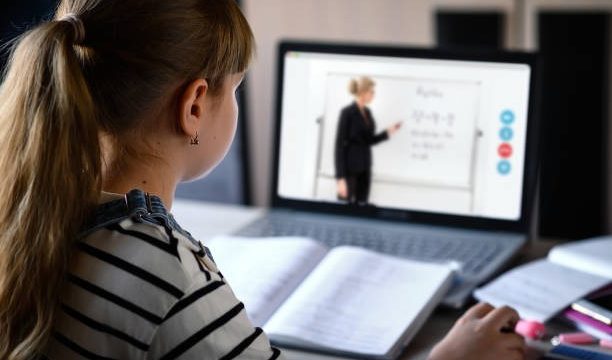
The social aspect of learning is another area where technology shines. Collaborative tools enable students to connect with peers and educators from around the globe. Virtual classrooms and discussion forums create opportunities for diverse perspectives and shared knowledge. This sense of community can be particularly beneficial for learners who thrive on interaction and collaboration. By engaging with others, students can enhance their understanding and develop essential skills for the future.
In addition to fostering collaboration, technology can also support self-directed learning. Digital platforms that encourage goal-setting and self-assessment allow learners to track their own progress. This reflective practice can be incredibly empowering, as students gain insight into their learning habits and preferences. With the ability to set personal goals and celebrate achievements, learners develop a sense of agency that can extend beyond the classroom.
The role of gamification in personalized learning is another fascinating aspect worth exploring. By incorporating game-like elements into educational content, technology can transform learning into an engaging experience. Points, badges, and leaderboards motivate students to participate actively and strive for improvement. This playful approach not only makes learning enjoyable but also encourages a growth mindset, where challenges are seen as opportunities for growth rather than obstacles.
As we embrace the potential of technology in education, it’s essential to consider the balance between screen time and traditional learning methods. While digital tools can enhance personalized learning, they should complement, not replace, face-to-face interactions and hands-on experiences. A blended approach that incorporates both technology and personal connection can provide a holistic educational experience that nurtures the mind and spirit.
Looking ahead, the future of personalized learning is bright. As technology continues to advance, we can expect even more innovative solutions that cater to the diverse needs of learners. From virtual reality experiences that transport students to historical events to AI tutors that provide instant feedback, the possibilities are limitless. The key will be to harness these tools thoughtfully, ensuring that they enrich the learning experience rather than overwhelm it.
In this journey toward personalized learning, it’s important to remember that technology is not a replacement for the human touch. Educators play a vital role in guiding and supporting students as they navigate their unique paths. The combination of technology and compassionate teaching can create an environment where every learner feels valued and empowered.
Ultimately, the goal of personalized learning is to cultivate a love for learning that lasts a lifetime. By leveraging technology in thoughtful ways, we can create educational experiences that resonate with each individual, allowing them to flourish in their own unique way. As we continue to explore the intersection of technology and education, let us embrace the opportunities that lie ahead, fostering a generation of curious, confident, and engaged learners.