In recent years, the landscape of education has transformed dramatically.
With technology becoming an integral part of our lives, the classroom experience is evolving to embrace digital tools that enhance learning.
EdTech tools are no longer just adjuncts to traditional teaching; they are essential components that help educators engage students of all ages in meaningful ways.
From kindergarteners to high school seniors, there’s a world of technology that can support and enrich the educational journey.
A gentle introduction to EdTech
As education adapts to the needs of modern learners, it’s important to recognize that EdTech tools come in many shapes and sizes. They cater to different age groups, learning styles, and subjects. For younger students, the focus is often on foundational skills, while older students may delve into more complex concepts, preparing them for the challenges of higher education and the workforce.
For the youngest learners, technology can serve as a bridge to foundational skills. Early childhood education thrives on interactive learning experiences that engage young minds. Tools like educational apps and games can make learning fun and engaging, allowing children to explore numbers, letters, and shapes in an environment that feels playful rather than formal. These tools often incorporate bright colors, sounds, and interactive elements to capture the attention of little ones.
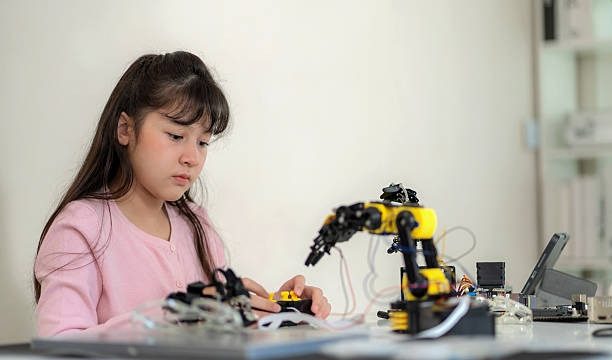
Transitioning to elementary education, students begin to develop critical thinking and problem-solving skills. Here, EdTech tools can provide a unique platform for collaboration. Platforms that allow for group projects and peer feedback can cultivate teamwork and communication skills. This age group can benefit from resources that blend learning with creativity, such as digital storytelling apps or coding platforms that encourage experimentation. These tools foster a sense of accomplishment as children see their ideas take shape in the digital realm.
Building upon the foundation
As students move into middle school, their educational needs evolve. This is often a time when learners are encouraged to take more ownership of their studies. EdTech tools can support this transition by offering personalized learning experiences. Adaptive learning platforms adjust the difficulty of tasks based on each student’s performance, ensuring that everyone can progress at their own pace. This tailored approach not only helps students grasp challenging concepts but also builds their confidence.
Moreover, middle schoolers are often exploring their interests more deeply. EdTech tools that allow for project-based learning can ignite curiosity and foster a love for discovery. Whether it’s using a platform to create a presentation on a historical event or engaging in virtual experiments in science, technology can provide a rich backdrop for exploration. These tools not only enhance subject matter understanding but also nurture skills like research, analysis, and presentation.
Embracing high school challenges
As students enter high school, the focus shifts toward preparing for life beyond school. At this stage, EdTech tools can play a crucial role in helping students develop skills that are essential for college and career readiness. Online learning platforms offer courses that may not be available in their schools, allowing students to explore subjects like computer science or advanced mathematics. This flexibility empowers students to pursue their passions and potentially discover new career paths.
In addition to content knowledge, high schoolers can benefit from tools that bolster organizational skills. Apps that assist with time management, project planning, and collaboration can help students balance their academic responsibilities with extracurricular activities. These tools can also facilitate communication between teachers and students, fostering a supportive learning environment where questions and feedback can flow freely.
Finding balance in digital learning
While EdTech tools offer countless benefits, it’s essential to strike a balance between technology and traditional learning methods. Encouraging students to engage with both digital and tactile experiences can lead to a more holistic educational journey. For instance, while digital platforms can provide instant feedback and resources, hands-on activities and face-to-face interactions remain invaluable.
Creating a harmonious blend of EdTech and traditional learning approaches allows students to develop both digital literacy and interpersonal skills. This is particularly important as they prepare to navigate a world where technology is ubiquitous. Teachers and parents can work together to ensure that technology enhances rather than detracts from the learning experience.
The journey ahead
As we look to the future of education, the role of EdTech tools will continue to expand. Innovations in artificial intelligence, virtual reality, and gamification are just a few examples of how technology can further enrich the educational landscape. However, it’s important to approach these advancements with a discerning eye. Not every tool will be suitable for every student, and it’s crucial to evaluate the effectiveness and engagement level of any new resource.
Ultimately, the goal of integrating technology into education is to create a more engaging, personalized, and effective learning experience for students of all ages. By embracing the right tools, educators can inspire a love for learning that lasts a lifetime. As we navigate this evolving landscape, let’s remember that technology is a means to an end—a way to enhance the incredible journey of education.
In this ever-changing world, the key is to remain adaptable and open-minded. With a thoughtful approach to integrating EdTech tools, educators, parents, and students can work together to create a nurturing environment that fosters growth, creativity, and lifelong learning. By supporting each other and embracing the possibilities that technology offers, we can ensure that education remains a vibrant and enriching experience for generations to come.