In the nurturing world of education, teachers play a pivotal role in shaping young minds.
They are not just facilitators of knowledge; they are mentors, guides, and sometimes, a beacon of hope for their students.
To achieve this, having the right materials at hand can make all the difference.
Teacher materials for enhanced instruction go beyond textbooks and worksheets; they encompass a wide range of resources that inspire creativity, foster engagement, and promote a holistic learning experience.
Creating a vibrant classroom environment often starts with the tools educators choose to employ. From colorful charts that bring subjects to life to interactive digital platforms that encourage collaborative learning, the options are endless. The beauty of these materials lies in their ability to cater to diverse learning styles, ensuring that every student feels included and valued.
One of the most enriching resources available to teachers today is multimedia content. Videos, podcasts, and interactive simulations can transform traditional lessons into immersive experiences. Imagine a history lesson where students can virtually explore ancient civilizations or a science class that allows them to observe real-time experiments through live feeds. These materials not only captivate students’ attention but also make concepts more relatable and easier to grasp.
Additionally, incorporating literature into the curriculum is a fantastic way to enhance instruction. Books, poetry, and stories can transport students to different worlds, allowing them to explore various cultures, perspectives, and emotions. When teachers thoughtfully select literature that resonates with their students, they open doors to meaningful discussions and critical thinking. This not only enriches the learning experience but also helps students develop empathy and understanding for others.
As we navigate through the complexities of modern education, the importance of social-emotional learning cannot be overstated. Resources that promote emotional intelligence, conflict resolution, and mindfulness can foster a positive classroom atmosphere. Materials such as guided journals, emotional check-in cards, and mindfulness exercises can empower students to express their feelings and build resilience. When students feel emotionally supported, they are more likely to engage in their learning and take risks in their educational journey.
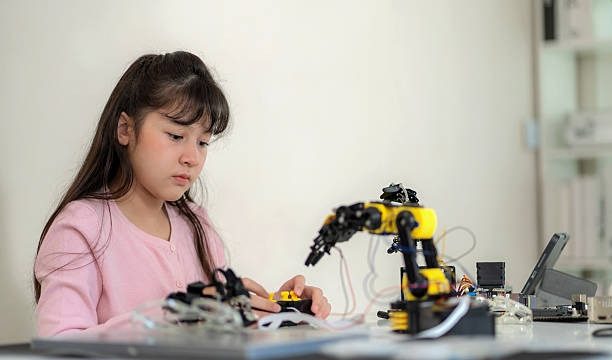
A small shift toward balance can also be achieved through the integration of hands-on activities. Craft projects, experiments, and interactive games not only make learning enjoyable but also reinforce key concepts. These activities encourage teamwork and communication among students, helping to build a sense of community within the classroom. When students collaborate, they learn to appreciate each other’s strengths and perspectives, fostering a more inclusive environment.
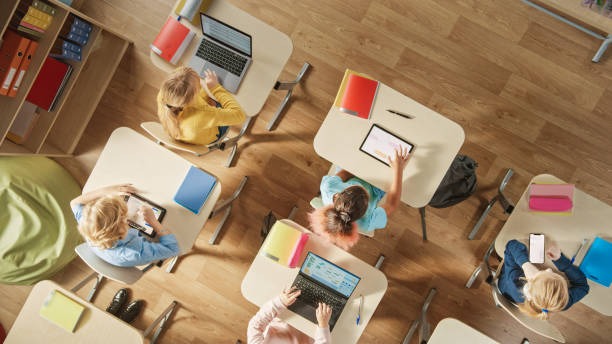
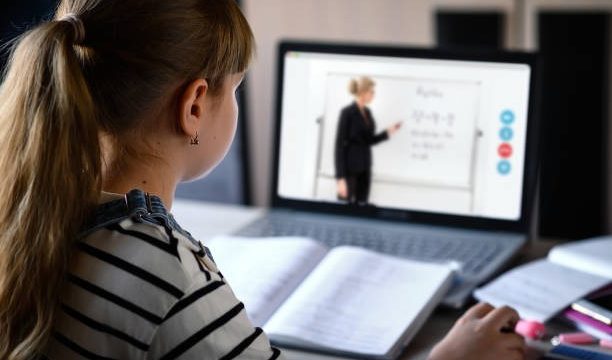
Technology, too, has revolutionized the way teachers approach instruction. Online platforms provide a wealth of resources, from lesson plans to assessment tools, making it easier for educators to tailor their teaching methods to meet the needs of their students. Virtual classrooms can connect students with experts from around the globe, offering insights and experiences that would otherwise be inaccessible. This access to diverse perspectives enriches discussions and encourages a broader understanding of various subjects.
As we consider the role of teacher materials in enhancing instruction, it’s essential to recognize the power of community. Educators can benefit immensely from collaborating with one another, sharing resources, and exchanging ideas. Professional development workshops, online forums, and local teacher networks offer invaluable opportunities for growth and inspiration. When teachers come together to support one another, they create a culture of continuous learning that ultimately benefits their students.
In the quest to provide the best possible education, it’s equally important to remember the significance of self-care for educators. Teaching can be demanding, and the emotional labor involved can sometimes lead to burnout. By incorporating materials that encourage relaxation and reflection, teachers can foster a sense of balance in their own lives. Whether it’s a calming corner in the classroom with soothing visuals or a resource kit filled with stress-relief techniques, prioritizing self-care can enhance a teacher’s ability to connect with their students.
Moreover, the physical environment of the classroom plays a crucial role in enhancing instruction. Thoughtfully designed spaces that are inviting and conducive to learning can inspire creativity and focus. Consider incorporating flexible seating arrangements, natural light, and vibrant decor to create a warm atmosphere. When students feel comfortable in their surroundings, they are more likely to engage with the material and participate actively in discussions.
As we reflect on the myriad of teacher materials available, it’s clear that the goal is not just to fill a classroom with resources but to create a dynamic learning environment that nurtures curiosity and growth. Each material chosen should serve a purpose, whether it’s sparking interest, fostering collaboration, or supporting emotional well-being.
Ultimately, the journey of teaching is a shared adventure between educators and their students. By embracing a diverse array of instructional materials and fostering a supportive community, teachers can create an environment where every student feels empowered to explore, learn, and thrive. In this ever-evolving landscape of education, the possibilities are limitless, and with the right tools at their disposal, teachers can continue to inspire generations to come.
In the end, enhancing instruction is a collective effort that requires creativity, compassion, and a commitment to nurturing the whole child. As educators, the materials we choose can set the stage for transformative experiences that resonate far beyond the classroom walls. It is this commitment to fostering a love of learning that ultimately shapes the future, one student at a time.